
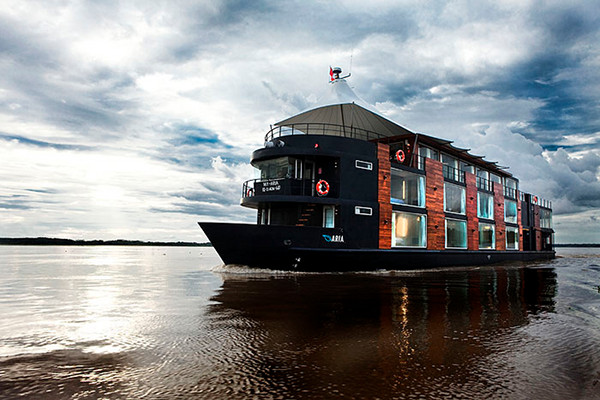
Have you ever wondered or fantasized about the possibilities of mobile hotels, floating hotels, even hotels suspended in the air on wires? You no longer have to as a study by Villeroy & Boch has revealed that the future of hotels will be shaped by seven megatrends in the next few decades with globalization and urbanization reputed to be at the top of the heap.
According to the study, “People are collaborating all over the world, accessing shared digital workspaces from wherever they are. A global culture is developing, the likes of which we’ve never seen before. Business meetings and dinners on the other side of the planet are already becoming commonplace for a lot of people”


By the study’s calculations, three-quarters of all human beings will be living in cities by 2050, which means space will be tight. As the study puts it, “mobile hotels, floating hotels, even hotels suspended in the air on wires will soon become part of our reality,” and many of those hotels will be so big that they could house entire towns themselves. The First World Hotel in Malaysia has 7,351 rooms, making it the largest hotel in the world. That record won’t hold for much longer, though: when construction finishes on the Abraj Kudai in Saudi Arabia, it’ll have more than 10,000 rooms!


The third trend— the “individual we”, striving toward self-realization even as we assimilate into groups—suggests otherwise. Car-sharing and co-working spaces are reflections of this trend, and modern hotel lobbies exude a “living room” charm that caters to modern guests’ seemingly contradictory desires.
Demographic change is another megatrend. Guests are getting older, so barrier-free access and health-and-wellness options are becoming more of a focus. And hotels of the future won’t get far without acknowledging the megatrends of smart homes and digitization.
Future hotel rooms will cater to our every whim: the temperature we want, our favourite music, customizable lighting, and modular furniture to fit our needs. We’ll be calling air taxis, our preferred mode of transportation, to bring us there.
Looming over everything is the seventh megatrend, sustainability, simultaneously restricting and inspiring us. Vegetable gardens on the roof and walls are just one of the many ways hotels of the future will make themselves more appealing to guests!
So what exactly does all of this mean for future hoteliers? Future expert Oona Horx-Strathern urges hoteliers to strive towards new types of urban hotels that re-combine work and leisure by creating hotel rooms that will become second homes.
“Hotels will become second homes—which is great news for anyone who operates hotels or serviced apartments. Digitization will help them serve guests even more effectively and create deeper ties to the company.
It might include augmented reality, offering virtual views of whatever guests want to see, or taking them on virtual field trips. Or how about sensors that can tell what mood a guest is in, whether someone is bored, stressed or even ill? Or maybe we’ll have flexible hotels that can be re-shaped to fit guests’ needs, like converting a bedroom into an office or turning a staircase into a convenient ramp. At the other end of the scale, there will be a thriving market for modern hotels with a “digital abstinence” ethos: tune out the rest of the world for a little while and just relax” she said.