
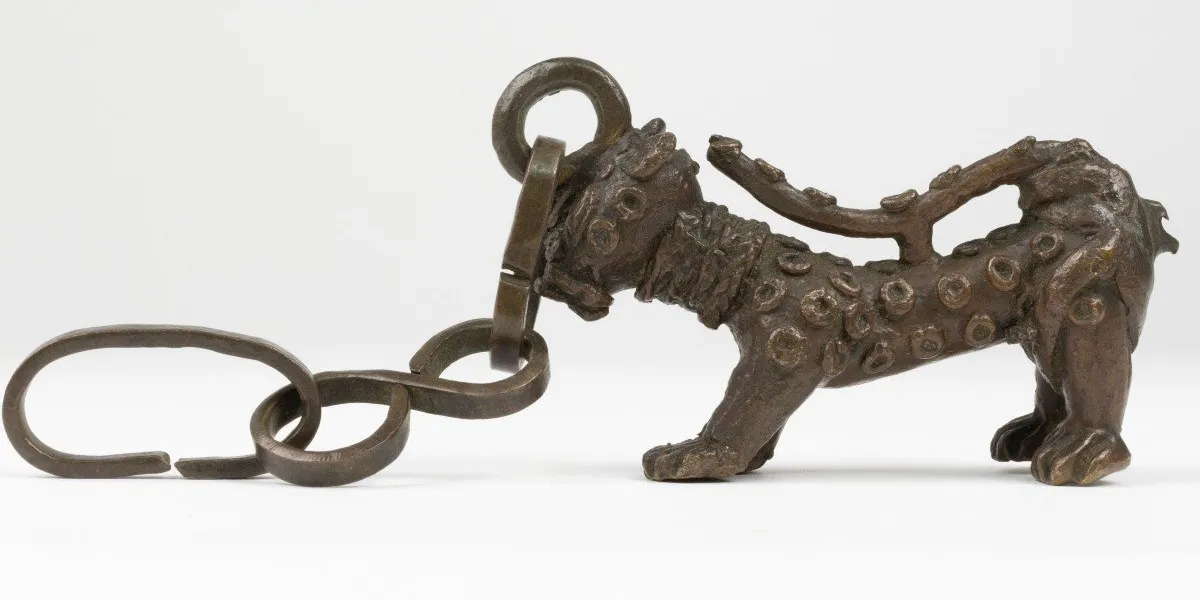
The British Museum is under pressure to return one of its most controversial artefacts after one of the country’s top universities made the decision to give back more than 100 artefacts to Nigeria.
The University of Cambridge’s Museum of Archaeology and Anthropology has completed the official transfer of ownership for 116 Benin Bronzes to Nigeria, with arrangements underway for the artefacts to physically return to their home country before the end of 2026.
The ownership transfer was announced jointly by the university and Nigeria’s National Commission for Museums and Monuments (NCMM).
Planning for the physical relocation of the majority of the items is currently in progress, according to both institutions.
The artefacts in question were taken by British armed forces when they occupied Benin City in 1897 and have been housed at the Cambridge museum for over a century.
The transfer follows a formal request submitted by the NCMM in January 2022 requesting the return of the objects. The university supported the request, which subsequently received approval from the UK Charity Commission.
The Benin Bronzes comprise thousands of metal sculptures, plaques and carvings that were created between the 15th and 19th centuries.
These works are widely recognised for their exceptional craftsmanship and hold deep spiritual and historical significance for the people of the region.
The objects currently held at Cambridge’s Museum of Archaeology and Anthropology represent part of a much larger collection of Benin artefacts dispersed across various institutions following the 1897 occupation.
Over the past decade, the museum has participated in research and engagement projects in collaboration with Nigerian stakeholders, including representatives from the Royal Court of the Benin kingdom, alongside Nigerian artists, academics and students.
Under the arrangement agreed between the two parties, 17 of the pieces will not immediately return to Nigeria but will instead remain at the Cambridge museum on loan. This loan arrangement has been established for an initial period of three years.
During this time, the 17 artefacts will continue to be displayed at the Museum of Archaeology and Anthropology, ensuring continued access for museum visitors as well as students and researchers at the university.
Credit: gbnews