
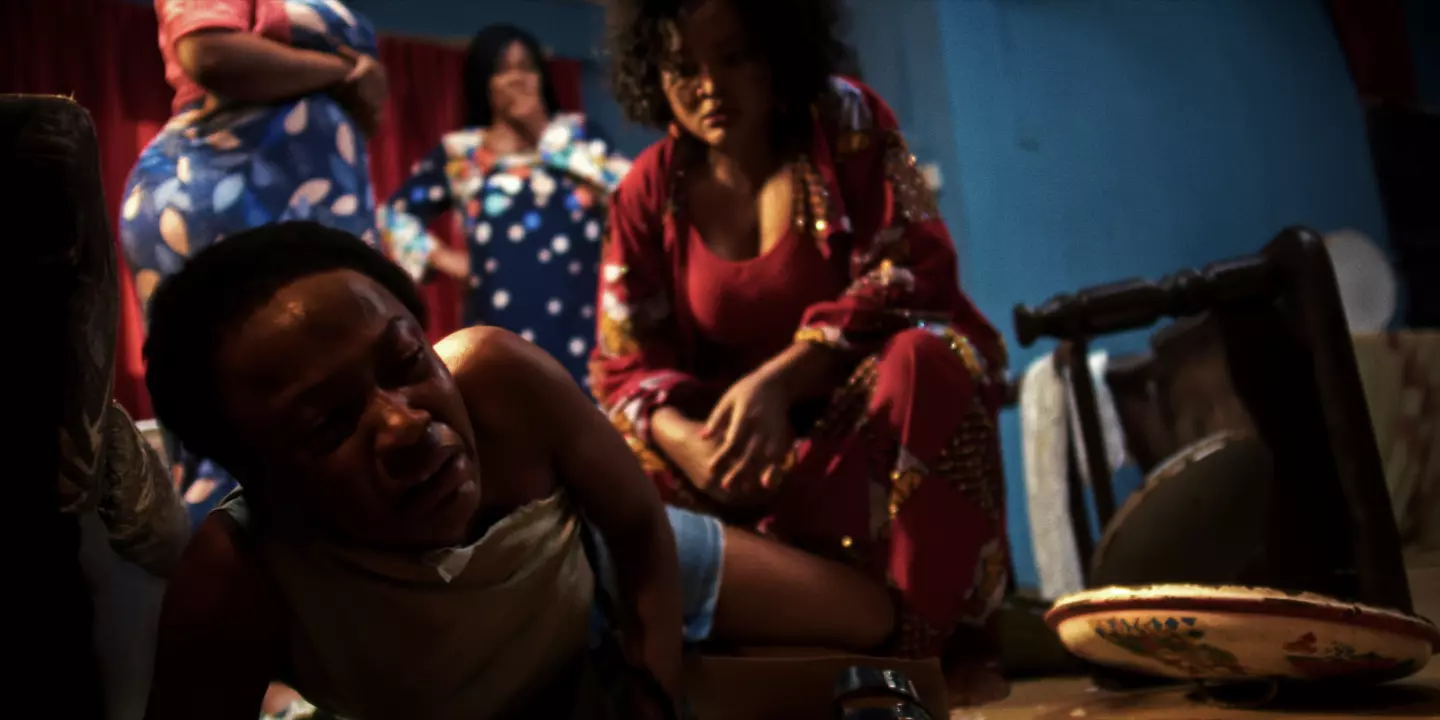
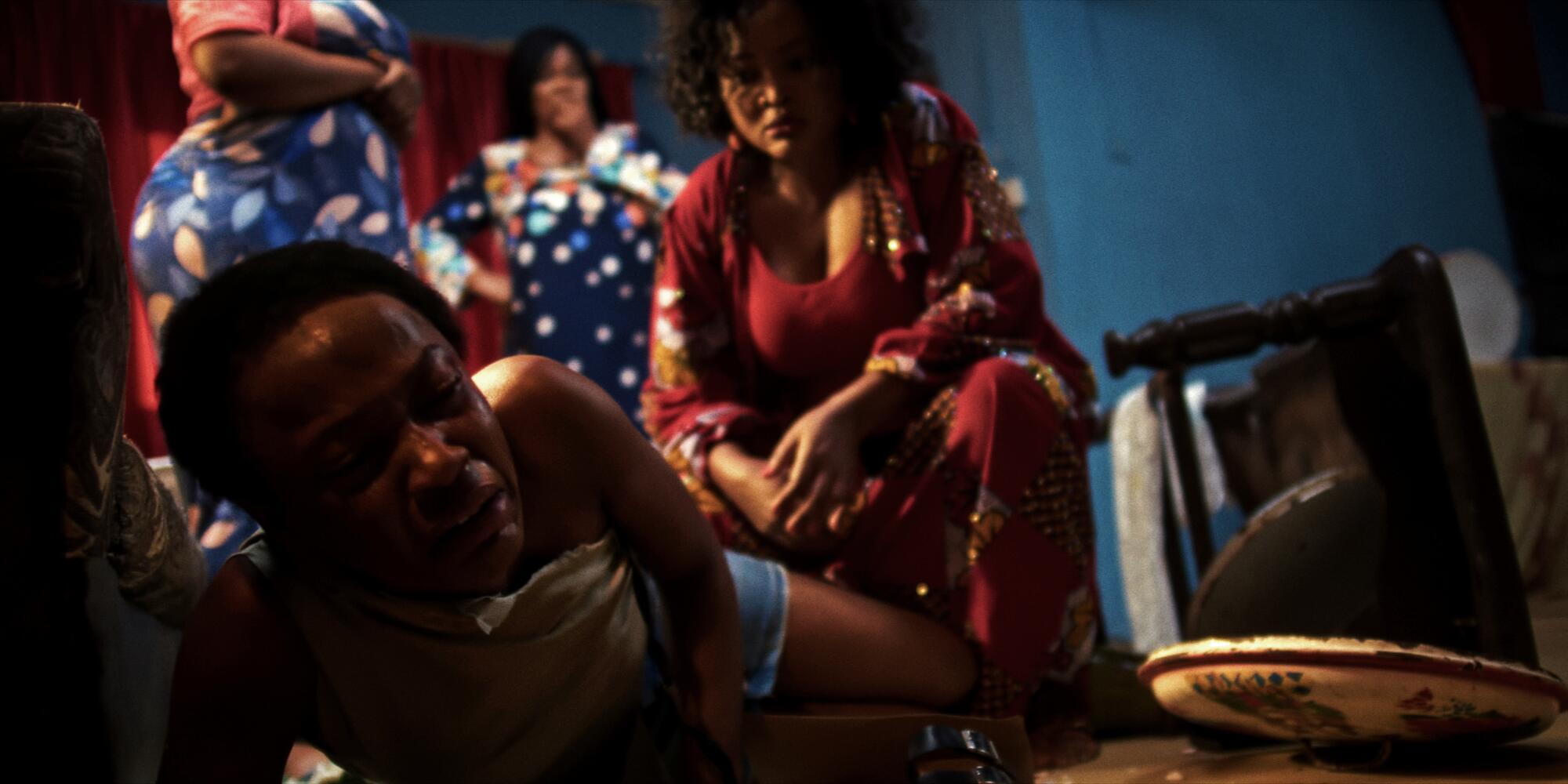
The growth of Nigeria’s film industry can be traced, curiously enough, to a time of neglect. During the 1990s, a lack of government funding pushed unemployed actors and crew to produce their own films and sell them on VHS or DVD to recoup costs — including Chris Obi Rapu’s home video blockbuster “Living in Bondage,” which inspired a new wave of filmmakers eager to tell their own stories. Today, Nollywood (a portmanteau of Nigeria and Hollywood) is much larger, producing the second most movies globally after India. But financial constraints, inconsistent support systems and limited access to global markets remain, albeit in different forms — and the creative hustle of that defining era is still as important as ever.
“Because our industry grew out of people and not government policies, there isn’t a massive African studio system to make and distribute films,” says Chioma Ude, the founder of the Africa International Film Festival (AFRIFF) and the AFRIFF Film & Content Market. The latter, a platform designed to connect African filmmakers with buyers, agents and investors to sell, distribute and co-produce content, has attracted the support of the Nigerian Federal Ministry of Art, Culture, Tourism and the Creative Economy (FMACCE), positioning Nigeria as a global player. “We decided to use our platform to teach filmmakers about regional distribution,” Ude says.


This independent streak has helped Nollywood weather the ups and downs of the international streaming economy, dominated by the same handful of players in West Africa as it is in Southern California.

When Netflix entered the Nigerian market in 2016 and scooped up the rights to Genevieve Nnaji’s empowering film “Lionheart” (2018), it set the stage for the streamer to bet big on Nigerian talent, signing major deals that included “Star Wars” actor John Boyega and multititle partnerships with Mo Abudu’s EbonyLife Media and Kunle Afolayan’s Golden Effects Pictures. Through 2023 it is estimated Netflix invested $23.6 million in original content and licensing deals, bringing dozens of hits to the platform such as “Swallow” (2021), “The Black Book” (2023) and “Jagun Jagun” (2023). Netflix was not alone. Amazon Prime Video soon followed, launching its localized service in the country in 2022, signing development pacts and investing in original content, Jáde Osiberu‘s polished epic “Gangs of Lagos” and the unscripted series “LOL: Last One Laughing Naija” among them.

The strategy was effective: Content was reaching international audiences, production quality improved, private equity was investing and output reached new levels. Despite the pandemic, Africa’s most populous country produced 2,599 films in 2020, according to the Nigerian National Bureau of Statistics.
Everything changed in 2024.
Economic challenges and a low subscriber base saw the streaming giants pull funding for original content, a decision that left filmmakers pivoting and many observers asking: What’s next for Nollywood?
The answer lies in streamlining distribution. “We are encouraging regional sales,” says Ude. “If you are a filmmaker ready to work with sales agents and distributors to sell your films regionally, it’s more work, but you will make a lot more than you even made with the streamers coming on board. That way, when the streamers do come back, asking for your worldwide rights, it’s going to be a different story. We just have to take the hit now and work hard towards elevating ourselves.”
For Ude, the shift is a positive development, but “My Mother Is a Witch” and “Colours of Fire” director Niyi Akinmolayan, whose Anthill Studios was among those to ink a deal with Prime Video, warns of potential hurdles. “I’m gonna shock you,” he says. “Even in West Africa, it’s hard to sell a Nigerian film to Ghana, or to the Republic of Benin. They don’t get some of our jokes or subtleties. It’s also difficult to sell our films in South Africa. We may all look alike to the typical American or European, but culturally, we are very different.” His answer? Producing stories that close the gap. “I’ve told Nollywood filmmakers that one way forward is to develop films where you have a lot of cross-culture influences. When you do that, people might be excited because they can see someone like them in the story.”
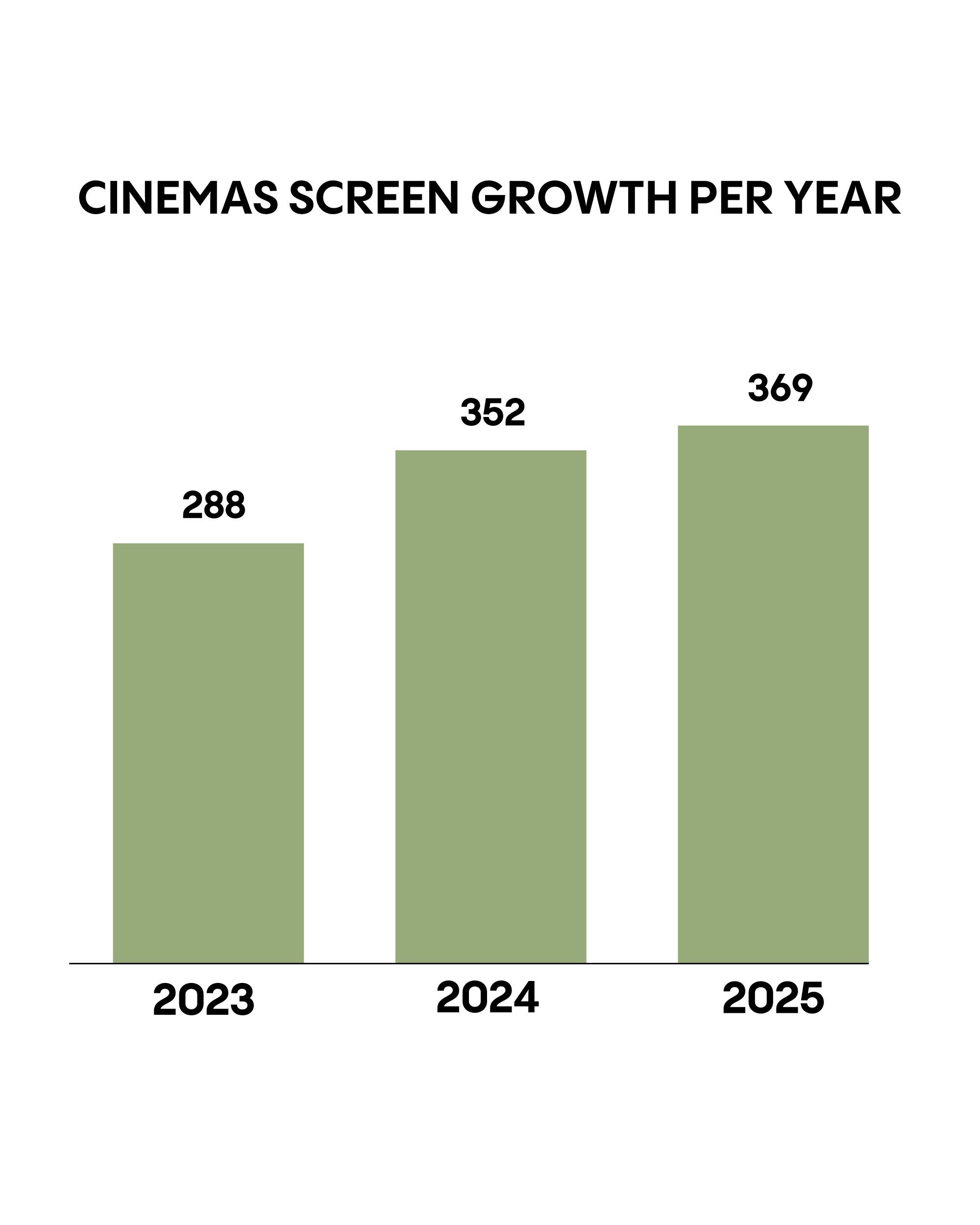
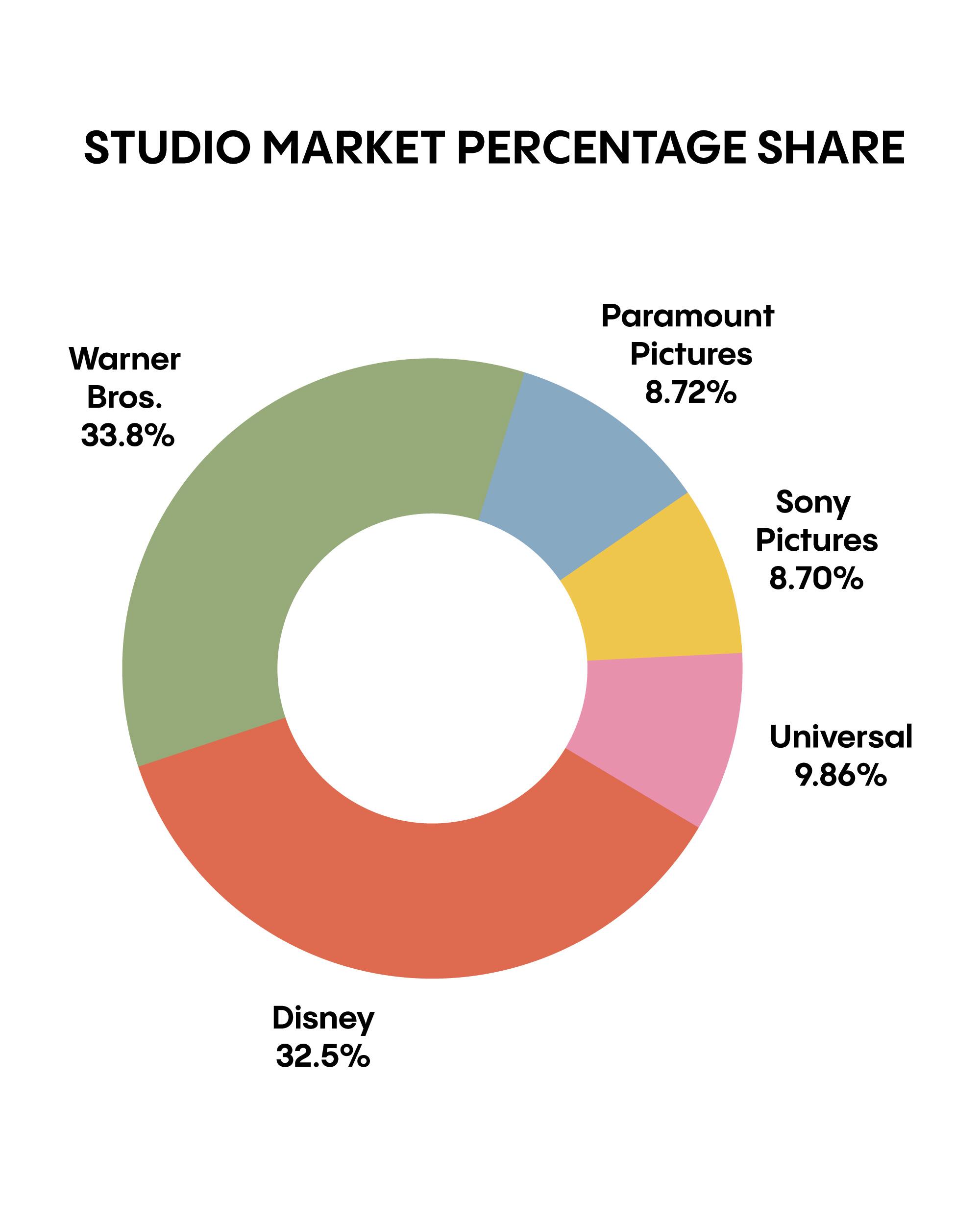
Increasing access to cinemas is another effort, with the number of screens growing from 218 to 369 between 2019 and 2025. The ratio of Hollywood to Nollywood productions on those screens has shifted from 62-38% to 47-53% over that same period — highlighting the demand for local stories. “We didn’t have a lot of cinemas then as compared to now,” says Victoria Ogar, the head of distribution at FilmOne Entertainment, West Africa’s largest distributor. “We had Hollywood dominating our space, but then over time, we noticed that people started to react to Nollywood films. They speak to the value of the people, the culture.”
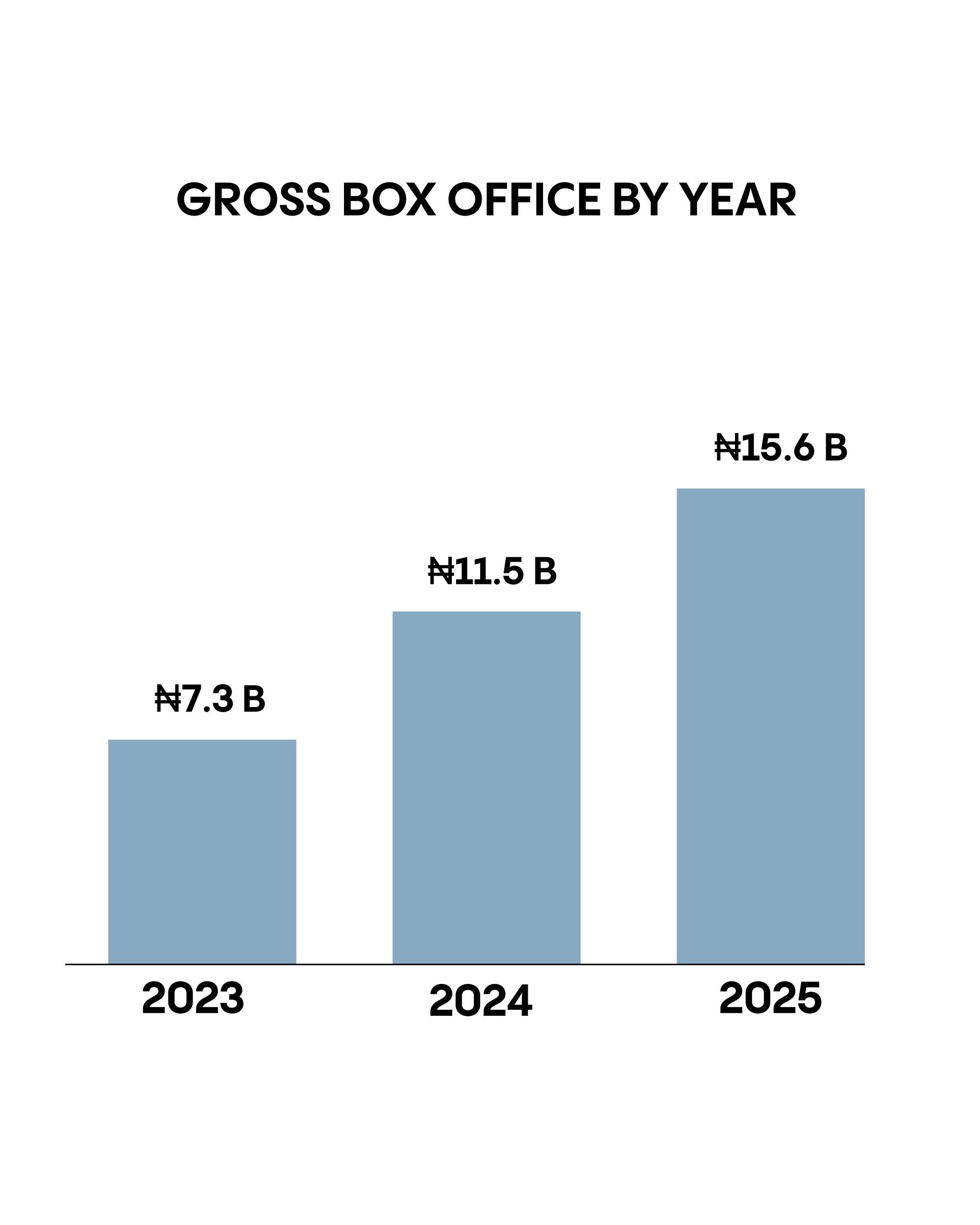
West Africans spent ₦15.6 billion (approximately $11.3 million) at the box office in 2025, a 36% increase from the previous year, according to Comscore data. Admission has steadily climbed since 2023, underscoring the interest in theatrical experiences. Last year witnessed the first Nollywood title — Funke Akindele’s “Behind the Scenes” — to cross the ₦1 billion mark in the same year as its release, doing so in just 19 days. Ogar suggests these numbers would be even higher if there were more local theaters, especially during the December peak season, when up to 20% of the yearly box office revenue can be earned. “We have a lot of people who would actually like to see a film at the cinema. But when they look at the stress of going to a different city, that in itself makes them say, ‘I’m not going.’ If the cinema was close, they wouldn’t have to spend much to get there and they would say yes.”
The most significant hurdle for Nollywood, however, is building on its international successes. “Nigeria is looking to expand beyond the UK, U.S. and Canadian markets,” notes Ogar. “Those are three countries we play a lot in because of the number of people who have migrated or relocated from Nigeria. But beyond that, places like Europe are still very shaky. The film bookers will tell you that the culture, or the language, or even the story is not well understood.”
Akinmolayan agrees. “I believe strongly that there isn’t a taste for African content outside core Africans, even in diaspora. You see that there is a curiosity for Indian cinema and Chinese cinema, but then you also have culture that has been successfully exported. So you might have an interest in going out with your friends to see a Bollywood movie.”
Ude has already observed progress in addressing Nigeria’s cultural disconnect. “Distributors in other countries are asking to buy documentaries and I asked them why. They said, ‘If I understand your culture better and who you are, then I’ll buy your films,’” she says. “It’s the getting-to-know-you phase.” Since signing the pact between the AFRIFF and FMACCE, she says they’re making positive strides in South Korean, Middle Eastern and South American markets. “People don’t really understand what policy does for the industry,” Ude asserts. “I’ve seen a lot more countries ask questions because of our partnership with the FMACCE.” This year, AFRIFF was selected to represent Nigeria as the only African partner in Marché du Film’s “Goes to Cannes” program, which showcases curated works in progress from international markets. AFRIFF curated five films to present during the event.
To fill the void left by streamers, Nigeria is attracting new productions and investment through tax incentives and industry reforms. Projects can access up to 30% rebates on local expenses. FMACCE also launched initiatives to build world-class studio facilities across Lagos and Abuja; signed co-production treaties with several foreign countries to give productions access to international funding, tax reliefs and production resources; and introduced the Creative Economy Development Fund, which provides funds and marketing grants for local film and TV projects. All in an effort to expand global reach and improve audience experience. “We have moved from quantity to quality,” says Ogar.
In turn, these developments promise to smooth out another wrinkle in the Nigerian film industry’s growth story: the talent pool. “A lot of filmmakers will say we don’t have enough funding. I would say we don’t have enough training,” Ude suggests.
Akinmolayan shares a similar sentiment. “There needs to be investment in building a hub for training. There are so many young talents and a lot of them cannot afford film school or technical schools to learn these skills. Once there is investment in local talent and good distribution pathways, production will happen and people will scale up.”
Credit: Los Angelese Times