
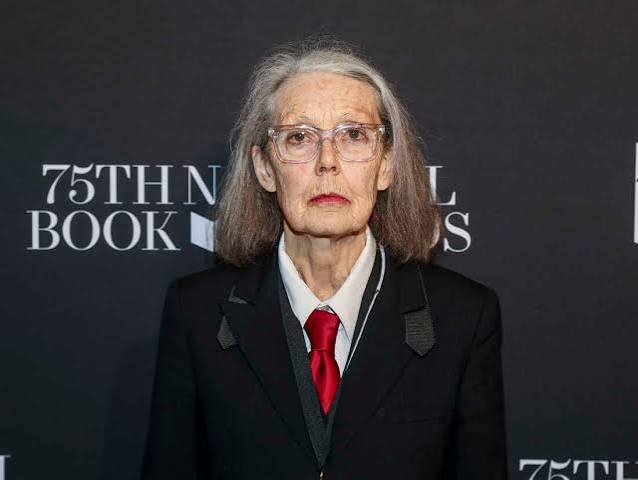
Canadian poet, essayist and translator Anne Carson has been awarded the 2026 Nobel Prize in Literature for her inventive writing and her engagement with the classical tradition. Her work brings together poetry, criticism, translation and narrative, expanding the forms through which contemporary literature can tell stories.
Born in Toronto in 1950, Carson trained as a classicist and has combined writing with university teaching and translation throughout her career. Her interest in the origins and meanings of words informs both her scholarship and her poetry. Ancient texts provide material for her explorations of desire, grief, identity and human relationships.
Her translations include If Not, Winter (2002), a rendering of Sappho’s surviving poetry that preserves the gaps between fragments. She has also translated plays by Sophocles and Euripides, bringing the language and conflicts of Greek tragedy into contemporary expression.
Carson’s writing gained increasing recognition during the 1990s. “The Glass Essay,” published in Glass, Irony, and God (1995), combines the experience of a relationship’s end with reflections on Emily Brontë, family life and solitude. Its movement between personal narrative and literary interpretation demonstrates her freedom in working across genres.
Autobiography of Red: A Novel in Verse (1998) remains among her most celebrated works. Drawing on fragments by the ancient Greek poet Stesichoros, Carson reimagines the winged red monster Geryon as a young person discovering photography, desire and heartbreak. The book places his experiences at the centre of a story traditionally associated with the exploits of Herakles.
Her later publications continue this experimentation. Float (2016) consists of twenty-two chapbooks that readers can approach in any order. Wrong Norma (2024) brings together varied prose pieces, extending her interest in the possibilities of short, loosely connected forms.
Carson has also collaborated with visual artists, choreographers and theatre and opera directors. These projects carry her writing into performance and establish connections between literature and other arts.
The award recognises a career devoted to close attention to language and continual experimentation with form. Through translation, poetry and collaboration, Carson has made classical literature an active part of contemporary writing.
Souce: Classic Books.