Ghana has just shown us why a national free television platform – DSO cannot survive on unclear funding, weak cost-sharing, and delayed stakeholder engagement.
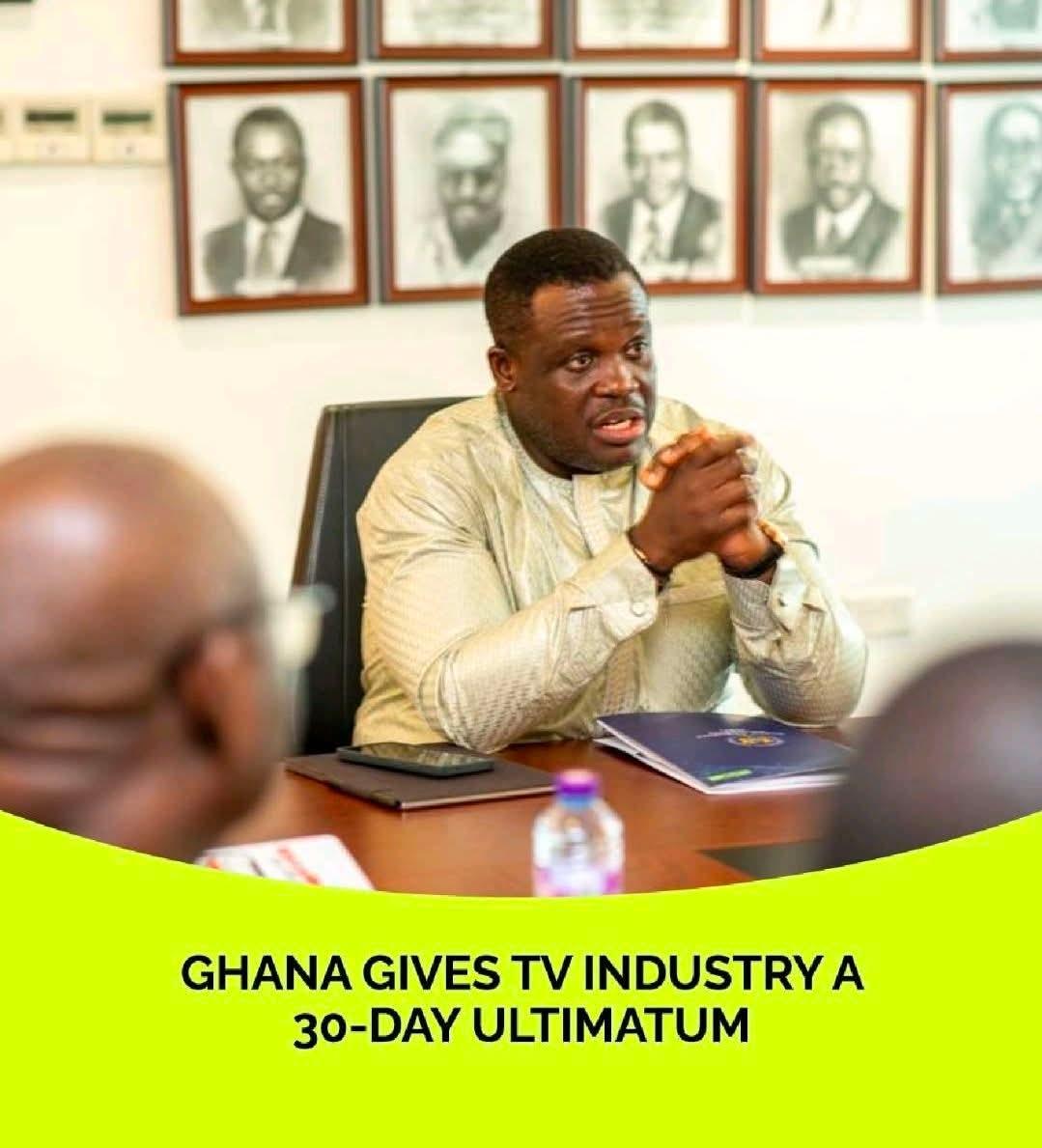
Ghana’s government has now given broadcasters and regulators 30 days to develop a sustainable funding model for its Digital Terrestrial Television platform because the state has carried the cost for years while broadcasters used the platform without paying their fair share.
We should treat this as an early warning.
Free television is never truly free. Someone pays for transmission, satellite capacity, signal distribution, platform management, maintenance, monitoring, audience measurement, software, data systems, and upgrades.
If government pays indefinitely, the model becomes fiscally weak. If broadcasters suddenly carry the burden without a fair revenue framework, the industry resists. Nigeria must define who pays, how much they pay, who collects, and how the money supports the platform.
We must also settle a more basic question: what exactly is FreeTV? Is it Digital Terrestrial Television as contemplated under the 2012 DSO White Paper, or has it become a DTH satellite and OTT aggregation platform? BON has already raised this concern, noting that DTH satellite broadcasting and OTT streaming are not the same as DTT.
This distinction matters. It affects legality, public funding, spectrum policy, consumer access, broadcaster participation, and Nigeria’s obligations under the original DSO framework.
We should not launch or relaunch FreeTV around publicity alone.
Government must publish the ownership structure, funding model, operating cost, revenue plan, stakeholder obligations, and public benefit.
It must explain who owns the platform, who manages it, who controls audience data, who sells advertising, who receives revenue, and how broadcasters and producers benefit.
Government must also clarify the role of NBC. If NBC regulates broadcasters, it should not also operate as a content aggregator, platform participant, or commercial gatekeeper without clear legal authority and safeguards. A regulator must not become a competitor or a conflicted market player.
The Ghana lesson is simple: build the financial model before the crisis. We should convene broadcasters, signal distributors, content producers, advertisers, set-top-box manufacturers, consumer groups, technology providers, NigComSat, NBC, NCC, ARCON, and other stakeholders now. It should not wait until the platform becomes financially strained or publicly contested.
Government must also tell citizens the real cost of access. If viewers need dishes, decoders, installation, electricity, mobile data, smart devices, renewals, or internet access, then FreeTV is not cost-free to the public.
Government should state these costs clearly and assess whether low-income and rural households can realistically afford them.
The central lesson from Ghana is that public-interest television requires more than infrastructure. It requires transparent governance, sustainable funding, fair cost-sharing, regulatory clarity, and protection for the content economy.
We still has time to get this right. But it must answer the hard questions now, before the bill comes due.
**Ogunpitan is a veteran producer and public commentator