
This fall, Artnet News published our “Museums in Crisis” series, a global investigation into the mounting pressures facing cultural institutions and the urgent innovations emerging in response. As public funding evaporates, political scrutiny intensifies, and donor behavior shifts, museums are confronting a turning point: adapt or risk irrelevance. The museums best poised for the future are those willing to embrace collaboration, transparency, and experimentation. Below are the top takeaways from our series—key insights into the challenges institutions face and the strategies they’re deploying to meet the moment.
Western museums face a funding and political crisis, forcing new strategies for survival and relevance.
Writer Brian Boucher highlighted a mounting crisis for Western museums, as public funding dwindles and political pressures intensify. U.S. institutions have lost hundreds of millions in federal support—$428 million from the National Endowment for the Humanities alone—while government funding as a share of museum income has dropped from 40 percent in 1998 to under 24 percent by 2010. European museums face similar cuts, with Berlin reducing cultural funding by €130 million ($151 million).


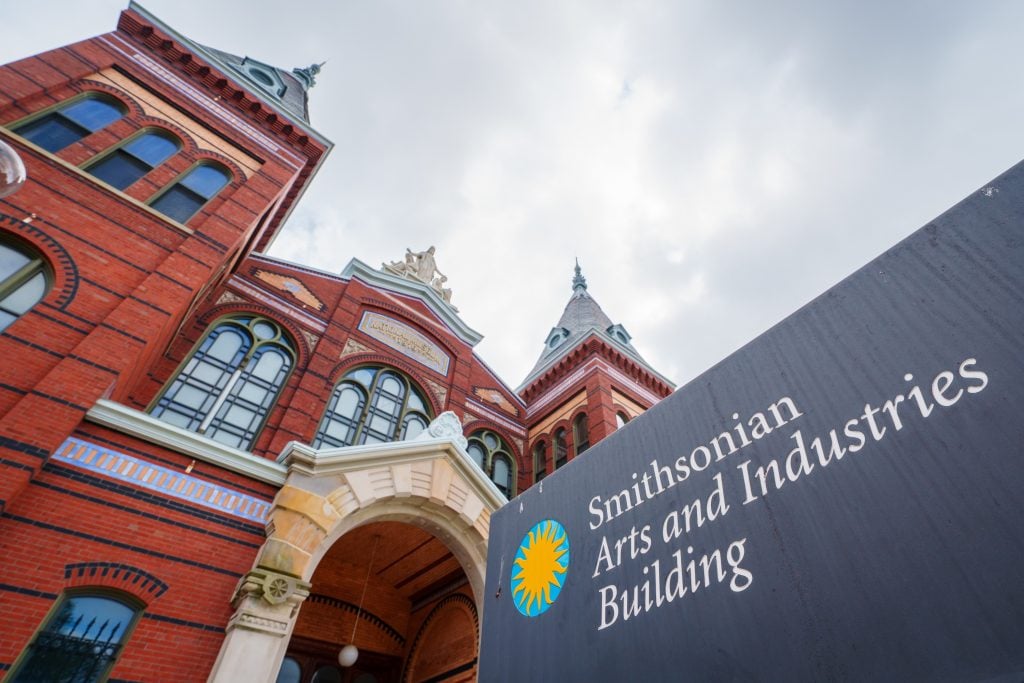


A sign marks the entrance to the Smithsonian Arts and Industries Building located along the National Mall on August 20, 2025, in Washington, D.C. Photo: J. David Ake/ Getty Images.
To survive, museums are turning to public fundraising, private donors, and expanded membership programs. Tate Modern, for example, is raising £150 million ($204 million) for acquisitions and staff. As Elizabeth Merritt of the American Alliance of Museums told Boucher, institutions now face a landscape where “relevance, independence, and sustainability are under severe pressure,” requiring new approaches to thrive.
Corporate sponsorship is vital for museums, but growing ethical scrutiny makes it increasingly risky.
Artnet’s London correspondent Vivienne Chow examined the growing ethical and financial complexities of corporate sponsorship in museums. With public funding declining and operational costs rising, private sponsorship remains a vital lifeline, but an increasingly fraught one. The U.K.’s Museums Association is urging institutions to “consider climate and ecological impacts and social responsibility” when accepting funds, explicitly warning against ties to fossil fuels or human rights abuses. As Leslie Ramos, co-founder of The Twentieth, noted, there is “no clear line as to what is considered good money versus bad money,” and sponsors deemed reputable today may face backlash tomorrow.
The sector faces unpredictable scrutiny: fossil fuel companies, luxury brands, and even galleries can be publicly criticized for ethical lapses, leaving museums navigating a minefield of reputational risk. Tate, the British Museum, and others weigh these considerations carefully, yet public expectation is high; museums are expected to uphold ethical standards that commercial entities often do not.
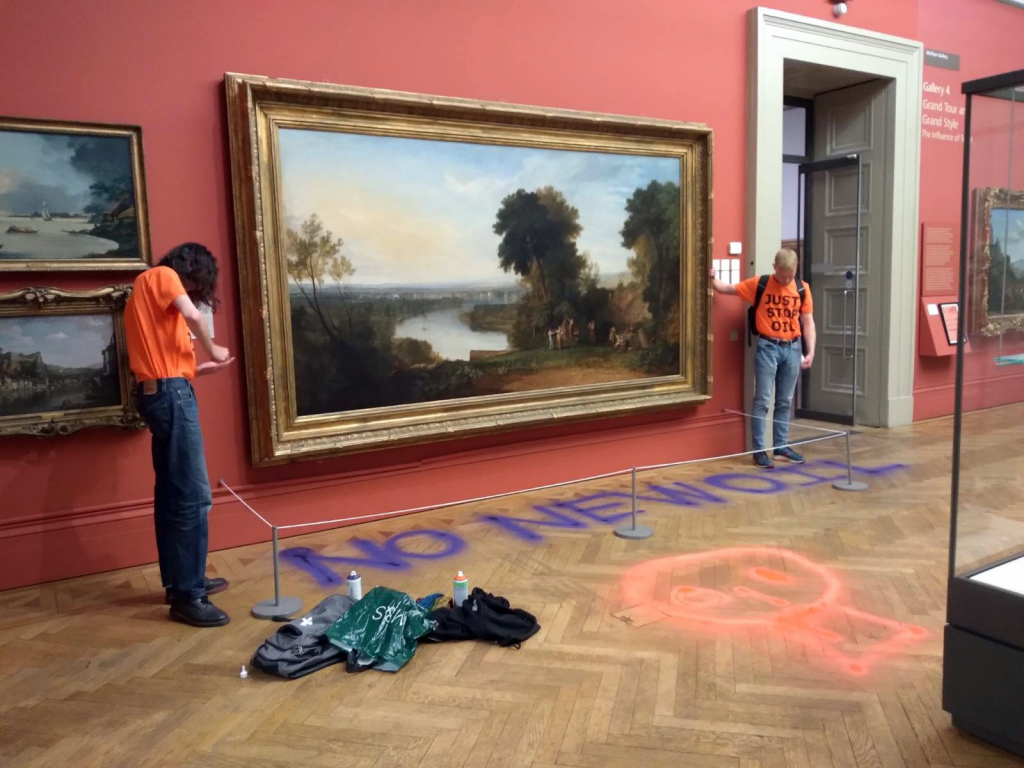
Just Stop Oil target Turner painting at Manchester Art Gallery in 2022. Photo courtesy of Just Stop Oil.
Museums have been experimenting with partnerships beyond traditional corporate sponsors. Luxury brands like Chanel and Prada are funding long-term programs. But this also raises potential conflicts of interest. Chow’s reporting underscored a central tension: museums must secure funding to survive while upholding ethical integrity, often under public scrutiny that their corporate partners rarely face.
Without policy changes, China’s private museums are at risk of downsizing or disappearing entirely.
China’s private museum sector is facing a crisis amid economic slowdown, real estate instability, and lack of public funding. Cathy Fan, Artnet’s director of content, China, revealed how private museums—once prestigious symbols of wealth and cultural ambition—are now closing or scaling back.

TAG Art Museum in Qingdao, China. Courtesy of the museum.
The TAG Art Museum in Qingdao shut down less than four years after opening, due to its reliance on an abandoned university partnership and lack of local infrastructure. Beijing’s UCCA, long considered a leader, is struggling with delayed salaries and canceled programming amid donor fatigue and insufficient tax incentives. Meanwhile, Guangdong Times Museum, once shuttered, has relaunched using grassroots support and a “slow model” focused on community-driven programming. Through these three case studies, Fan highlighted deep structural flaws in China’s museum ecosystem and the urgent need for sustainable funding models and policy support to secure the future of its cultural institutions.
Museums that prioritize mission over prestige will lead the next era—and attract new patrons.
As traditional funding sources dwindle, museums worldwide are rethinking their financial models to stay afloat and future-proof their operations. Institutions are expanding endowments, launching bold fundraising campaigns, and exploring innovative revenue streams such as artist print sales and auction guarantees, Artnet’s News editor, Margaret Carrigan, reported. Notably, Tate and the National Gallery in the U.K. have announced major endowment initiatives, while U.S. museums like the Toledo Museum of Art experiment with market-based strategies and crypto donations.

The visitor line outside the Guggenheim Museum. Photo: Jeffrey Greenberg/Universal Images Group via Getty Images.
Collaboration is also key. Museums are banding together to reduce costs, share acquisitions, and co-develop programming—even the big ones, like Guggenheim New York. Digitization has become critical, with leaders urging institutions to embrace tech fluency and take calculated risks with digital tools and platforms. Meanwhile, the next generation of patrons is seeking meaningful engagement over prestige, prioritizing transparency, shared values, and impact.
To secure their relevance, Carrigan argued, museums must reframe their value proposition—not as cultural temples funded by elites, but as collaborative, mission-driven spaces supported by diverse communities. Those willing to adopt new financial tools, forge deeper relationships, and embrace institutional humility may not only survive but lead the cultural field into its next era.
Credit: Artnet