
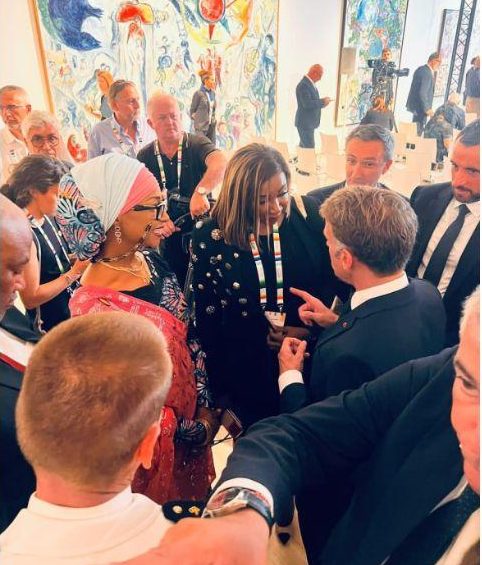
Africa was in the room and Nigeria was represented at the inaugural Lumière Summit in Saint-Paul-de-Vence, France, by the Honourable Minister of Art, Culture, Tourism and the Creative Economy, Hannatu Musa-Musawa, and Chioma Ude, founder of the Africa International Film Festival (AFRIFF), with AFRIFF representing African cinema at the gathering.
Convened by French President Emmanuel Macron and South Korean President Lee Jae-myung, the summit brought together more than 200 leading figures from the global film and entertainment industry.
It was an event described as the “Davos Forum of the film industry.”
Filmmakers, policymakers, cultural leaders, studio executives and representatives
of some of the world’s biggest entertainment platforms gathered to discuss the future of cinema and the moving-image industry.
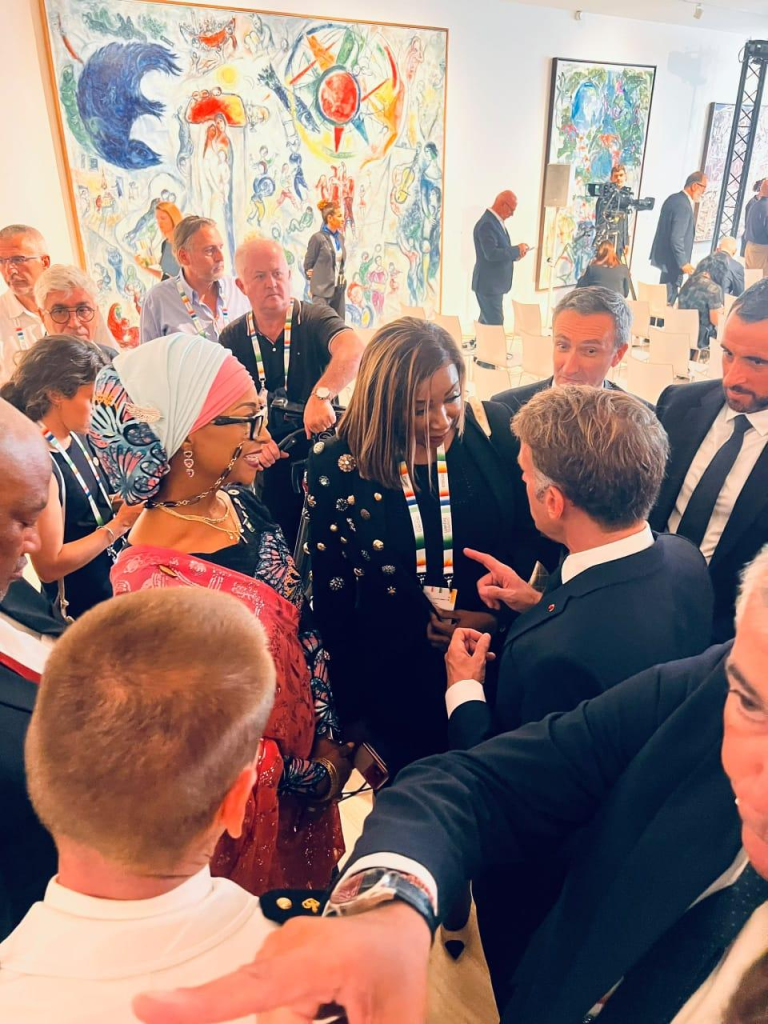
Among those gathered were Hollywood actor and filmmaker, George Clooney; Netflix co-CEO, Ted Sarandos; executives from Disney and Sony Pictures, and other major figures shaping the international film ecosystem.
For Nigeria and the wider African film industry, the participation of Minister Musa-Musawa and Chioma Ude was particularly significant. Ude’s presence brought AFRIFF, one of Africa’s leading film festivals, into a room where the future of global cinema was being actively discussed.
Founded by Ude, AFRIFF has built a reputation for connecting African filmmakers and talent with audiences, institutions and industry leaders around the world. Its presence at the Lumière Summit therefore offered an important African perspective within a gathering focused on the future of the moving-image industry.


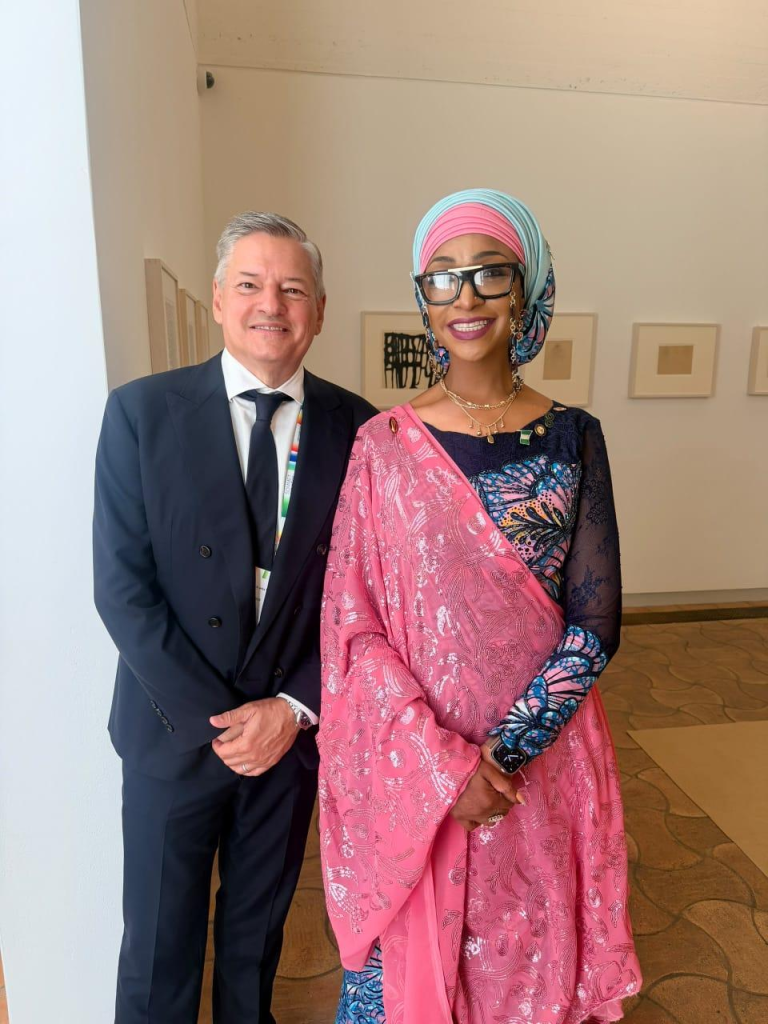

Photographs from the summit capture Musawa and Ude in conversation with some of the world’s most influential names in film and culture, including President Emmanuel Macron, George Clooney and Netflix leadership.
The conversations at the summit went far beyond ceremony. Industry leaders and policymakers examined some of the most pressing issues facing cinema today, including the impact of artificial intelligence, streaming platforms, changing audience behaviour, the sustainability of theatrical film and new models of international collaboration and financing.
A major outcome of the summit was the launch of the Lumière Partnership, through which France and South Korea pledged a combined €1 billion ($1.16 billion) investment in the film, audiovisual and moving-image industries between 2027 and 2031. Each country will contribute €500 million, with France’s commitment being mobilised through Bpifrance and South Korea providing an equivalent investment. The partnership is designed to support the growth of the screen industries while advancing human creativity, copyright protection
and cultural diversity.
The scale of the commitment reflects the summit’s broader ambition: to build new international alliances around an industry undergoing profound technological, economic and cultural change.

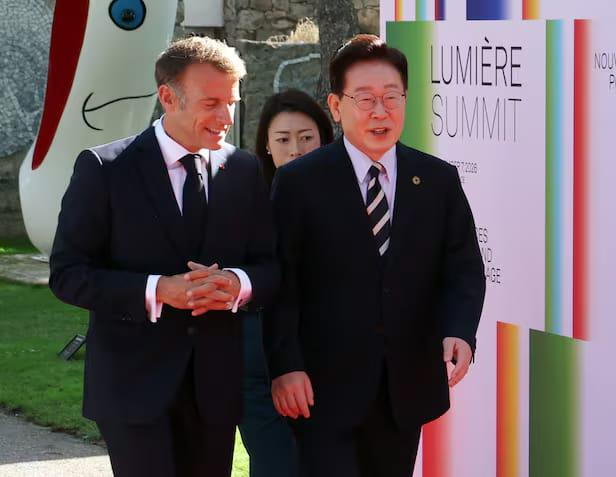

The gathering was held at the Fondation Maeght, a renowned contemporary art institution, and brought together representatives from more than 60 countries and international organisations.
For Nigeria, the significance of the summit extended beyond attendance.
With Minister Musa-Musawa representing Nigeria’s cultural and creative economy and Chioma Ude bringing AFRIFF and the African film industry into the room, the country was positioned within a global conversation about the future of cinema.
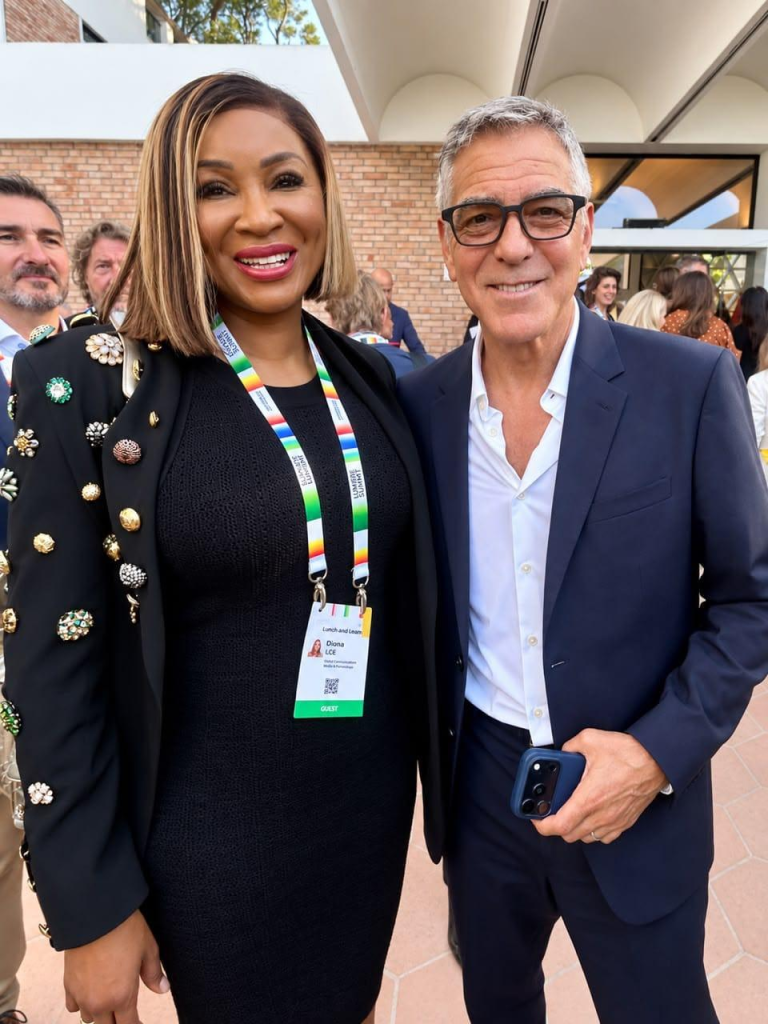
From conversations with President Macron and George Clooney to engagement with Netflix and other major international industry leaders, AFRIFF’s presence underscored the growing importance of African cinema within the global film ecosystem.
The Lumière Summit ultimately asked a fundamental question: what will the future of cinema look like, and who gets to shape it?