
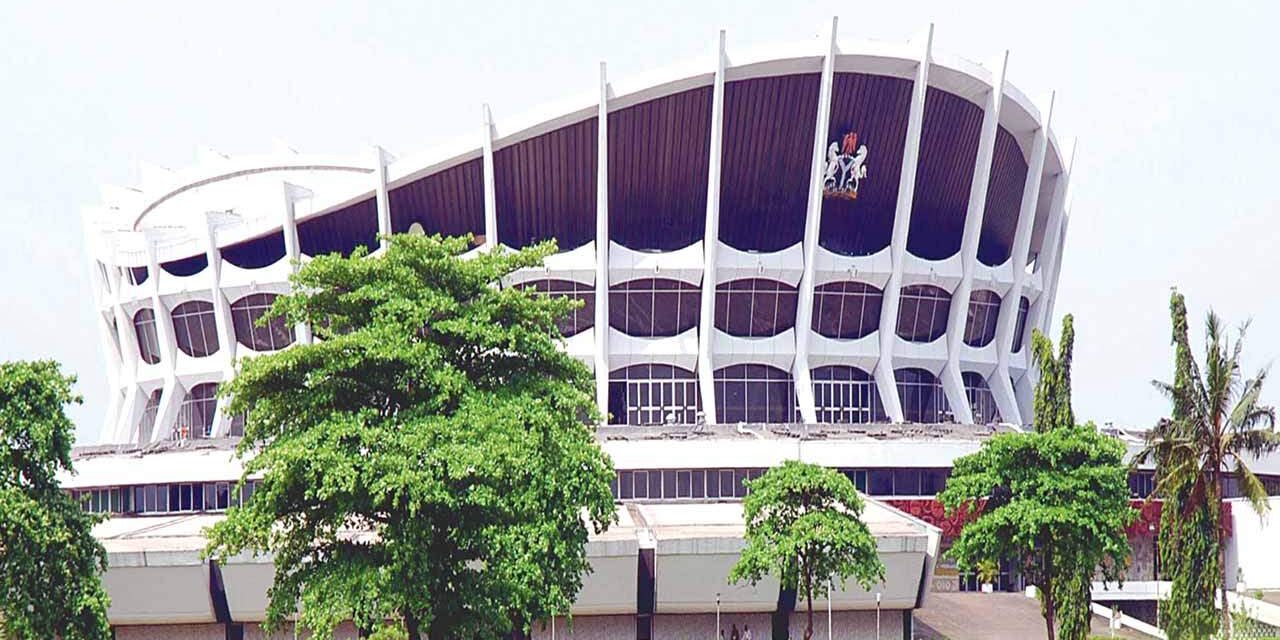
The National Association of Theatre Arts Practitioners (NANTAP) has lamented several practices and policies operated by the new management of the National Theatre, Lagos, that have resulted in the exclusion of artistes from the space.
The outcry formed a greater part of the association’s official statement to mark the World Theatre Day celebration held annually on March 27.
Under the local theme, ‘Theatre: A Culture of Peace’, the association highlighted the role of theatre in the cultivation of peace, both as ‘a sacred space for dialogue’ and a tool ‘that enables society to see itself truthfully and courageously’.
It is, however, noted that such peace is under threat when practitioners are forced to work under enormous strain, spanning economic uncertainty, policy inconsistency, and institutional neglect, as witnessed under the present administrators of the National Theatre.
“Practitioners continue to express concern about how the institution is being administered under its new board,” said NANTAP National President, Makinde Adeniran.
The concerns span the disenfranchisement of theatre practitioners via the high cost of performance venues, non-inclusive programming, unfair and prohibitive access to the National Theatre, and unclear administrative policies.
Where the aforementioned exists, Adeniran noted that they give rise to anxiety rather than creativity, uncertainty rather than innovation, and silence rather than collaboration.
“Peace in theatre practice requires functional rehearsal spaces, affordable performance venues, clear administrative policies, access to funding, inclusion in decision-making processes, and respect for professional bodies.
“We, therefore, respectfully call on the administration of President Bola Ahmed Tinubu to give deliberate and urgent attention to the Federal Ministry overseeing culture and the creative economy. The ministry must not merely exist; it must function. Policies must be announced; they must be implemented. Boards must not merely be inaugurated; they must be held accountable.
“Government support for theatre is not charity. It is nation-building. It is peace-building. If theatre is a culture of peace, then government must become a partner in cultivating that peace”.
Adeniran also called for a structured dialogue between practitioners, the National Theatre management, and the supervising ministry.
“We ask for policy clarity. We ask for transparent frameworks that protect the interests of artistes and investors alike. We envision a National Theatre that is alive daily, not occasionally. We envision a system where practitioners do not beg for access to their own cultural home.
“On this World Theatre Day, we (NANTAP) recommit ourselves as practitioners to ethical practice, artistic excellence, and national unity. But we also insist, respectfully and firmly, that peace must begin within the structures that govern us.”