
My 48-day trip to Nigeria ended today (Saturday July 18th, 2026)!
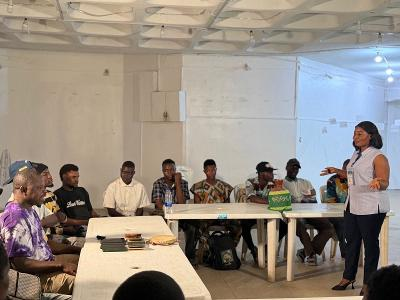
I spent the first 24 days in Lagos, organizing the 340-panel LSA Conference, Nigeria’s biggest academic gathering and one of the biggest African studies conferences in the world. It was hosted by Trinity University, Sabo/Yaba.
On June 24, I moved to Ibadan and filmed 20 additional scenes for “Global Fuji,” Episode III of The Fuji Documentary. After several rehearsals, I shot scenes depicting a Fuji band preparing for an international tour and producing a commemorative album, at the Polytechnic Ibadan, The National Museum of Unity, String Studio, and our private home.
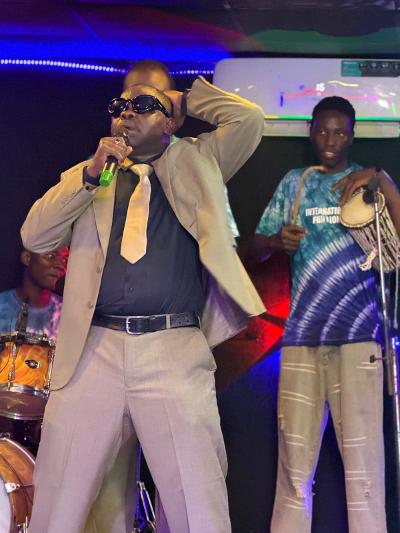
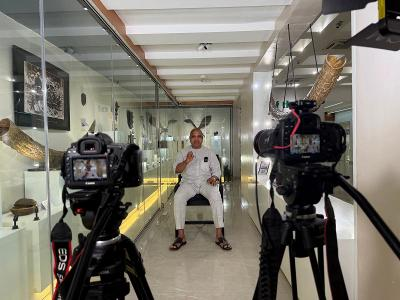
To demonstrate Global Fuji’s religious pluralism and spirituality, I shot scenes about Islam at the Ibadan Central Mosque, and about Christianity at Ori Oke Anu, one of the highest elevations in Ibadan, located at Ojoo. Hajj is central to Fuji globality because Fuji artists went to Mecca before traveling to Europe and North America. To cover the Hajj context in Fuji globality, I filmed Professor Habibah Oladosu at the Central Mosque of the University of Ibadan and Alhaji Obajekagbadun, an Islamic goods merchant, at Oja Oba.
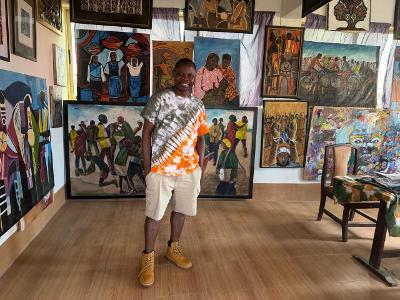
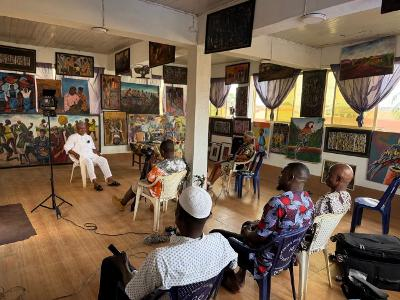
Filming Fuji artists continued during this trip. I shot Alhaji Taju System at the breathtaking Center for Afrikan Art and Designs in Ibadan, and Ireland-based Alhaji Semo Winter at the National Museum. Segun Elegbe, Rashidi Ayinde Merenge’s backup singer, allowed me to film him at the 26-floor Cocoa House, Ibadan’s tallest skyscraper, completed in 1964. I was also on a Radio Show, called Oro Ibadan, on the invitation of egbon Kolawole Olomide. And gave a public lecture at Pan-Atlantic University because Dr. Uzoma Okoro invited me.


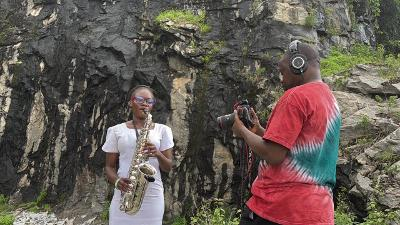

On July 1, I took Pelumi, a student of the Polytechnic Ibadan, back to Adisa Quarry, a jaw-dropping landscape, while she played K1’s Solo Makinde. Pelumi’s performance will be included among three others from across the world as part of global Fuji sounding.
This trip, like the past, incurred a lot of debt. I’m grateful to friends (especially Timothy Ajiboye) of The Polytechnic Ibadan for allowing their students to participate in the documentary and for hosting the screening of The Women of Fuji. Dr. Ellis Oyekola, owner of the Center for Afrikan Art and Design allowed me to film at his gallery. So, also the administrators at the National Museum of Unity and the National Museum. Abiodun Abioye unlocked the bureaucracy of Cocoa House for me to film there.


The trip was successful, but stressful, as expected. For 10 straight days, I didn’t get more than 4 hours of sleep because of LSA Conference responsibilities. Filming after the conference required both physical and mental strength. Thankfully, God created amala, Isola’s ultimate culinary healer. Special gratitude to all amala restaurants in Lagos and Ibadan where I ate. May your businesses continue to thrive.
Yours Sincerely in Fuji,
Emperor Saedo Okola and His International Fuji Lions
**Prof Aderinto is a Professor of History, African and African Diaspora Studies at the University of Florida, USA