
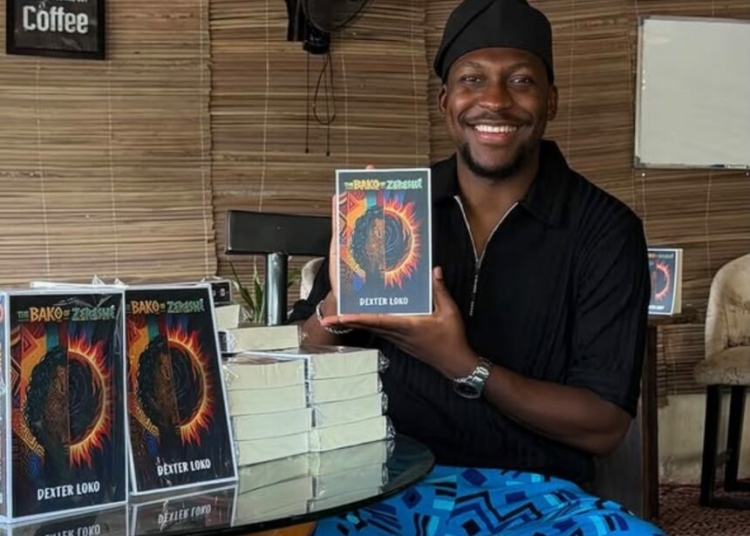
Nigerian-Irish author Dexter Loko has won the 2026 Chinua Achebe Prize for Literature for his second book, The Bako of Zereshé, securing one of Nigeria’s distinguished literary honours.
The award was announced on Saturday, October 31, at the Association of Nigerian Authors (ANA) 45th Annual International Convention in Abuja.
The prize was presented by award-winning author and ANA Vice-President, Obari Gomba, and comes with a cash reward of ₦1 million sponsored by United Nigeria Airlines.
Loko’s novel emerged winner from a shortlist that included No Place Like Home by Henry Akubuiro and Chikoba by Onyedikachi Uzozie Nmezi.
Published in July 2026 by Lagos-based GrandTouch Press, The Bako of Zereshé is a 170,000-word epic fantasy that combines Nigerian history, culture and mythology with magic, political intrigue and adventure.
The novel follows Jeremy Fletcher, a young British journalist assigned to Nigeria to cover the insurgency in the North-East.
However, an unexpected accident changes the course of his assignment when he discovers Zereshé, a fictional secret 37th state of Nigeria where magic is openly practised and woven into everyday life.
What begins as a journalistic investigation develops into an extraordinary adventure in a world embroiled in a struggle between good and evil.
The victory marks a significant milestone in Loko’s literary career, particularly as his debut collection of 15 short stories, The Day the Sun Vanished, was independently published in November 2023.
His latest work has now earned him recognition among contemporary Nigerian prose fiction writers, highlighting the growing possibilities for fantasy literature rooted in the country’s history, culture and identity.
Born in Nigeria and based in Ireland, Loko has attributed his literary imagination to his upbringing, during which he was exposed to Nigerian stories, cultural traditions and an extensive home library provided by his parents.
These early experiences, according to the author’s account of his literary journey, have continued to influence his storytelling, particularly his exploration of Nigerian settings, identities and imaginative possibilities.
His success also brings renewed attention to Nigerian fantasy literature, a genre that remains comparatively underrepresented in the country’s literary award landscape despite its potential to explore cultural heritage through imaginative storytelling.