
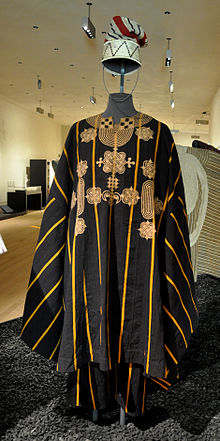
The African continent has long been known for its rich culture and legacy, which are reflected in its art, music, and textiles. Aso-oke, a hand-woven cloth that has been a staple in African dress for centuries, is one of these textiles. Aso-oke is a one-of-a-kind cloth with a rich history and cultural importance that has been passed down through generations. In this post, we will look at the beauty and history of Aso-oke, as well as why it deserves to be seen from a particular perspective.
This vibrantly coloured and artistically woven fabric represents luxury and tradition in West Africa. Africa as a continent is endowed with a wealth of talent and creativity, and Nigeria, in particular, has a long history of textile manufacture. Aso-oke, which translates to “top cloth,” is one such fabric that has been passed down through the centuries.
Aso-oke is a type of handwoven, hand-dyed, or hand-printed cloth manufactured from a range of materials such as cotton, silk, and even lurex. The traditional method of manufacturing aso-oke begins with the dyeing of the foundation cloth with natural dyes, followed by weaving on a loom. The finished cloth is then embroidered with motifs using a supplemental weft thread known as “sanyan” or “alaari.”
Aso-oke fabrics are an integral component of the Yoruba people of Nigeria’s cultural heritage. It is weaved and coloured in a variety of styles and patterns with significant connotations in Yoruba culture. The “ipele,” which is a triangular shawl, is worn by Yoruba kings and chiefs, whilst women wear the “buba,” which is a blouse, and the “iro,” which is a wrapper.
Aso-oke is more than simply a fabric; it’s an art form that takes years to perfect. Weavers with skill produce complicated motifs using geometric and abstract patterns. Aso-complex oke’s patterns and vibrant colours depict the Yoruba people’s daily life, history, religion, and philosophy.
A Brief History of Aso-oke
Aso-oke’s origins can be traced back to the 15th century, when it was created by the Yoruba people of Nigeria. The town of Iseyin in Oyo State, Nigeria, is widely believed to be the birthplace of aso-oke. The town is home to a large number of weavers, and the cloth has been produced there for centuries. Originally, the fabric was worn for special occasions such as weddings, feasts, and other major events. It was seen as a prestige symbol, and the more ornate the design, the more prestigious the wearer. Aso-oke has undergone numerous transformations and adaptations over its history. In the early twentieth century, for example, the use of imported synthetic colours and yarns began to alter the look and feel of the fabric.
Aso-oke in contemporary fashion
Aso-oke is still an essential component of African culture and history today. It is still used at special occasions and has spread beyond the African continent. Aso-oke has been incorporated into the designs of African designers, and it has become a fashion mainstay in the West. Despite its popularity, aso-oke is largely unknown outside of Africa. Many people are unaware of its history and cultural significance, and it is frequently dismissed as simply another African cloth. Yet, Aso-oke is much more than that. It reflects Africa’s rich cultural heritage and deserves to be seen in a new light. Aso-oke has recently been adopted by contemporary fashion designers such as Deola Sagoe, Tunde Owolabi, and Ladunni Lambo. They’ve used the fabric to make a variety of trendy and one-of-a-kind garments. Aso-oke has appeared in runway shows, magazine editorials, and on celebrity red carpets. With rapidly rising internet penetration and adoption across Africa, online marketplaces such as Meekono have emerged, making wholesale sourcing of African textiles such as aso-oke particularly accessible.
How is aso-oke made?
Understanding the process of creating aso-oke is one way to appreciate it. It is a time-consuming and labor-intensive process that necessitates a high level of skill and patience. Weavers must have a thorough understanding of the loom, the materials utilised, and the patterns and designs. Each aso-oke piece is unique and conveys a narrative. Making aso-oke is a time-consuming procedure that needs a great deal of expertise and patience. Here’s a step-by-step tutorial on how to make it:
Gathering the Materials: The first step in making aso-oke involves gathering the materials needed for the process. These typically include cotton or silk threads, natural dyes made from plants or vegetables, and a loom for weaving.
Dyeing the Threads: After gathering the materials, the threads are dyed using natural dyes. This is a crucial step as it determines the colour and pattern of the aso-oke fabric. The dyed threads are then sun-dried to set the colours.
Preparing the Loom: With the threads dyed, the next step is to set up the loom for weaving. This involves stretching the threads tightly across the loom and securing them in place.
Weaving the Threads: The weaver then begins weaving the aso-oke fabric using the prepared threads. The weaving process involves intricate movements of the hands and feet, as the weaver works to create the desired pattern and texture of the fabric.
Adding the Supplementary Thread: After weaving the base fabric, the weaver then adds a supplementary thread or border, such as the “sanyan” or “alaari,” to create intricate and unique designs.
Finishing the Fabric: Once the weaving is complete, the aso-oke fabric is washed and sun-dried again to set the colours and remove any starch. The fabric is then cut and sewn into various garments or accessories, such as hats, bags, and headties.
Adding Embellishments: Finally, the finished aso-oke fabric may be embellished with embroidery or beads to add more detail and make it even more beautiful.
Despite the difficult process involved in making aso-oke, it remains a popular textile in many African societies. Because of its versatility and durability, it is a popular material for clothes, home decor, and accessories. Aso-oke, however, is much more than its aesthetic appeal. Understanding the symbolism of aso-oke is another way to appreciate it. Colours and designs in aso-oke are typically meaningful and have meaning. Blue, for example, indicates love and harmony, whilst white denotes purity and spirituality. Nature is frequently used to inspire the patterns and designs, with themes such as leaves, flowers, and animals woven into the textile.
Finally, aso-oke is an unique textile with a long history and cultural significance. It reflects African culture and heritage, and it deserves to be seen in a different perspective. We can properly appreciate this extraordinary textile and the culture it represents by knowing its symbolism, enjoying the process of making it, and celebrating its beauty.
Source: tdsblog