
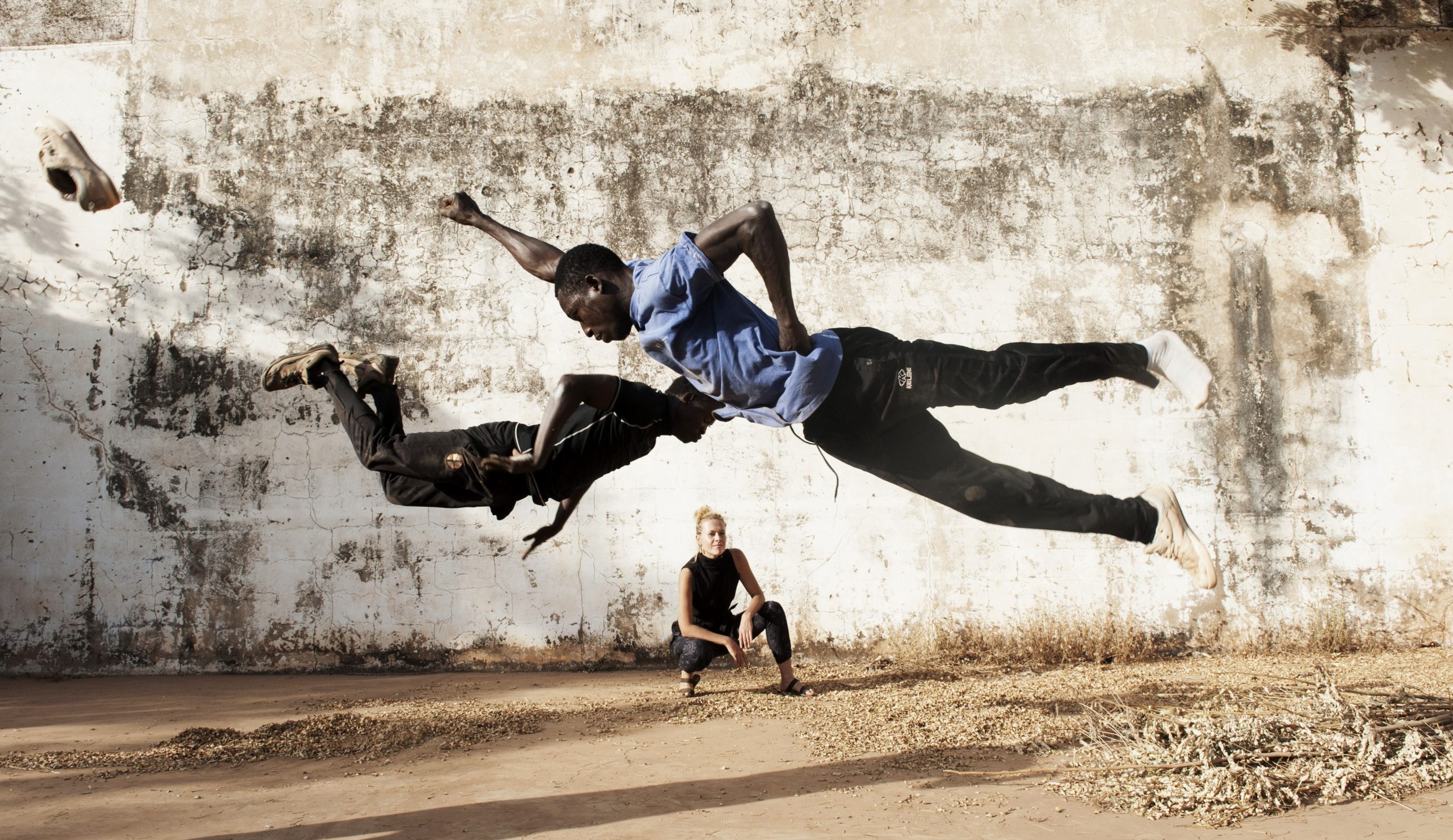
The Prince Claus Fund is calling on emerging artists and culture practitioners to apply for its 2022 Seed Awards programme.
The Dutch fund annually recognises 100 emerging artists and culture promoters within the first five years of their careers.


To qualify, applicants are required to fill an online application form and submit samples of their work, one reference letter and a pitch answering the question of what drives you as an artist?


The open call is open to eligible countries in Africa, Asia, Latin America, the Caribbean and Eastern Europe.
The deadline to submit an application is March 1st, 2022.
According to a statement by the organizer of the award, the Prince Claus Seed Awards targets emerging artists and cultural practitioners who are on average in the initial one to 5 years of their professional career and who have an innovative and interesting artistic practice that addresses pressing social/political issues important within their local context.
“Through this, we aim to create space for emerging artists to experiment and develop new perspectives on societal challenges within their practice on their own terms.
For the Prince Claus Seed Awards, we are looking for emerging artists and cultural practitioners whose innovative work addresses pressing social and/or political issues within their own context.
Recipients are free to invest the award of €5 000 in the development of their artistic practice. Through the Prince Claus Seed Awards, we support the career development, creativity and experimentation of emerging artists and cultural practitioners around the globe” the statement said.
According to the guidelines of the award, applicants must also have received little to no recognition/support for their artistic/cultural practices, and are not yet recognised internationally.
The Prince Claus Seed Awards encourage individuals with experimental artistic practices that represent minority groups and marginalised communities within society.
It must also create safe spaces for young artists, makers and participants, generate participation and empower local communities to express themselves freely.
Propose new narratives and futures on histories, particularly those censored or marginalised for political, religious, cultural or economic reasons.
Enable exchange, cooperation and knowledge sharing related to the current global environmental crisis and creatively and confidently challenge gender norms.
Recall that Ayo Akínwándé, a Nigerian contemporary visual artist, curator, and writer was listed amongst the recipients of the award last year.