

Marvel Comics has frequently dabbled in horror throughout its lifetime. Before Marvel existed, its predecessor company, Atlas Comics, were well known for publishing hundreds of serial horror stories that could be likened to silverscreen monster movies and unsettlingly uncanny situational horror. When Jack Kirby, Stan Lee, and Steve Ditko embraced superheroes, Marvel did bring over many of Atlas’s pop-horror series, but ultimately fazed out the genre going into the 1980s.
However, in the last few decades, and especially in recent years, Marvel has once again embraced its roots in horror. Thanks to the disgustingly grotesque and unsettling talents of comics’ best writers and artists, Marvel has successfully introduced what used to be a very controlled image to the unnatural and terrifying perversions that the horror genre provides. Fortunately for horror fans, there are many series that could have been pulled for this list, but these comics feature the most terrifying art styles in Marvel Comics history.


1Immortal Hulk
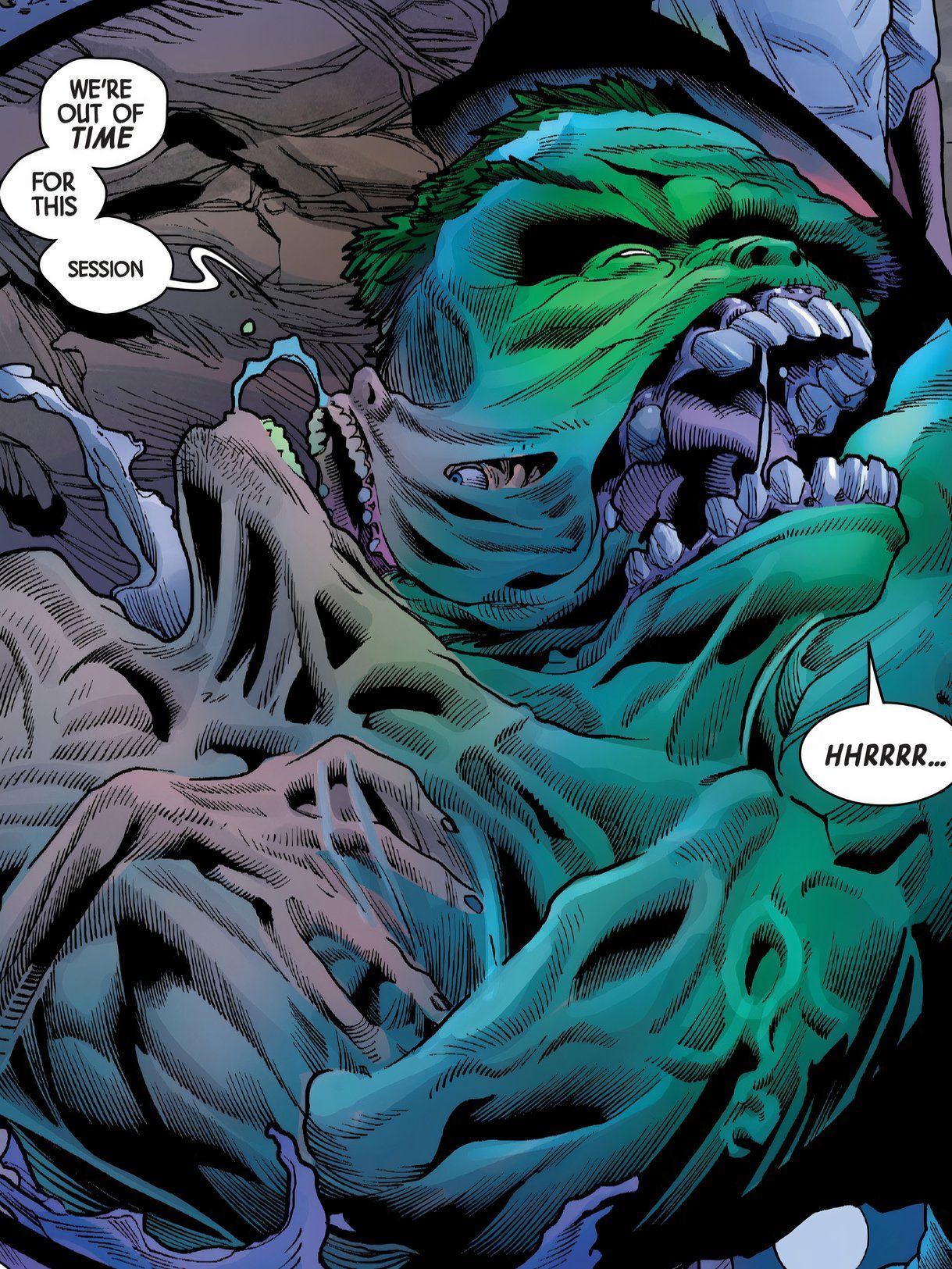
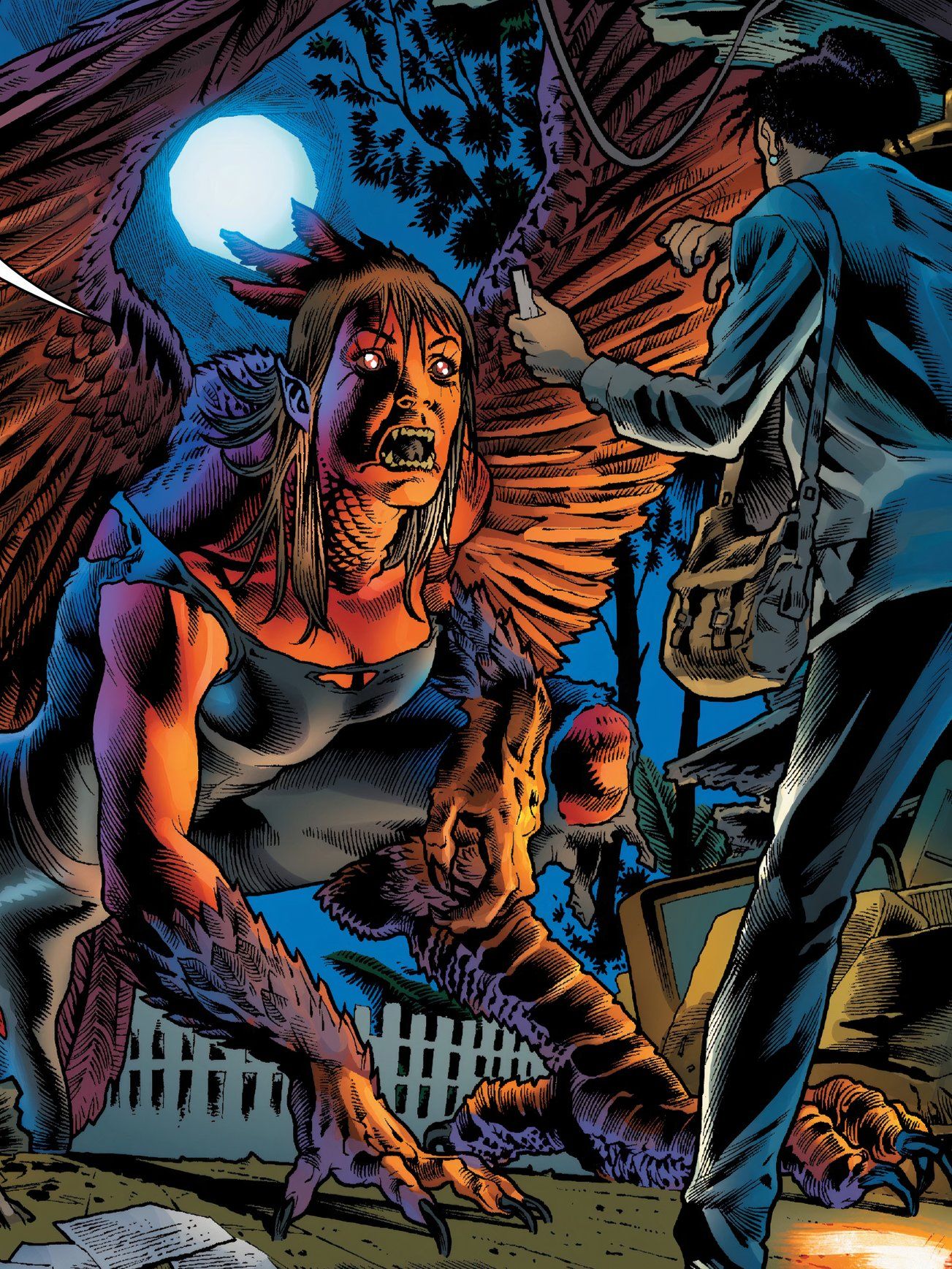
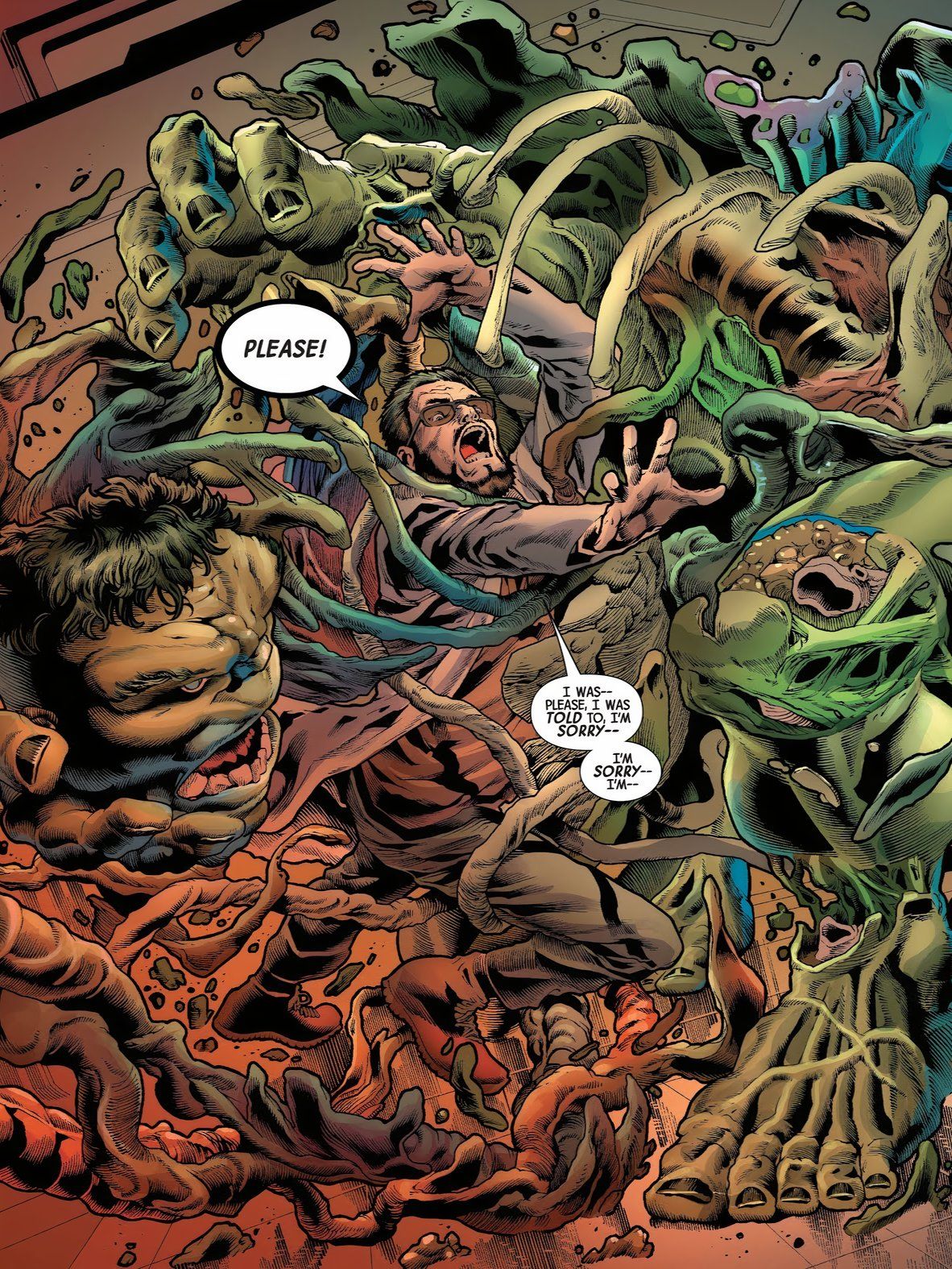
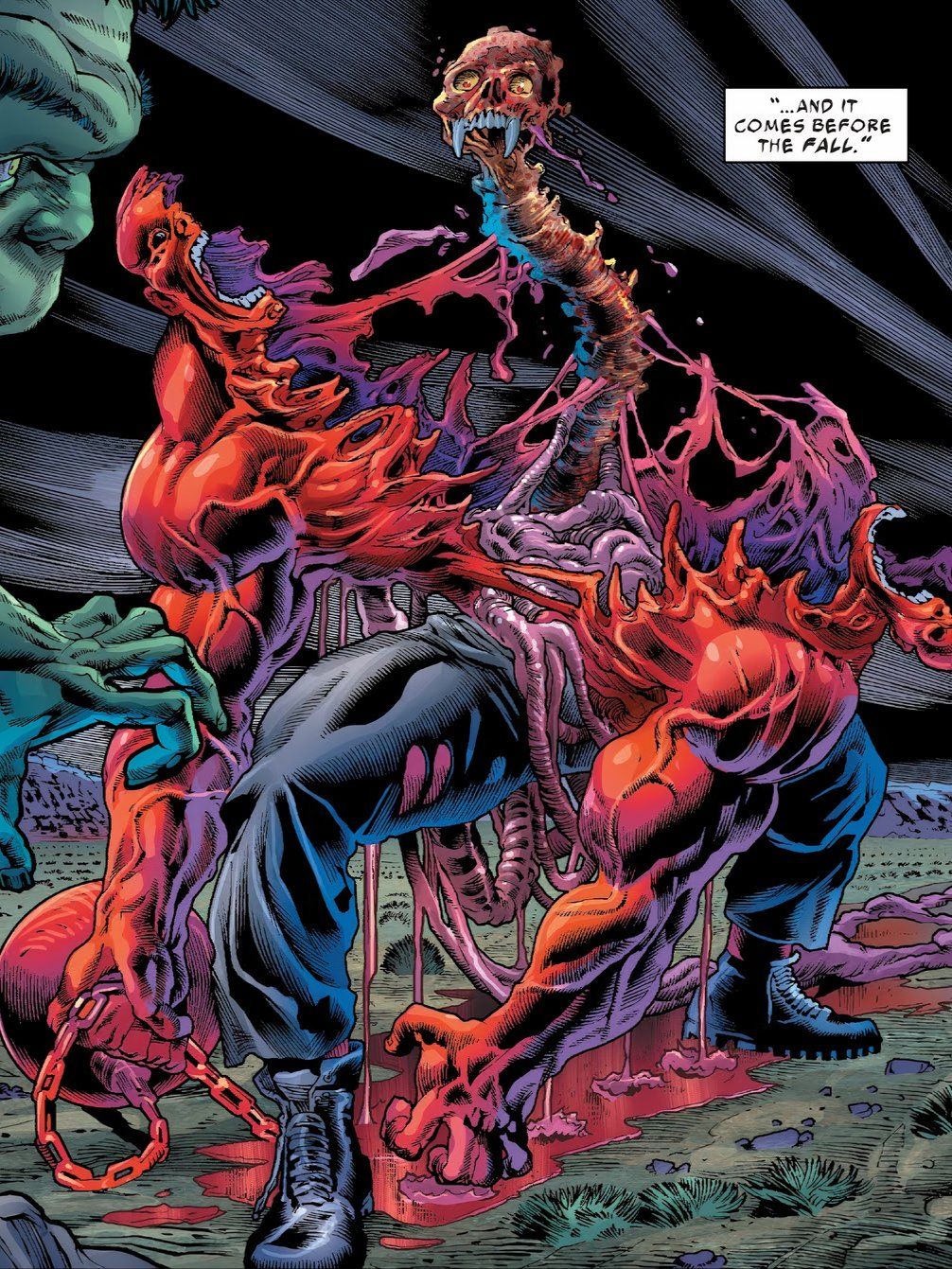


The Hulk’s savage brutality is nothing new, but prior to Al Ewing, Joe Bennett, and Paul Mounts’s Immortal Hulk series, the true face of the Gamma Goliath’s violent horror had never been fully explored. Bennett’s art is a disgusting nightmare of Cronenburgian monstrosities. As the series explores gamma-mutates’ immortality and the cosmic Satan they are related to, the horrors only become more abstract.


While Marvel has allowed artists to step outside the traditional PG-13 guidelines, Bennett’s direction completely broke modern-day standards. The Immortal Hulk is sickening and disturbing, perfect for a Hulk story. Throughout the story, as Bruce Banner’s psyche fully reveals its true nature, the series’ art reflects that journey. Bruce is a broken man, struggling to find harmony within his dissociations. Al Ewing did a fantastic job at detailing Banner’s struggles, but Joe Bennett fully articulated the scientist’s active trauma through the writhing and shifting inhuman forms of flesh the series presents.
2Dead of Night Featuring Man-Thing
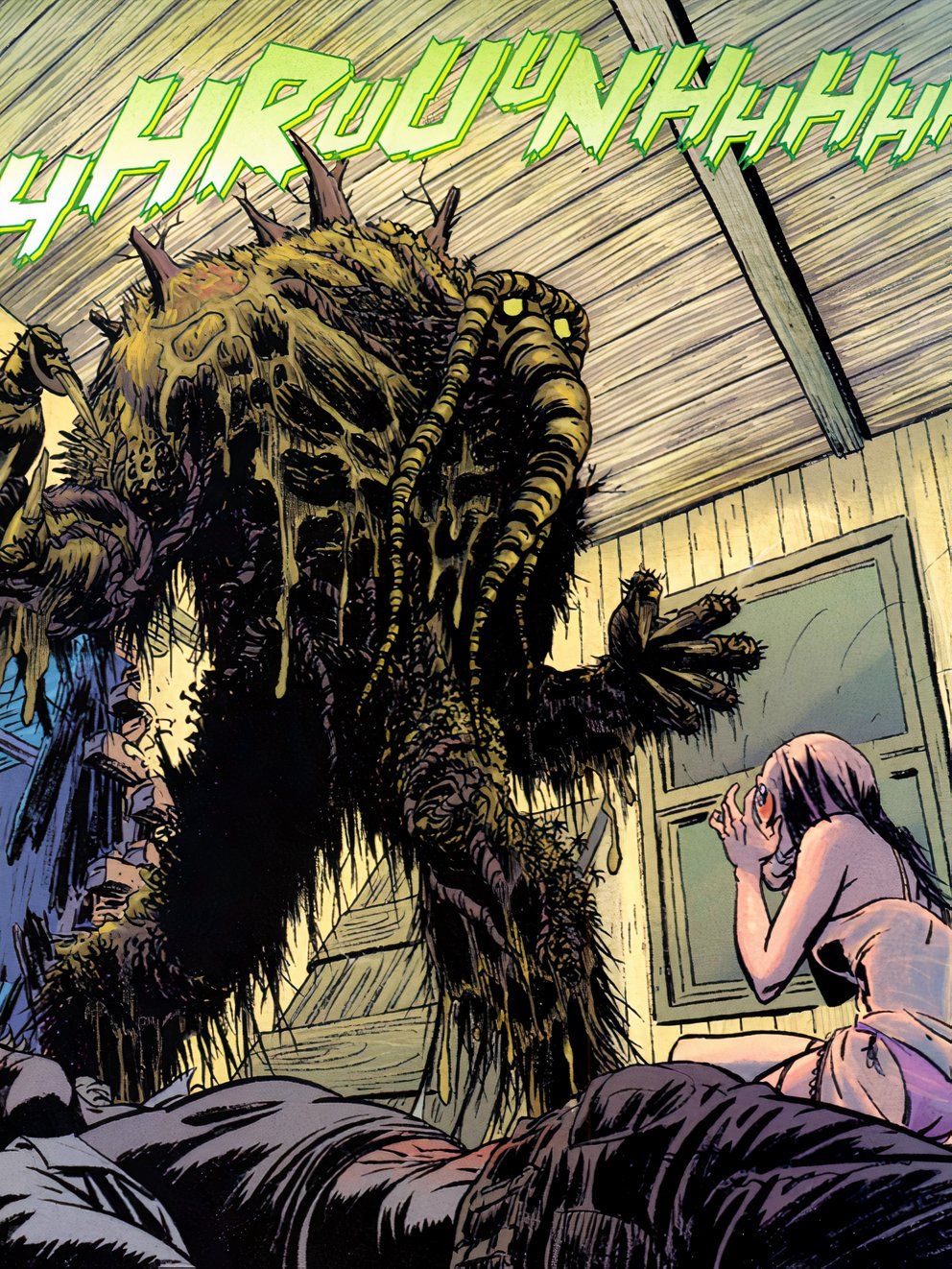
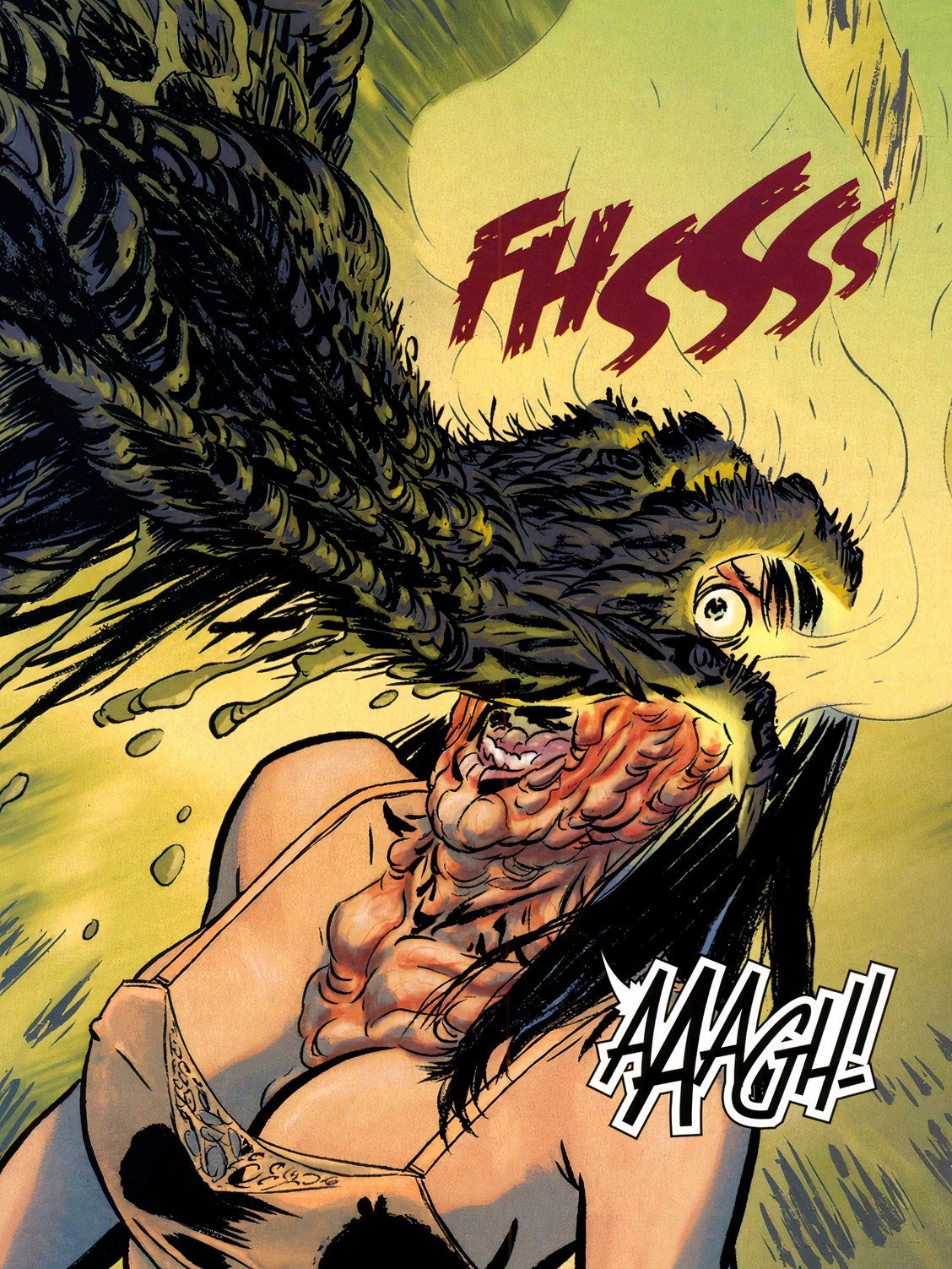
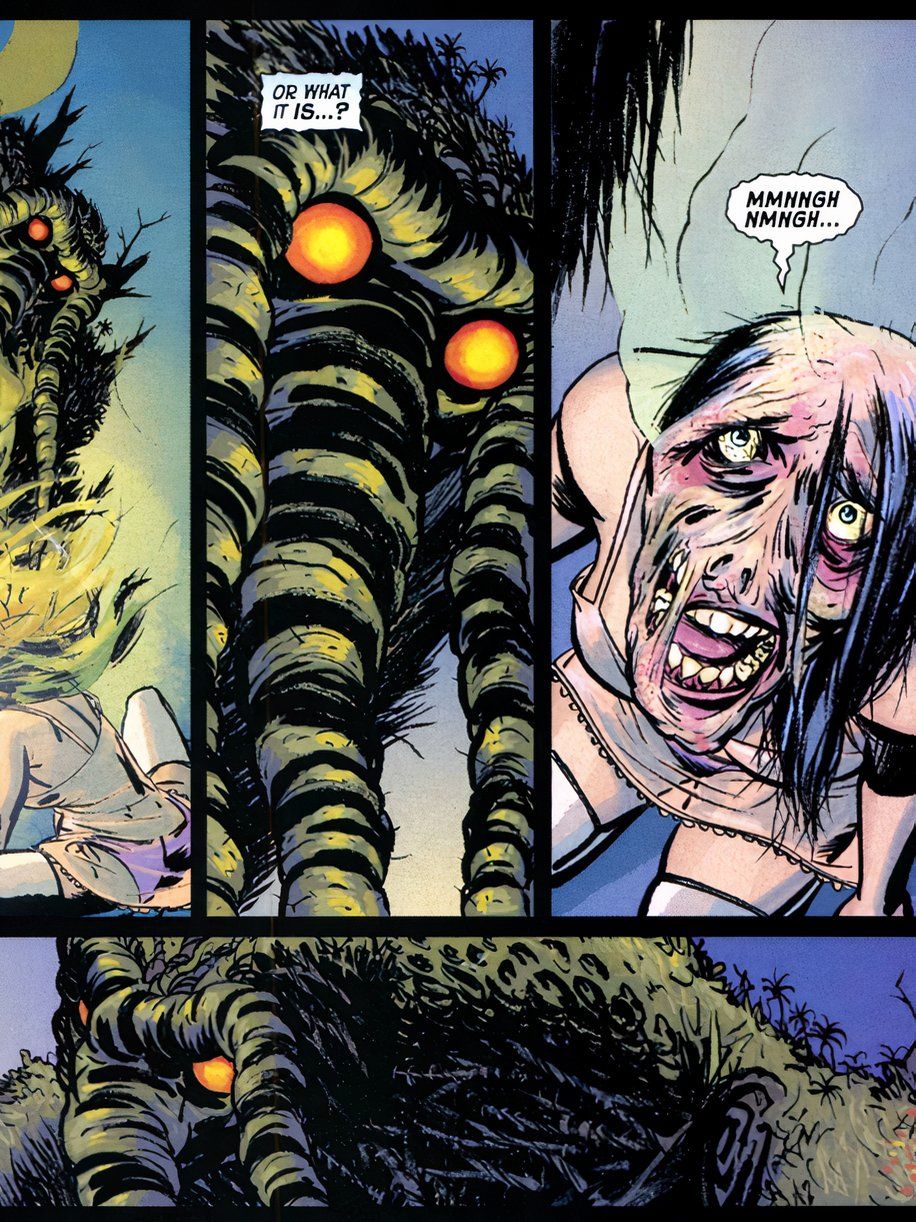
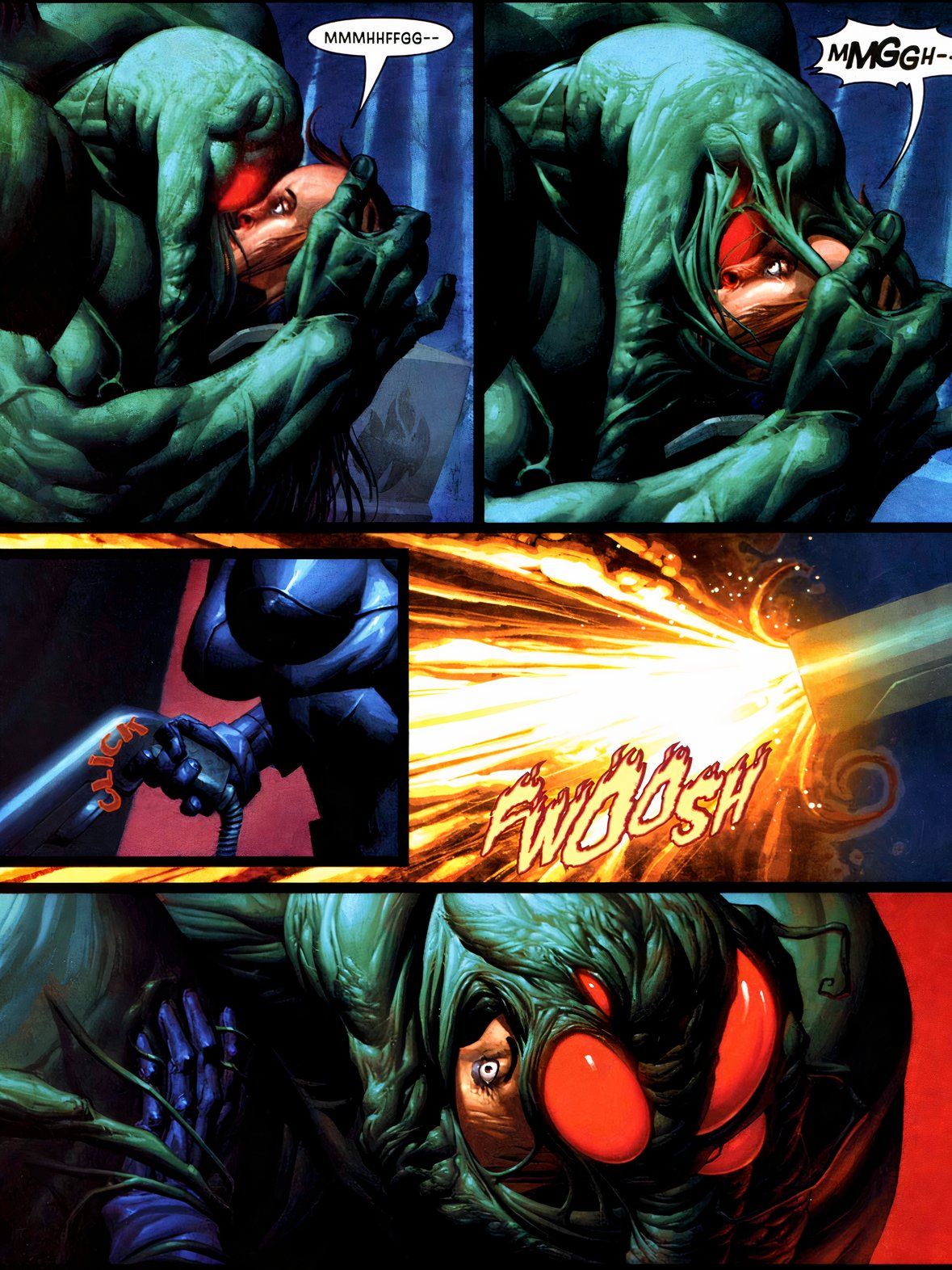
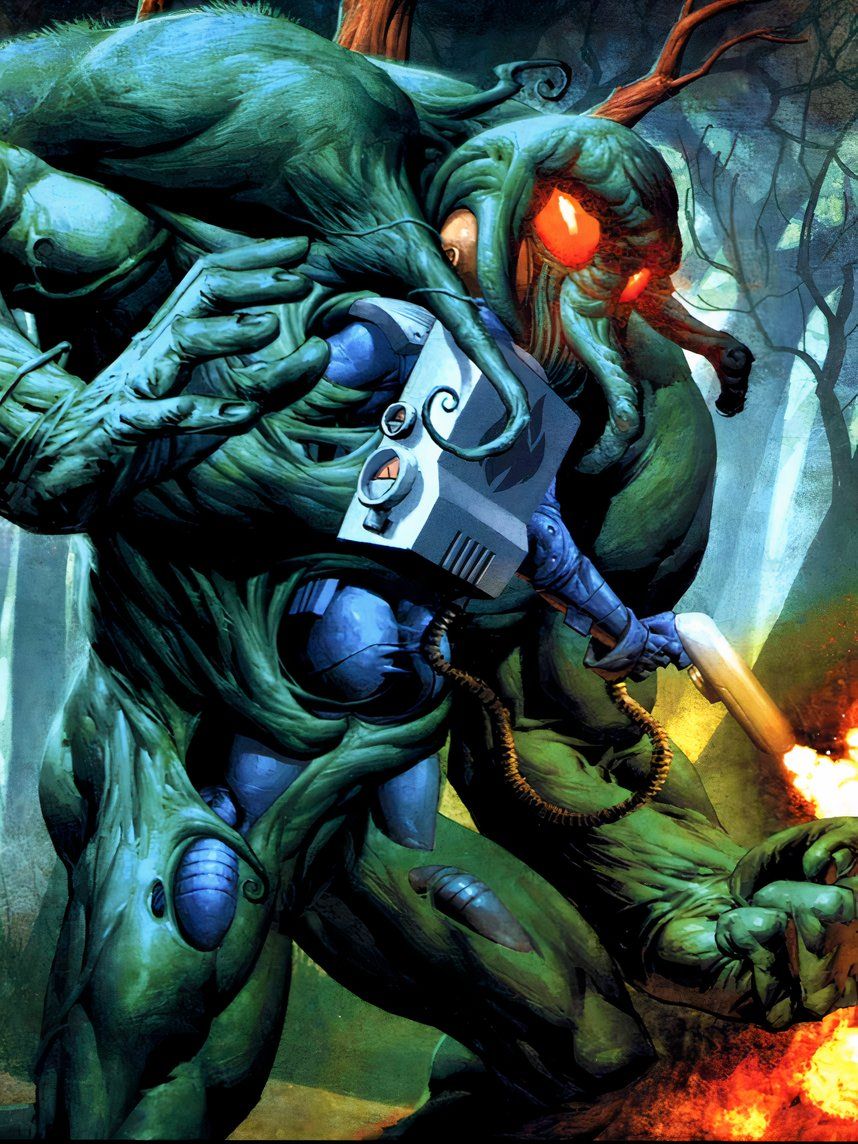
This MAX Comics limited series is one of the few modern comic series that expresses the horrifying monstrous nature of the Man-Thing . While the character has turned into a semi-comedic puppy dog of sorts, his origins are significantly more petrifying. Written by Robert Aguirre-Sacasa with art by many talented artists, like Brian Denham, Nick Percival, June Chung, and Nic Klein, Dead of Night fully explores the monstrosity that Ted Sallis had become. The creature’s mindless and empathic cruelty and terror are built by the sporadic pauses of tension before delivering a climactic and disgusting visual experience.
Man-Thing is not a friend, it is a force of nature unburdened by humans’ understanding of morality. It acts without malice unless acted upon first. It waits and processes its victims actions before meeting them with its own violent nature. The limited series’s many aritists each created a unified vision that properly portrays the Man-Thing as a towering beast of nature whose otherworldly powers seem like an inevitably gruesome and elongated death sentence before the creature ever approaches his victims.
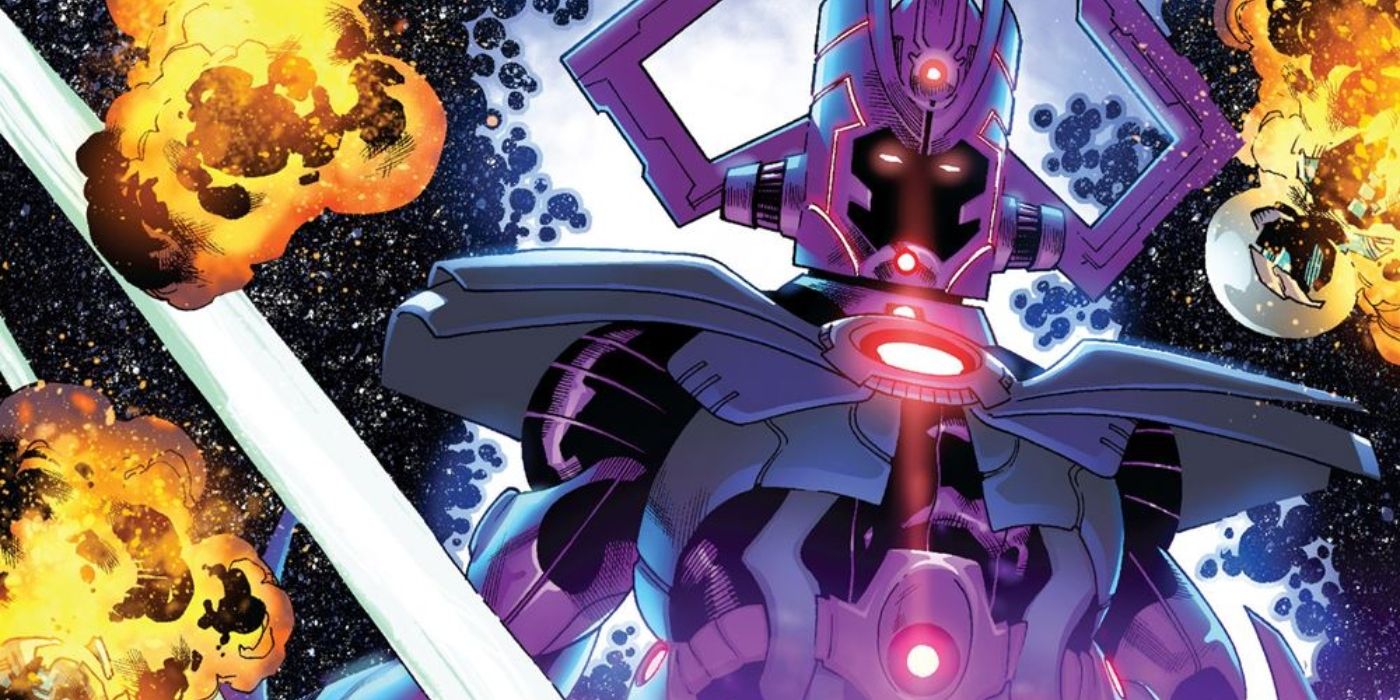
Galactus’ Most Terrifying Form Is the Body-Horror Nightmare the MCU Needs
This variant of Galactus, Devourer of Worlds, is more than a giant man in a silly purple outfit, he is a god of incomprehensible proportions.
3Marvel Zombies (2005)
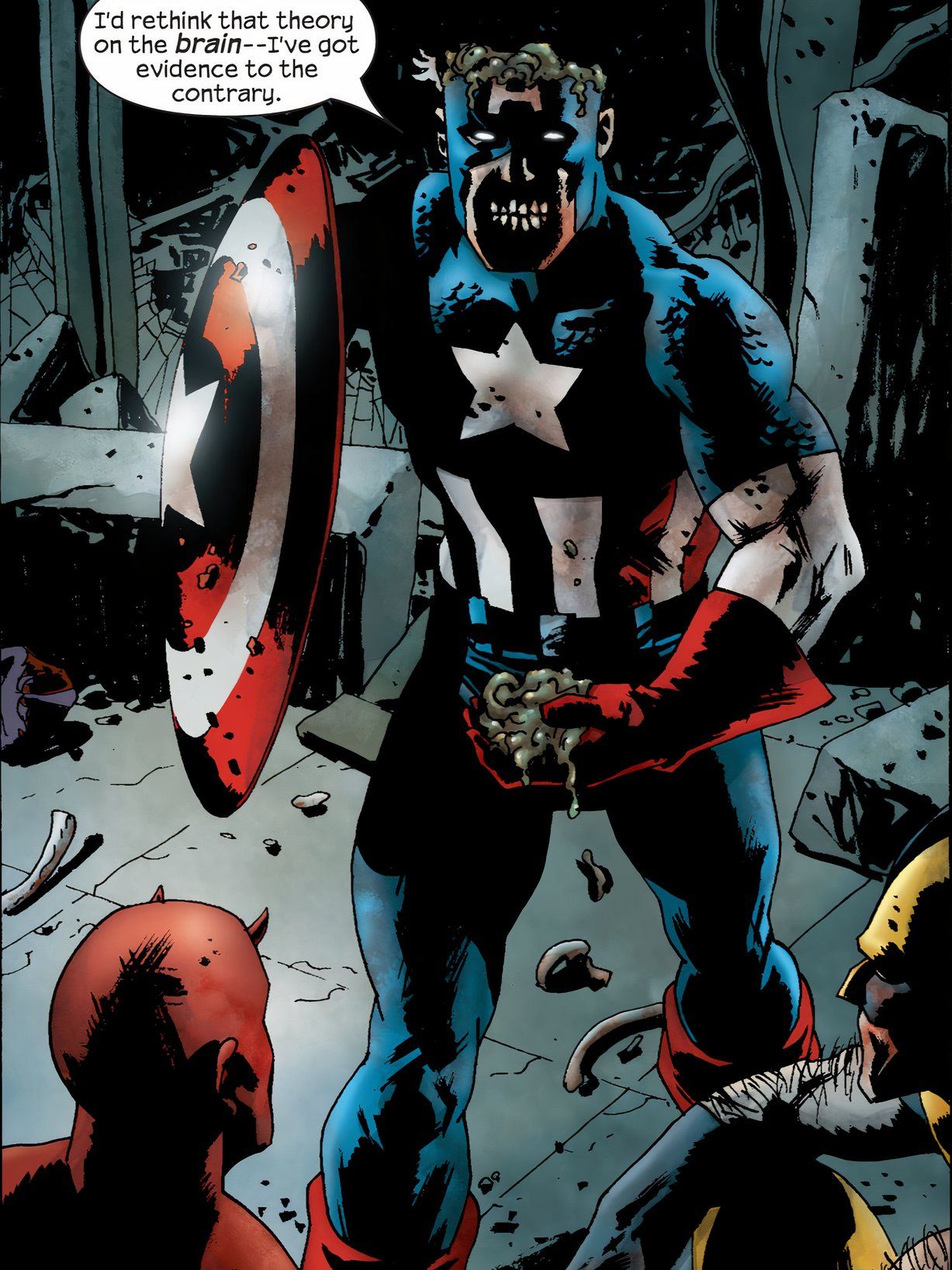

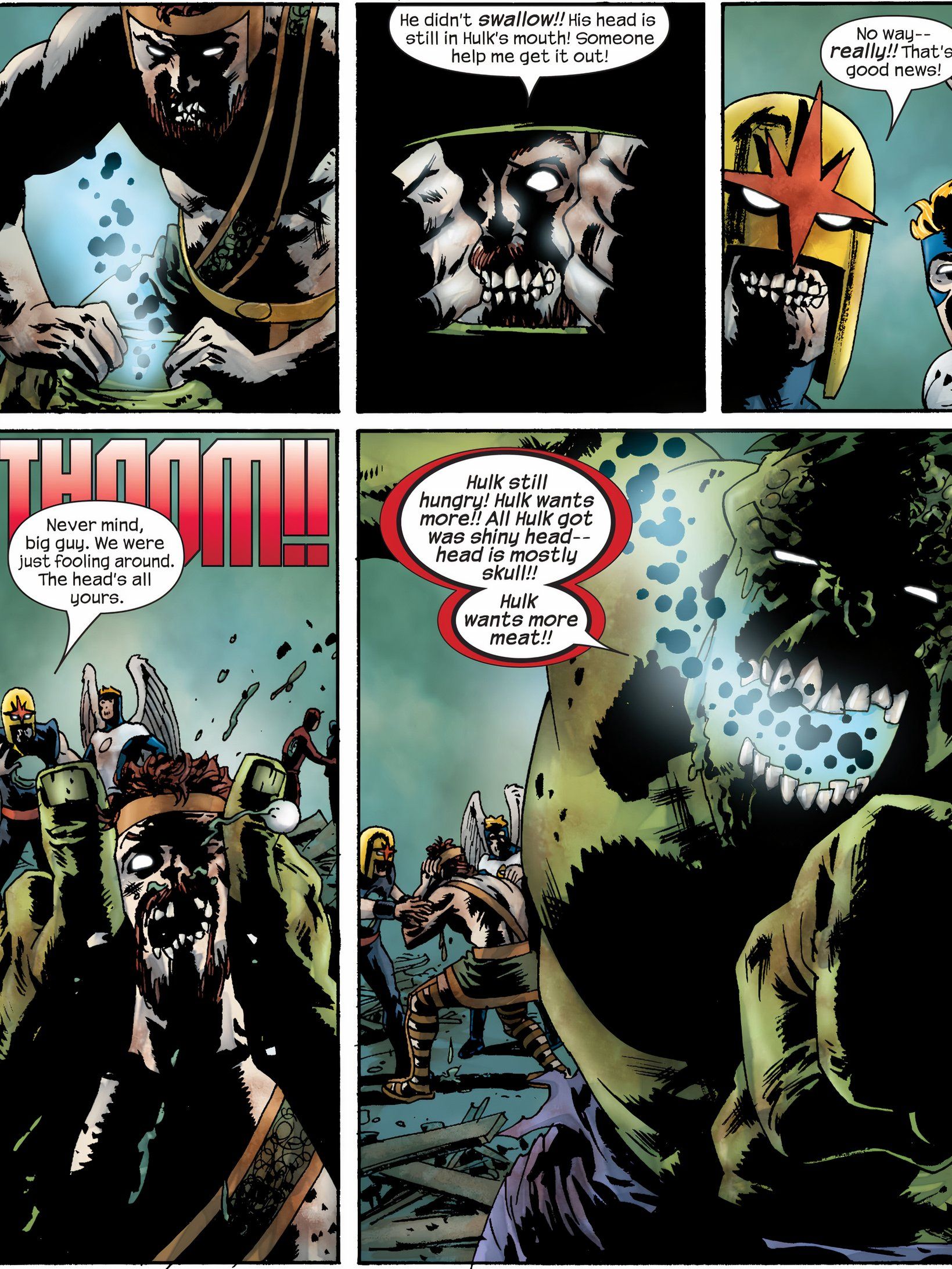
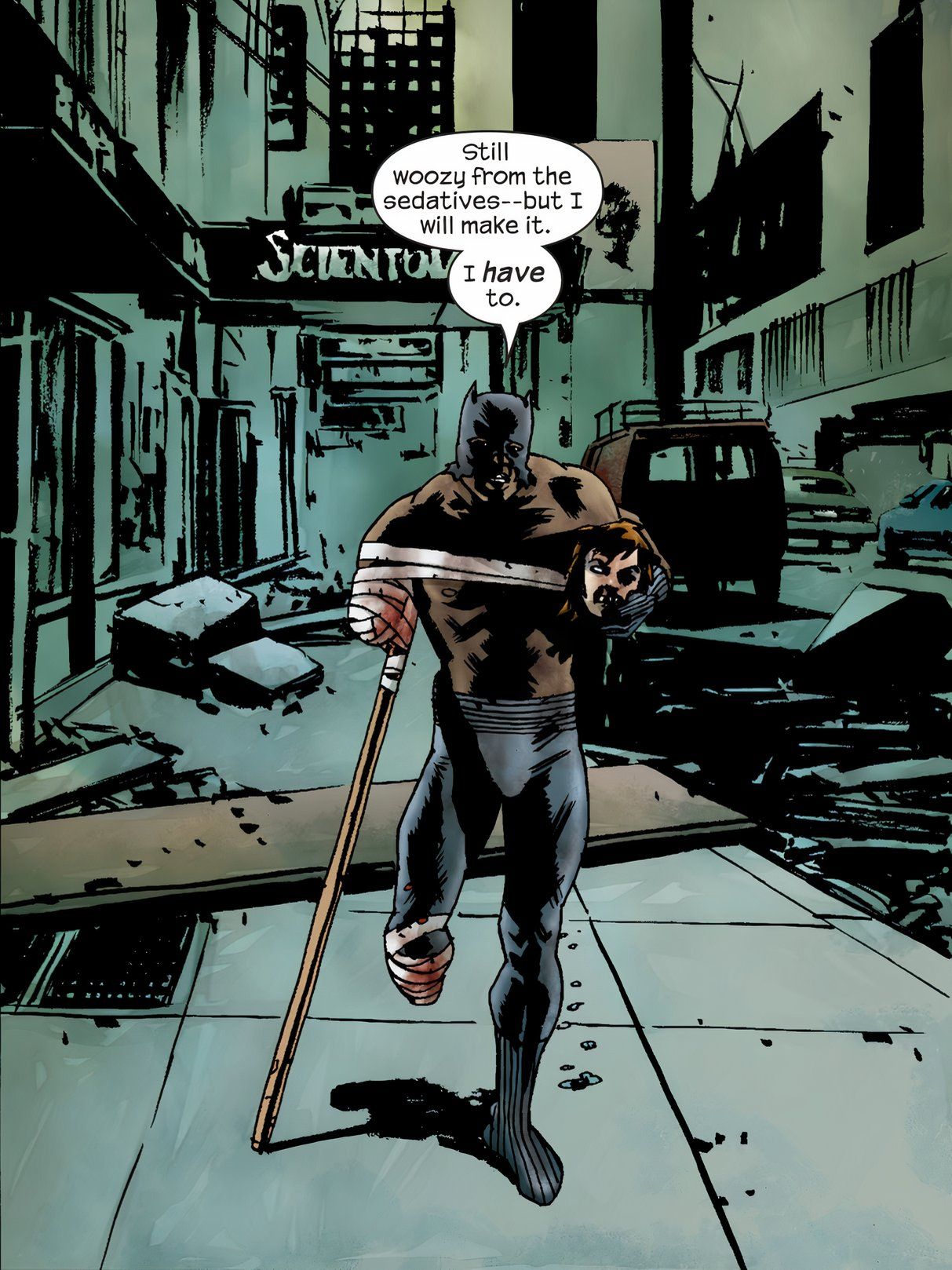
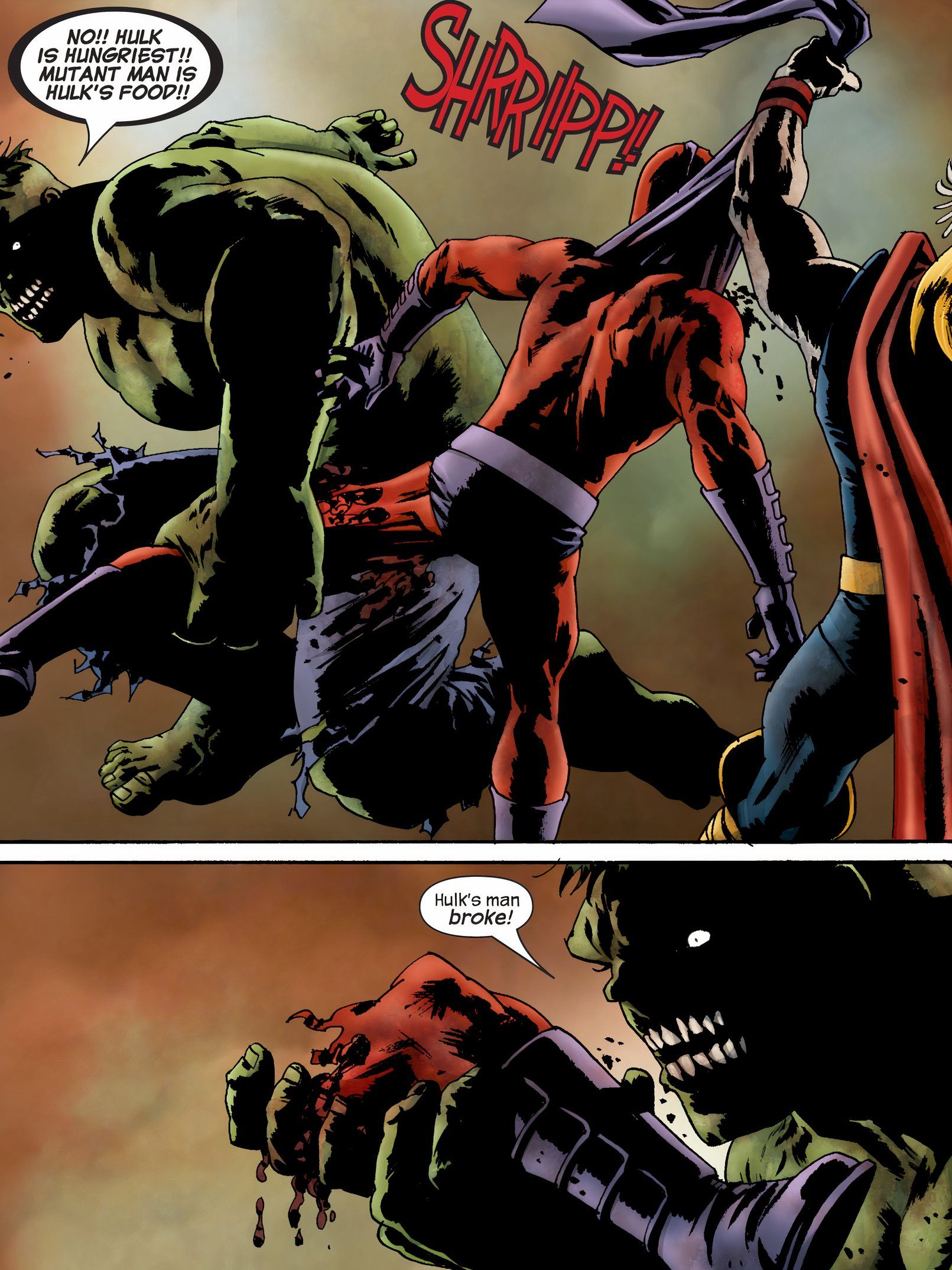
The very first Marvel Zombies series that would later result in multiple sequels, spin-offs, and a Disney+ animated series, the original Marvel Zombies was part of a wave of the mid-2000s’ heightened interest in undead horror. Robert Kirkman, Sean Phillips, and June Chung’s zombified miniseries showed that Marvel Comics were ready to further venture into modern dark tones that had struggled to find its footing in the mainstream since the mid-1990s. In this series, the heroes aren’t surviving the plot’s horror, they are the horror.
The series’ art has a fairly consistent unity to it that remains recognizable despite the obvious representations of decay and rot. Naturally, and for lack of better terms, this miniseries killed in. With the popular emergence of AMC’s The Walking Dead, inspired by the comic series also written by Robert Kirkman, Marvel Zombies felt like another chapter of that era’s obsession with zombies rather than just another cash grab at the topic’s popularity.
4Dark X-Men
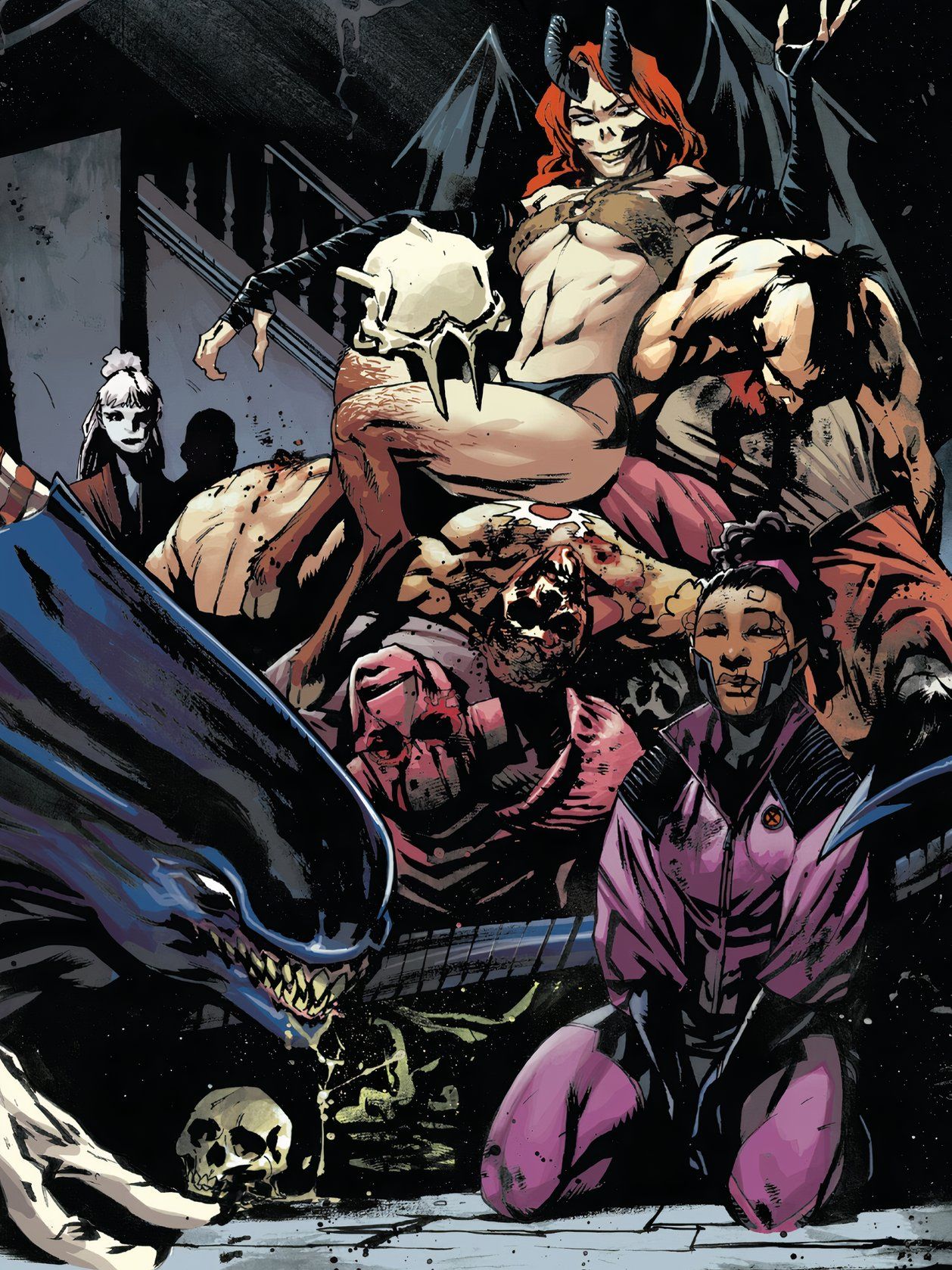
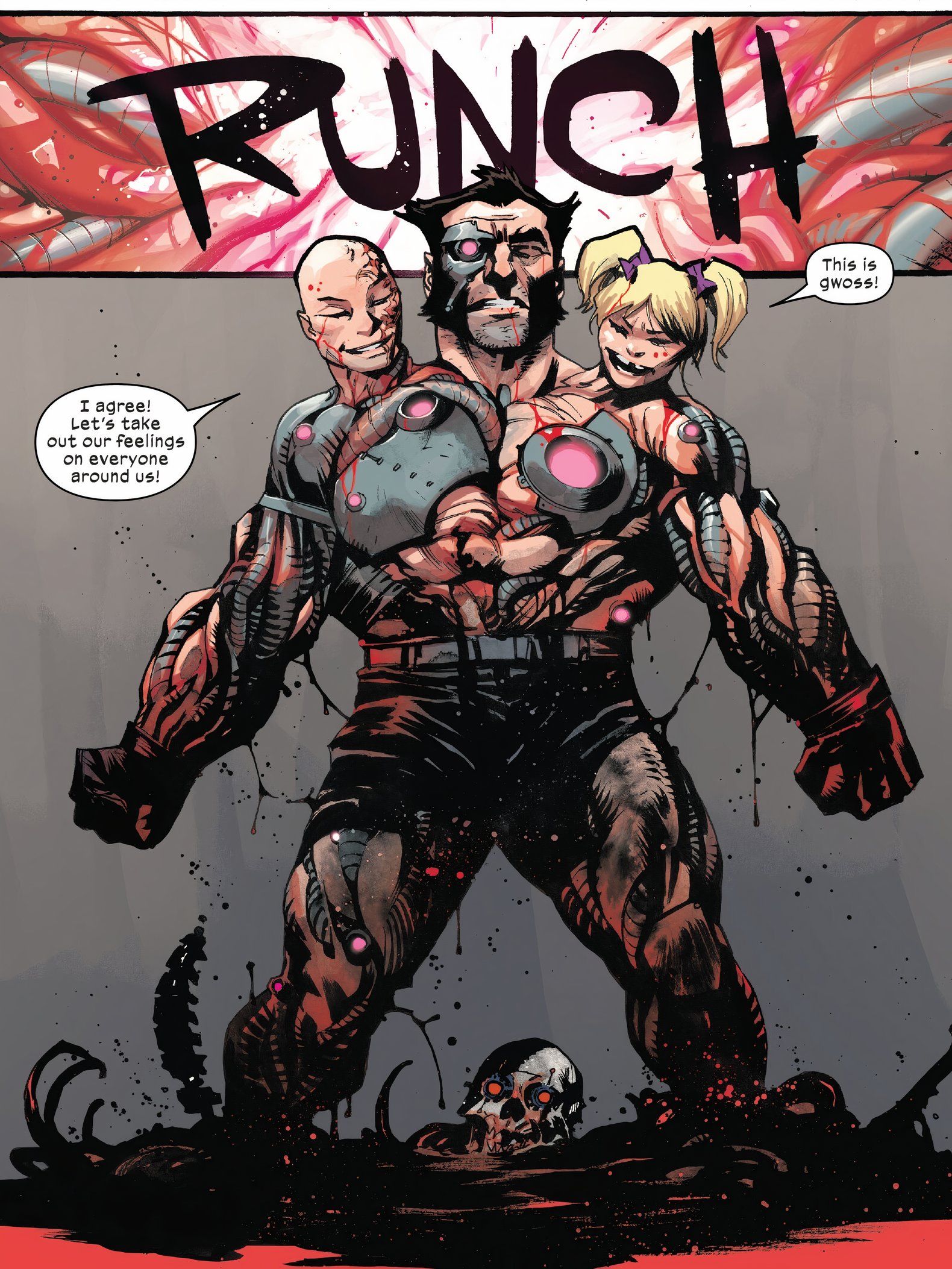
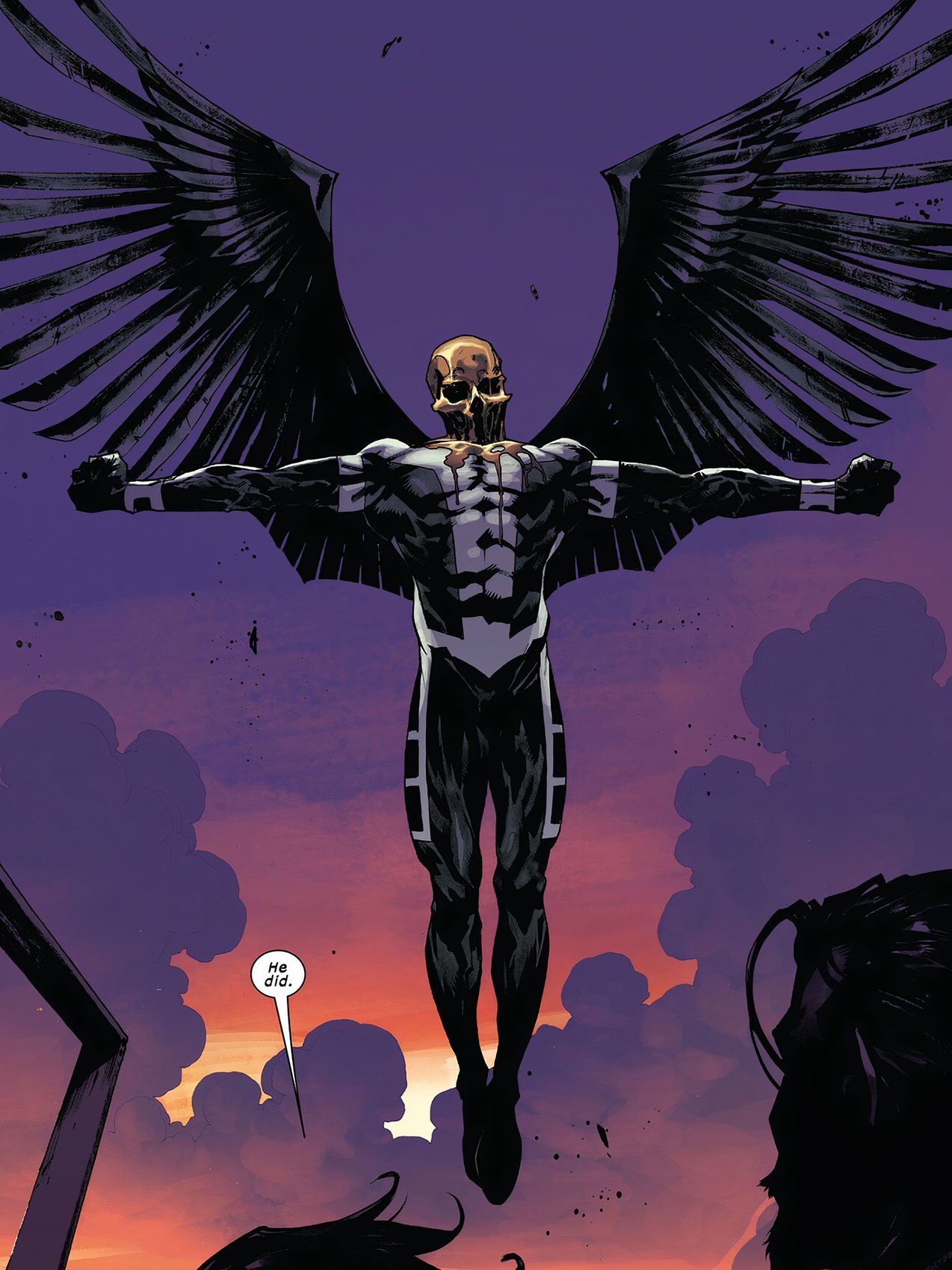
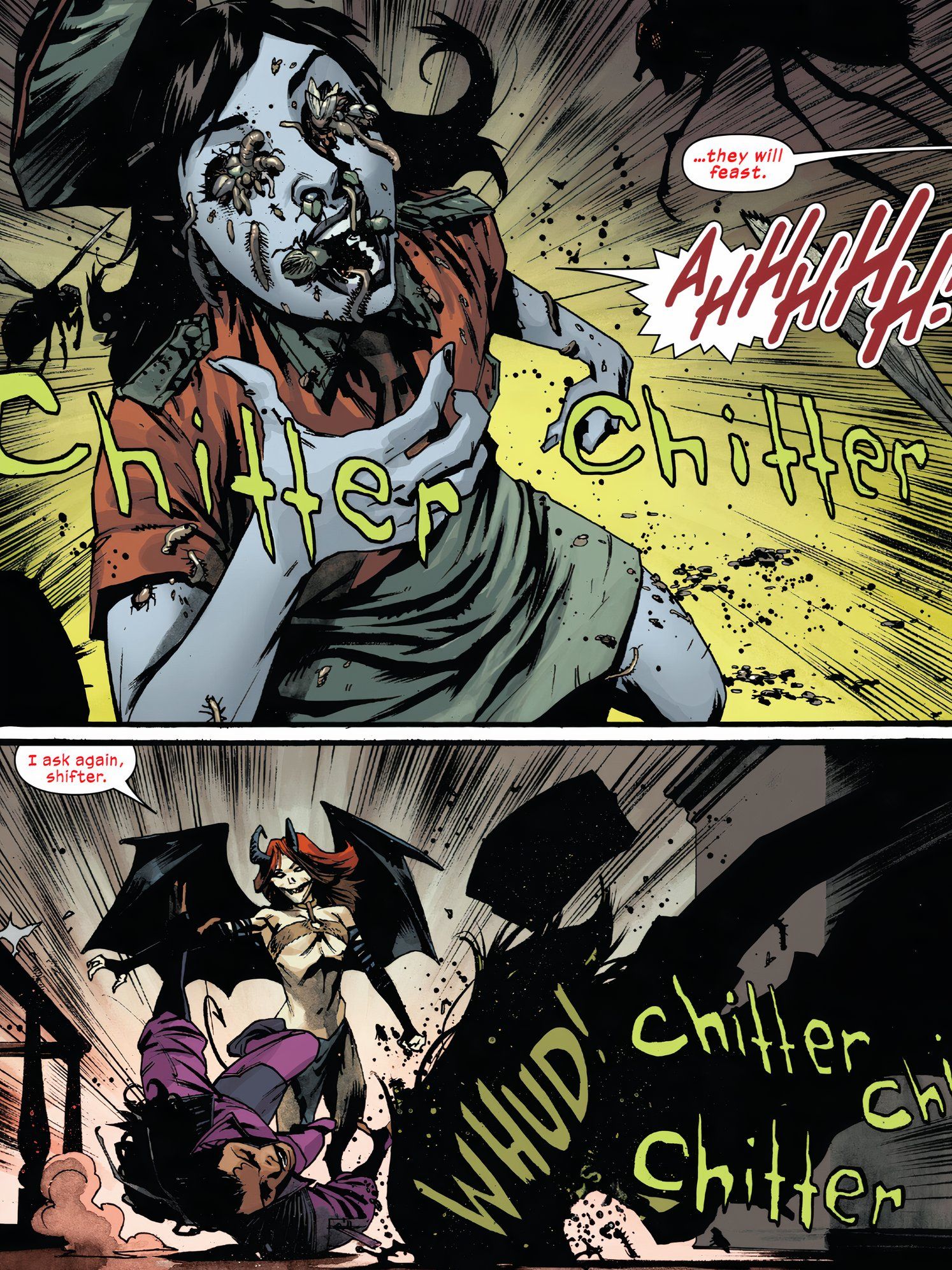
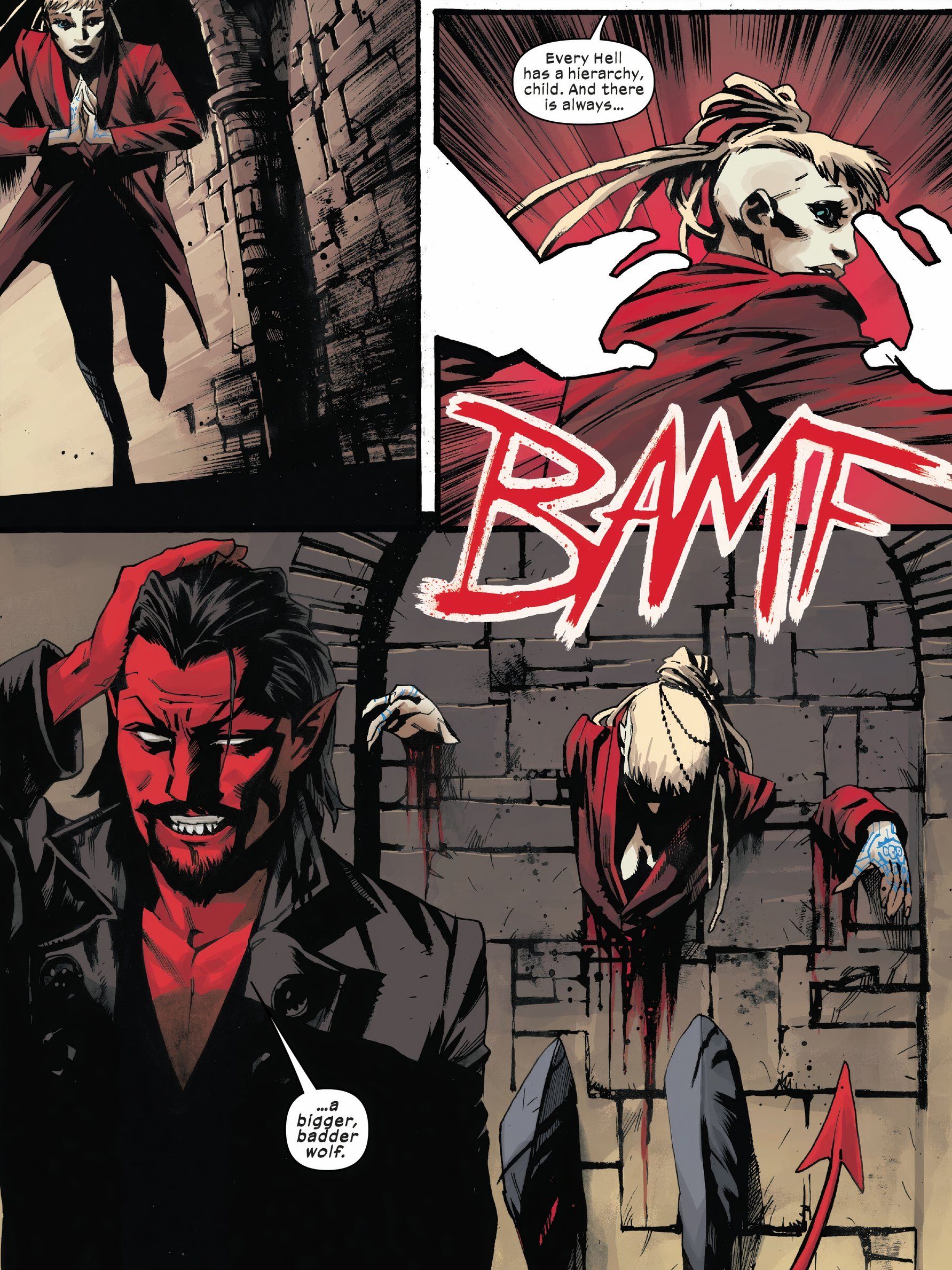
While the X-Men do occasionally dabble in the mystic arts, no character better leads those adventures than Madelyne Pryor. This miniseries by Steve Foxe, Jonas Scharf, and Frank Martin, takes readers in a significantly darker direction than the Krakoa Era had traditionally offered. The art itself is clean and polished, but its violent subject matter is what fully delivers the visual horror.
Jonas Scharf and Frank Martin employ a wide variety of horrific subjects that are bound to attract just about every horror fan’s favorite medium. From waves of blood and gore, to infectious masses of fungus and insects, to matters of religious terror, this series has it all. The overall tone of the miniseries is so well done that by the time the more common X-Men show up, they almost feel out of place after the brutality of it all.
5Ghost Rider (2022)
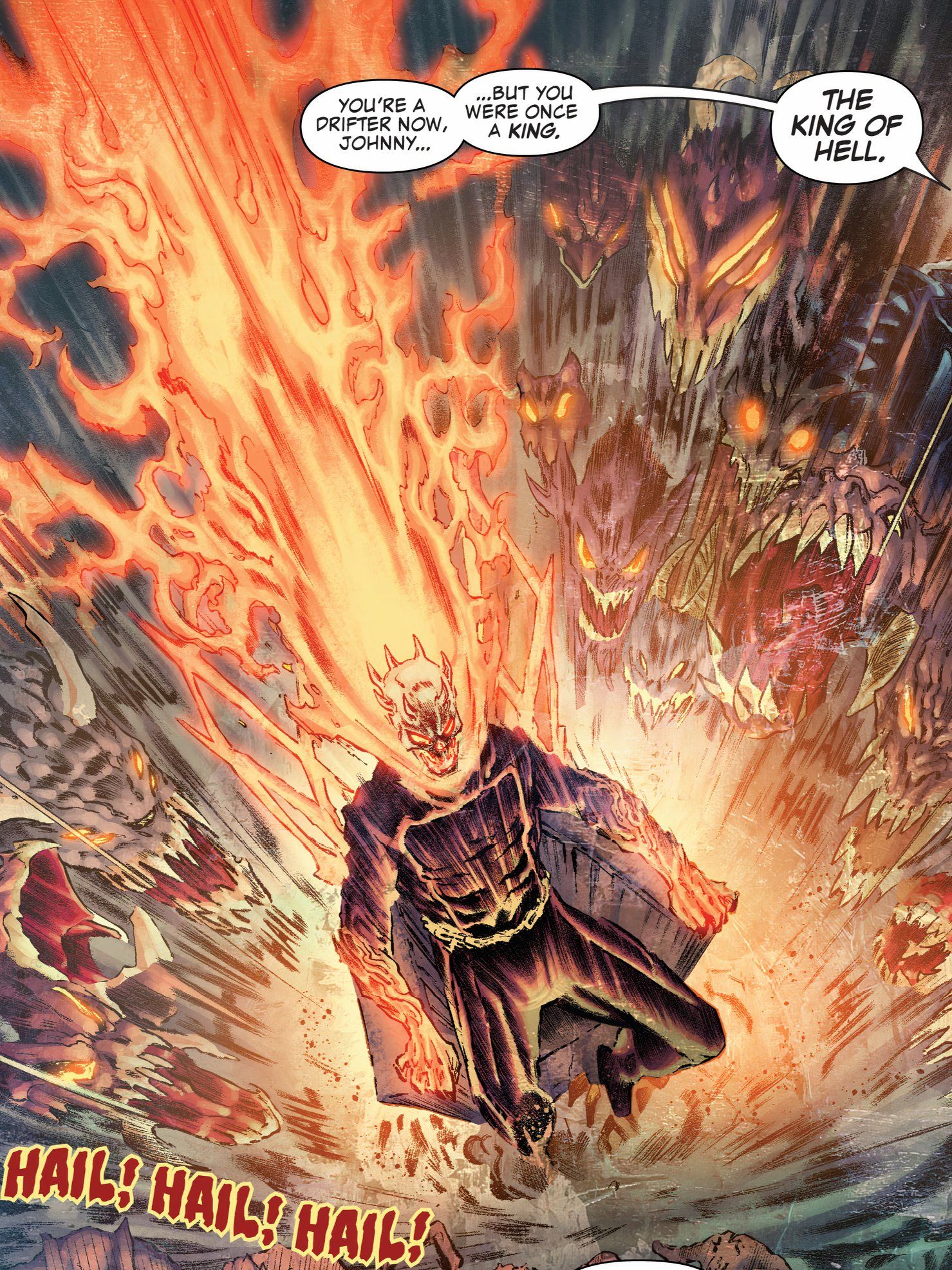
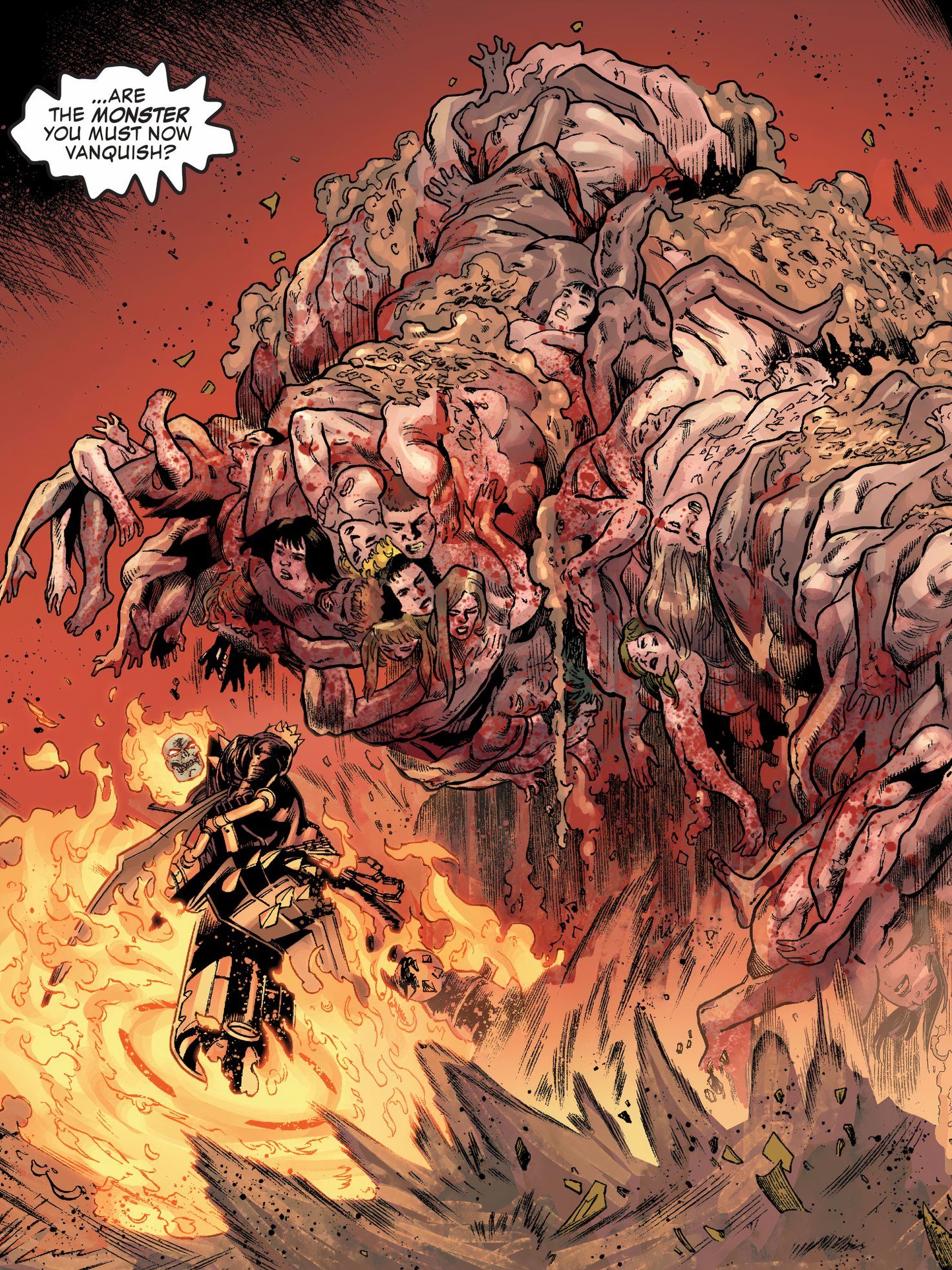
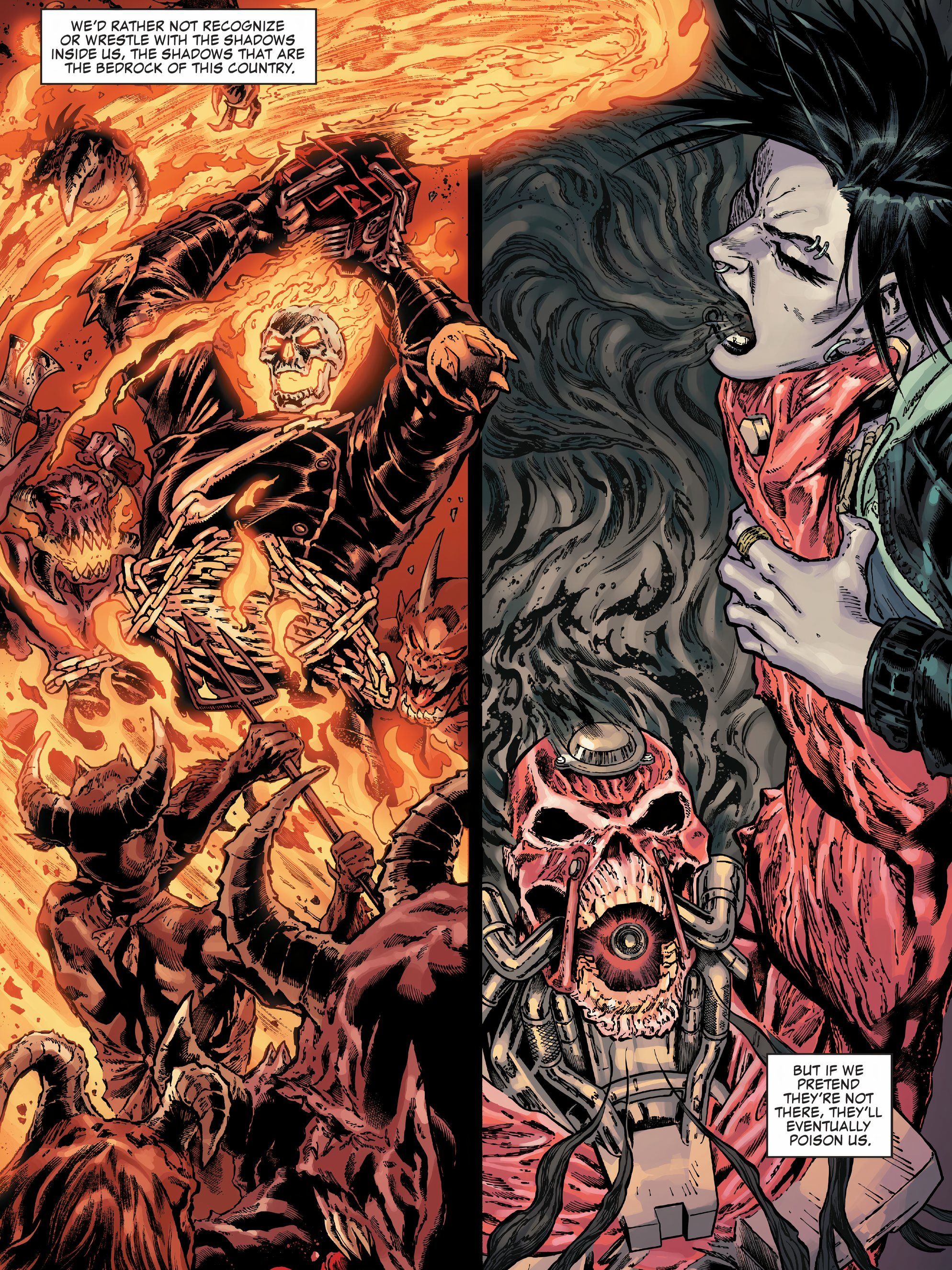
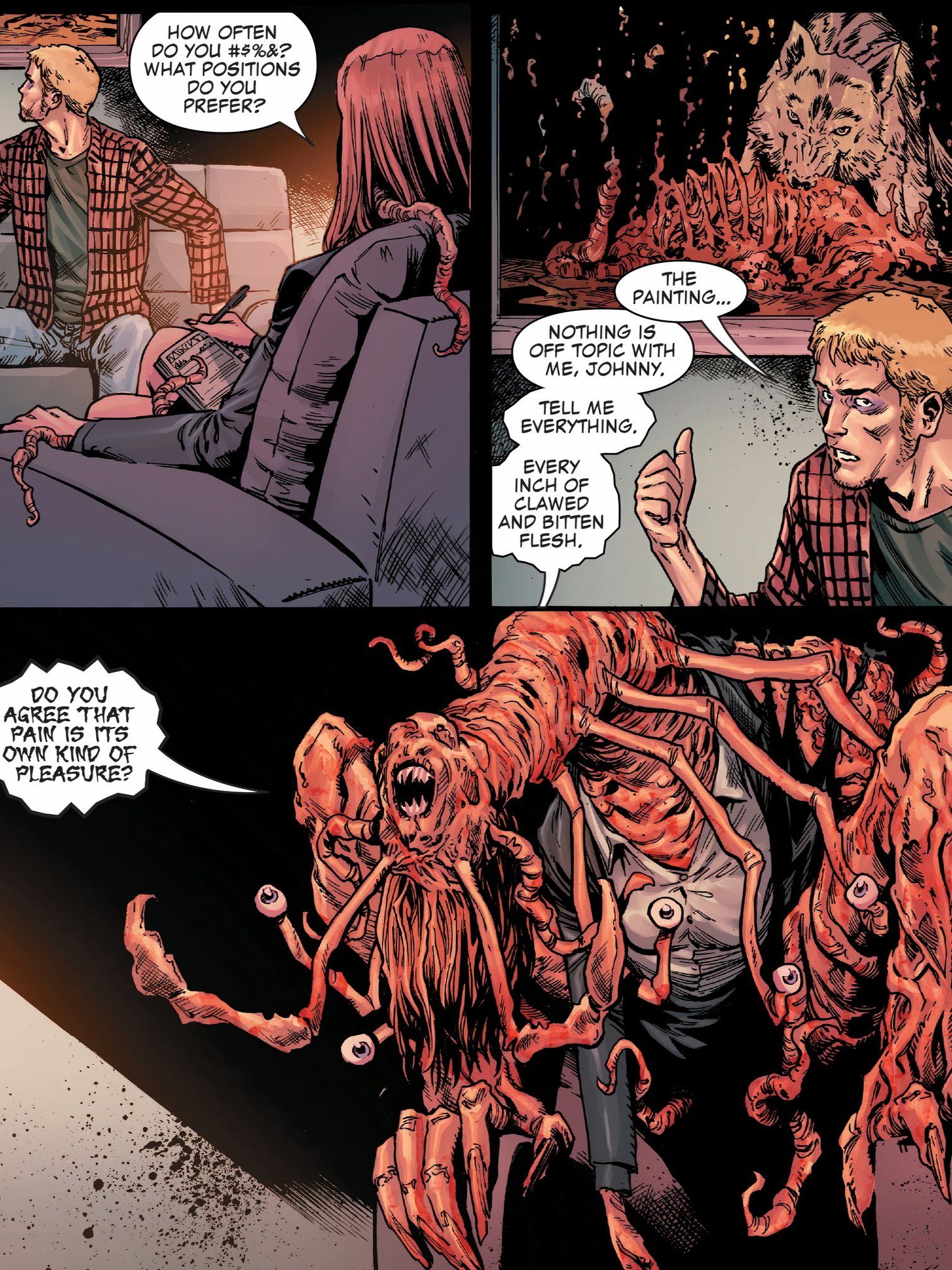
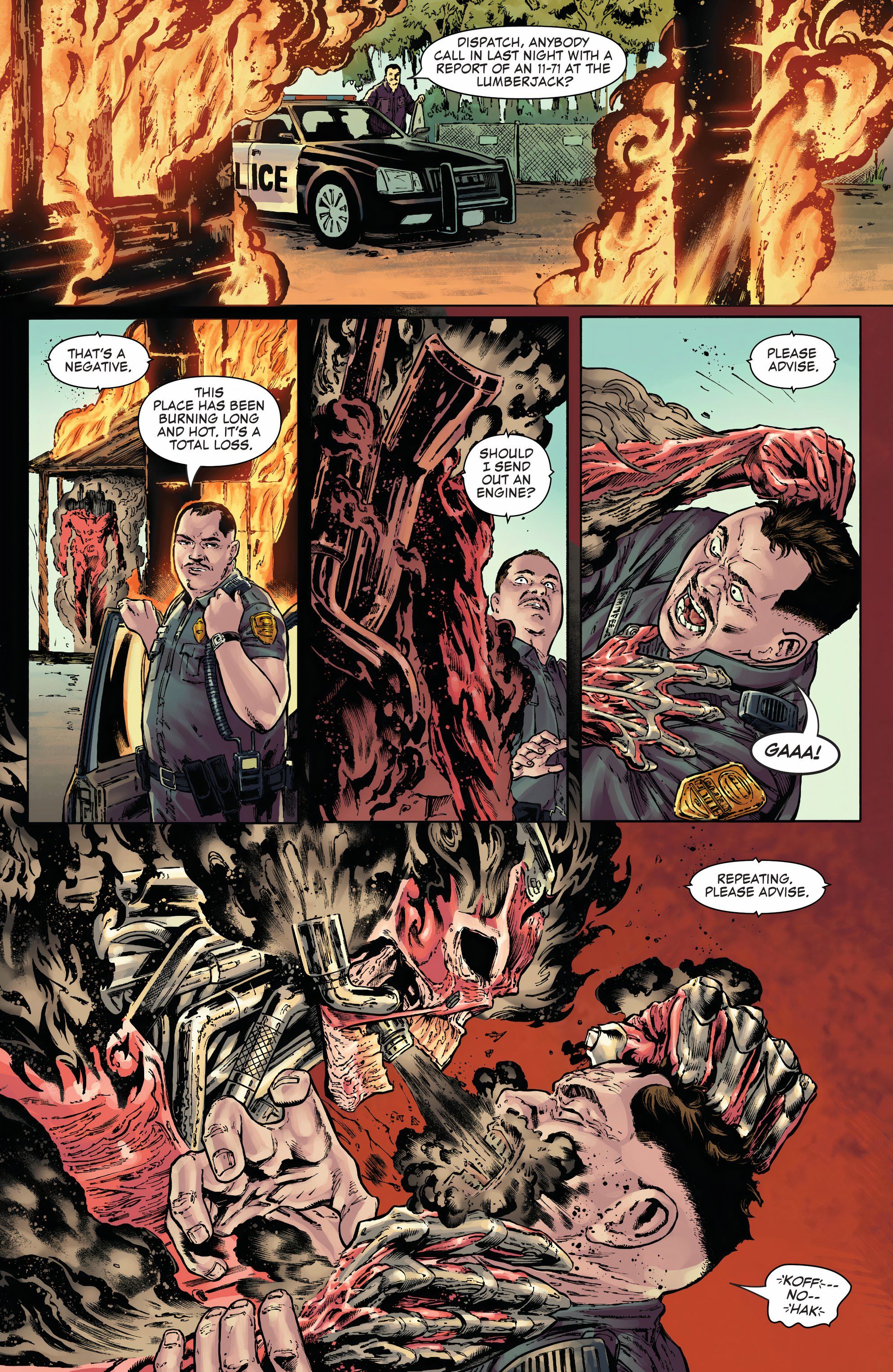
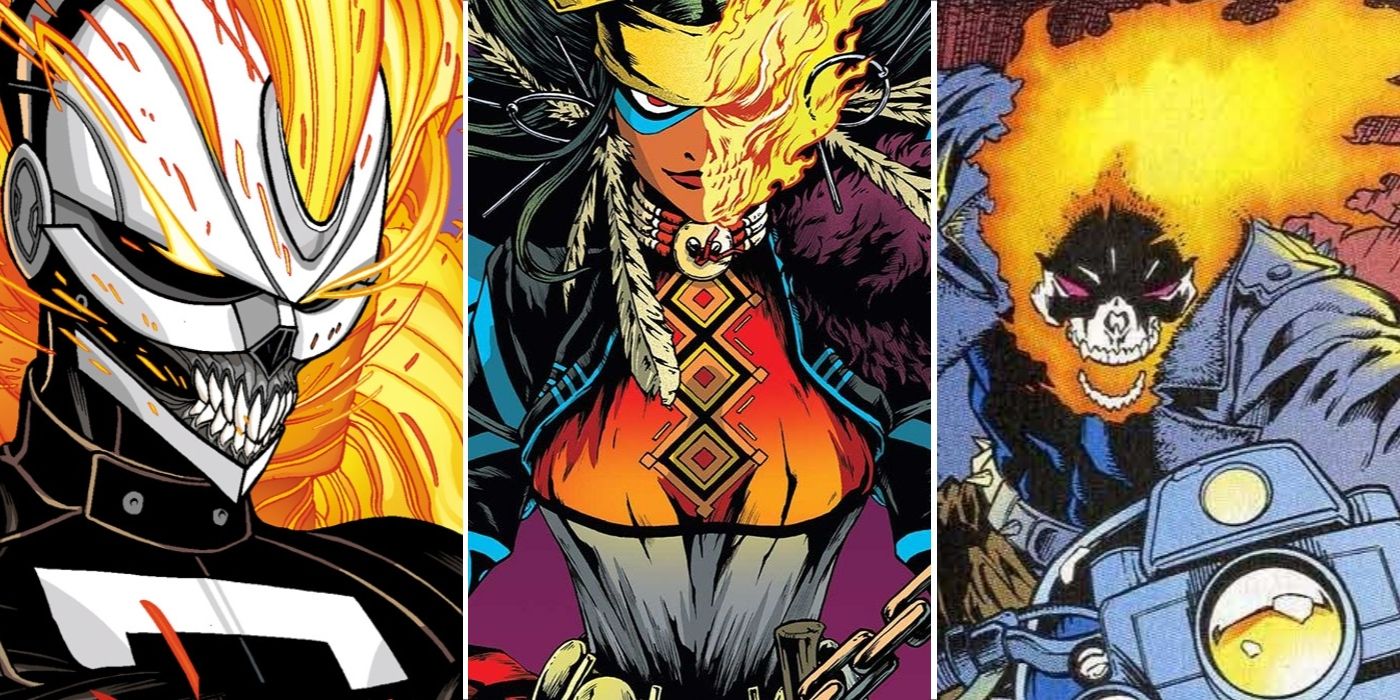
Ghost Rider has always been an easy subject to turn terrifying. Demons, brimstone, and hellfire make for obvious horror focal points. However, the 2022 Ghost Rider series, by Benjamin Percy, Cory Smith, and Bryan Valenza, really cemented how agonizingly hellish Johnny Blaze’s life is. Blaze’s daily existence is more than Mephisto and his next-to-nothing leotard; it’s a hellscape of mangled corpses and ruthless demonic killers.
Throughout the series, Blaze is haunted by a demon born from his own soul. The demon known as Exhaust is a brutally ruthless monster that suffocates his victims before infecting them with his demonic spawns. Rather than depending on Ghost Rider’s traditional religious horror , which the series definitely makes use of, this comic series pushes the literary and visual bounds of the true torturous nature of Hell. The hell that Ghost Rider carries with him is more than just penance, it’s agony.
All 35 Versions of Ghost Rider, Ranked From Weakest To Most Powerful
From ‘mashup’ variants and Spirit of Vengeance-adjacent characters to lore-heavy mainstays, here are the 30 versions of Ghost Rider, ranked by power!
6Hellstrom: Son of Satan
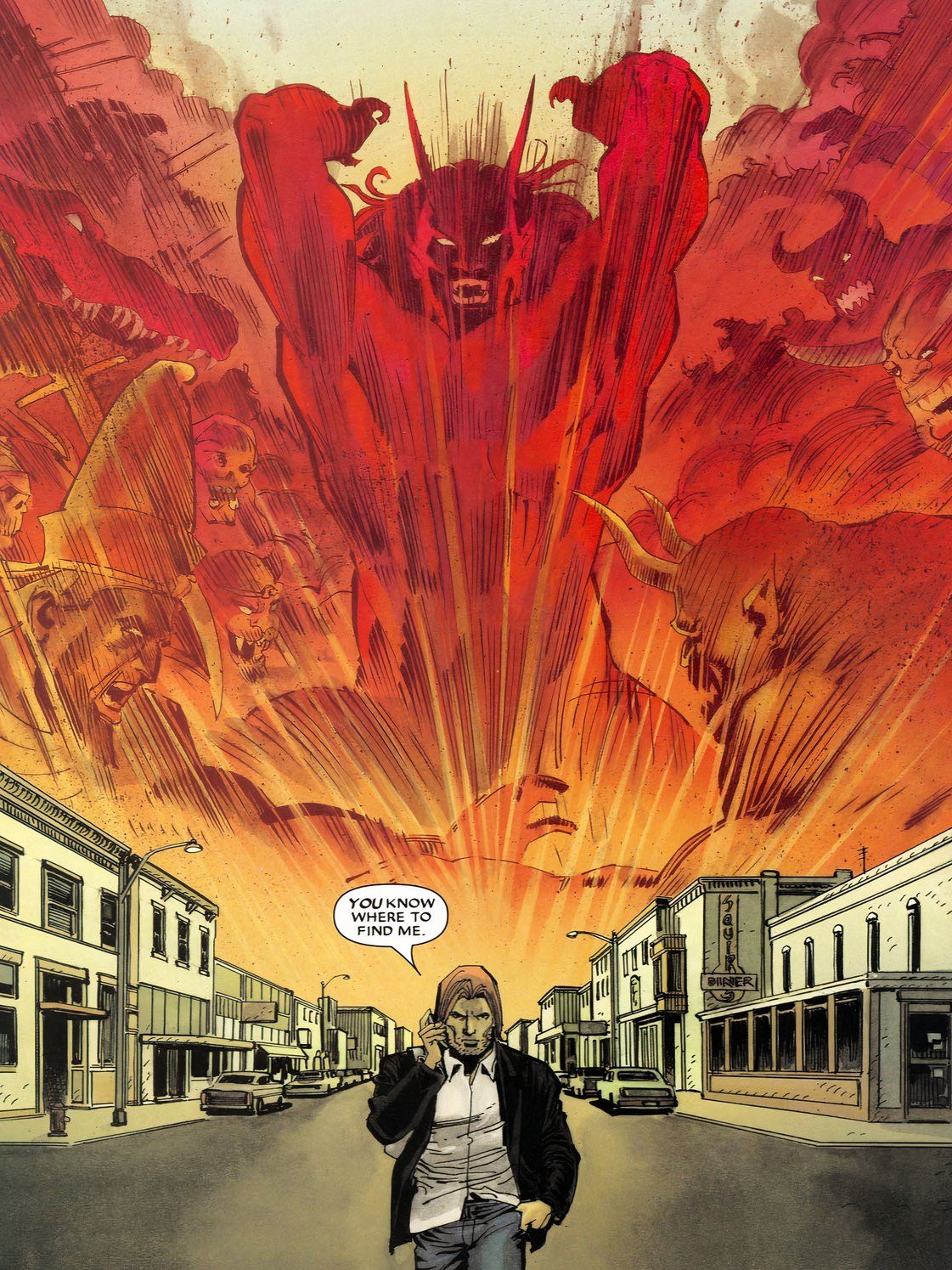
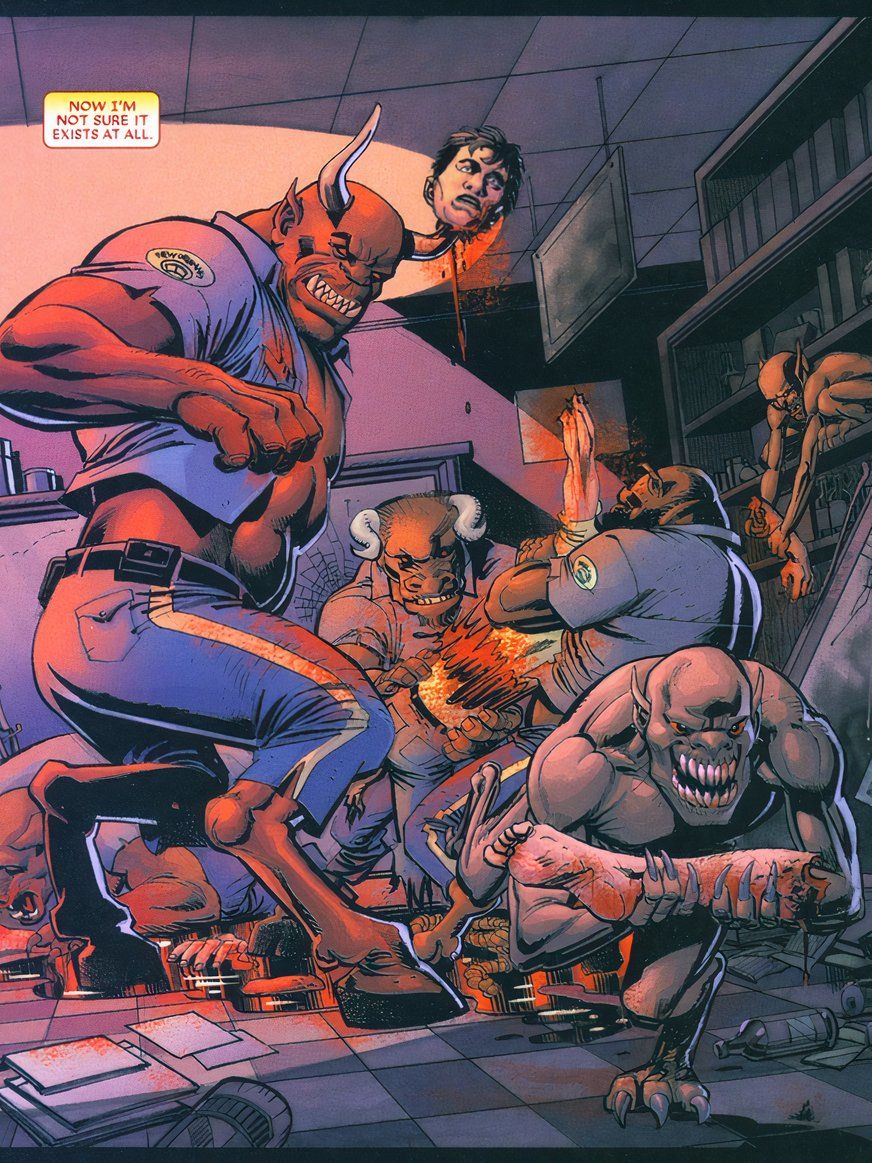
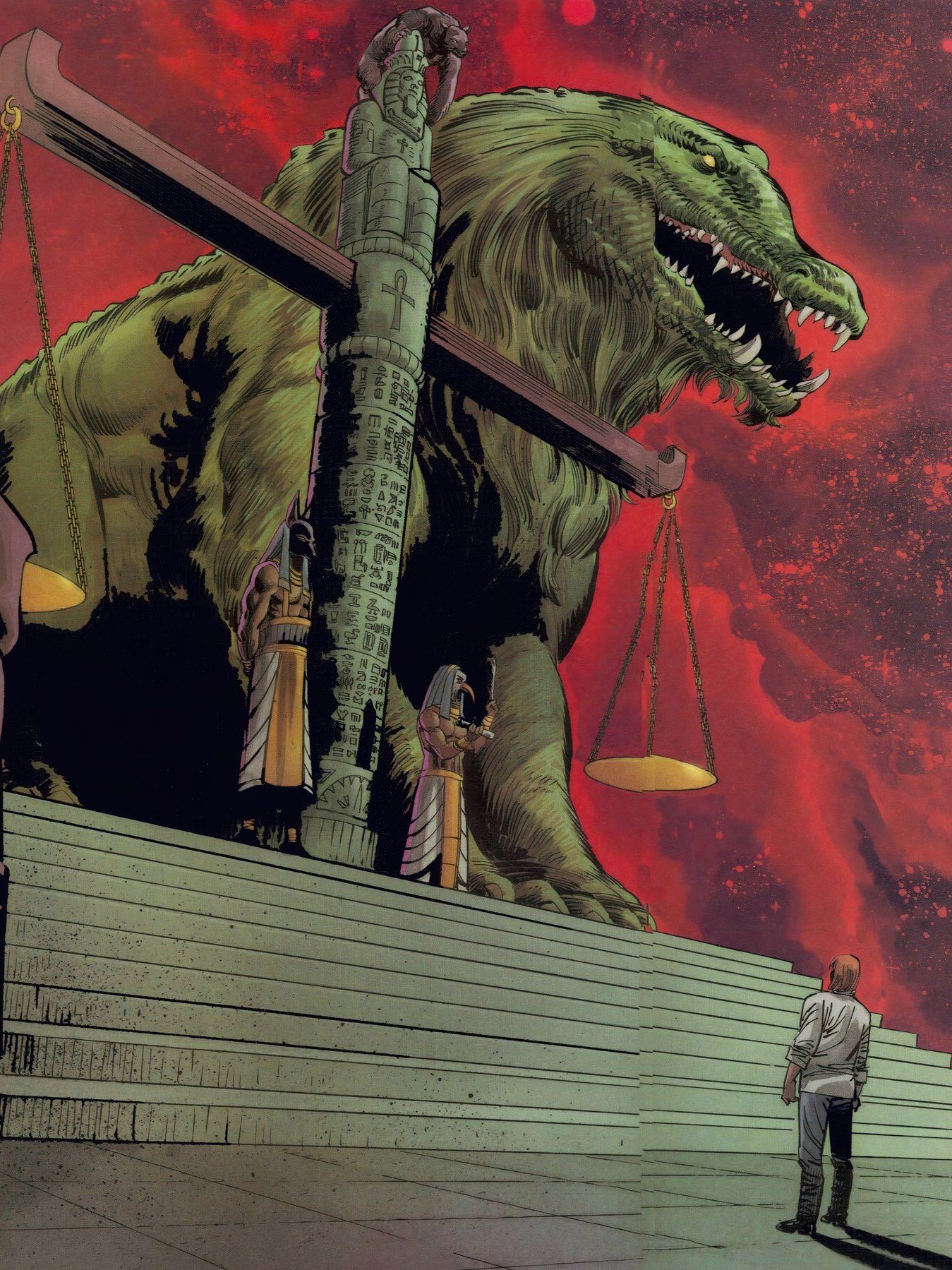
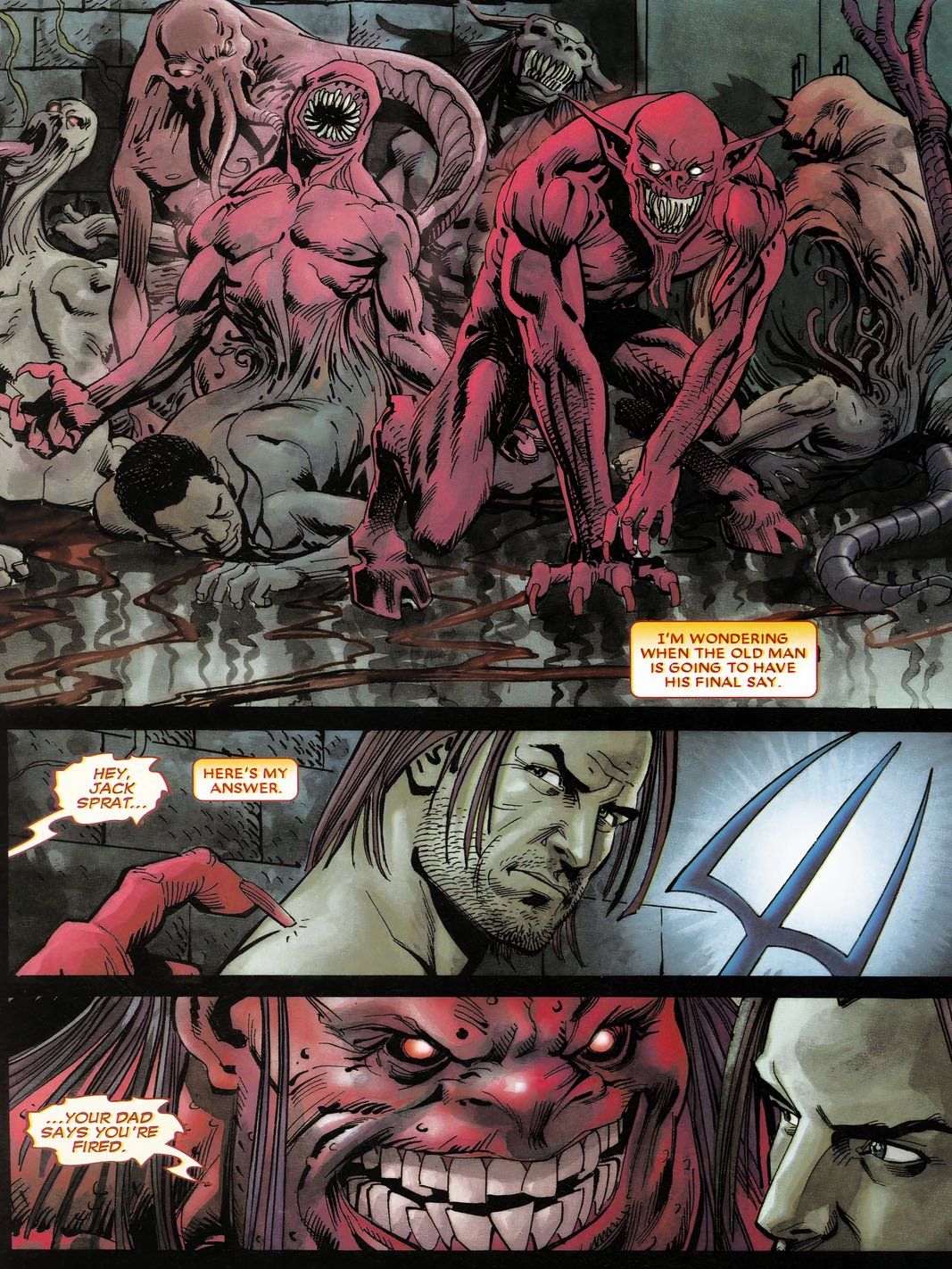
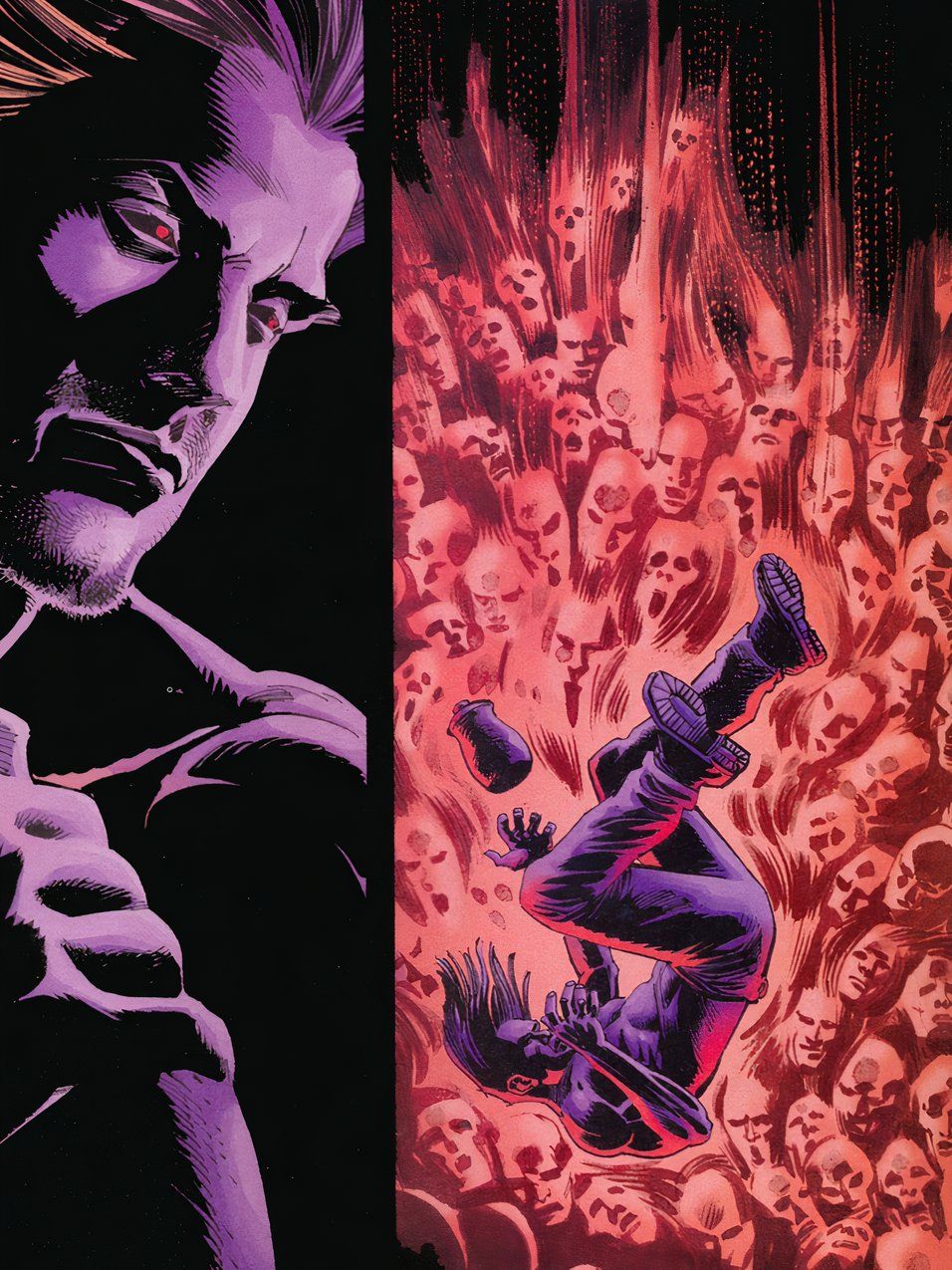
Daimon Hellstrom has always been a difficult character to stylistically peg down. Just about every writer and artist has taken the character in their own direction. However, Alex Irvine, Russell Braun, and Giulia Brusco’s Hellstorm: Son of Satan series properly utilized the extra freedom MAX Comics gave horror creators at the time. No longer subject to Marvel’s stricter standards, this miniseries was able to push the limits of “appropriate” artistic expression, making the overall product feel specifically designed for adults.
While Hellstorm makes use of many of the same stylistic standards that other entries on this list use, Russell Braun and Giulia Brusco’s use of dynamic shading is what pulls the overall aesthetic off. It’s a simple tactic but an effective one. In combination with the frequent use of ambient lighting, the series’s art is full of rich visual textures, making the overall piece feel more real than the prominent flat colored comic art of the time.
7Incredible Hulk (2023)
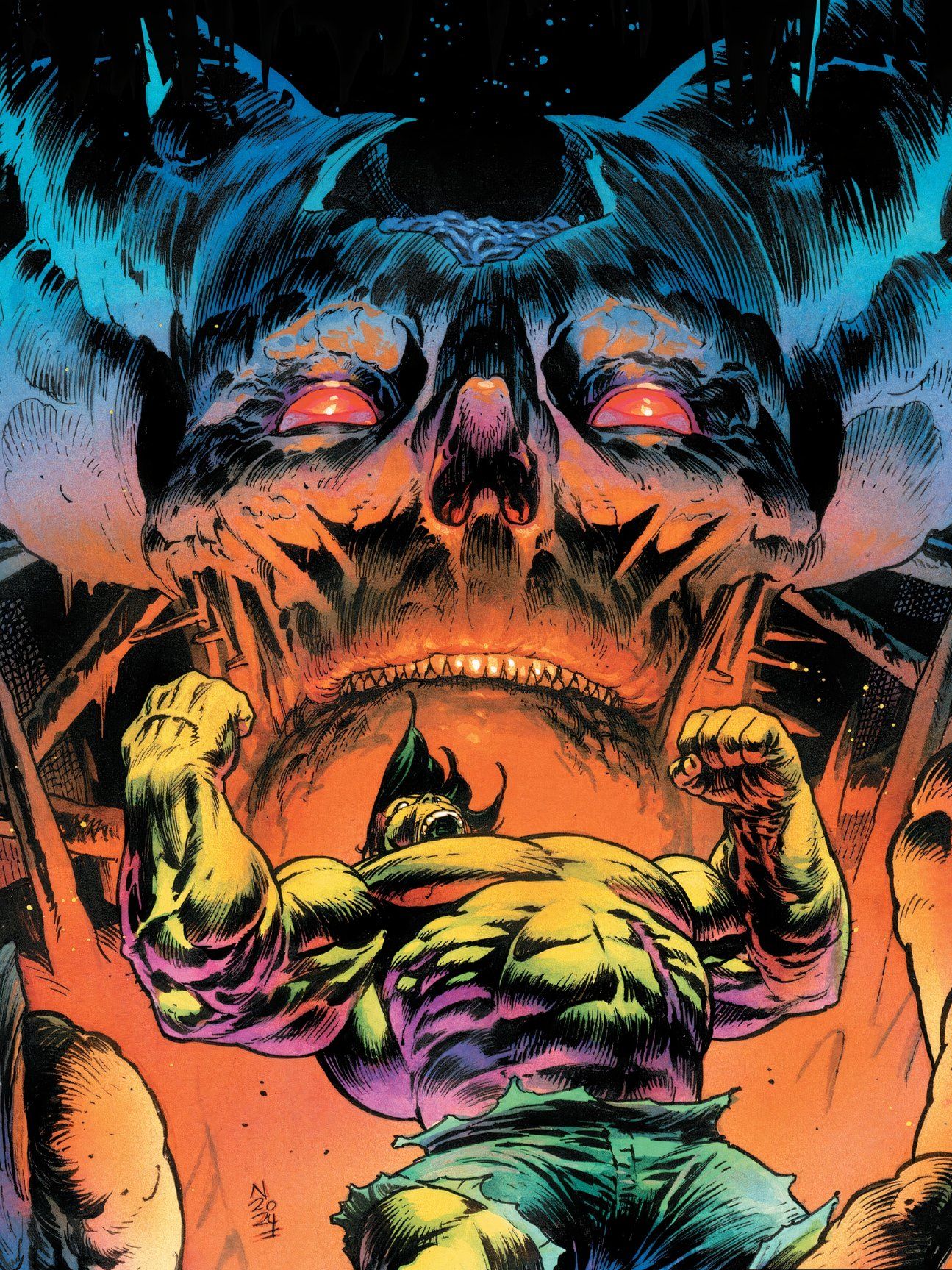
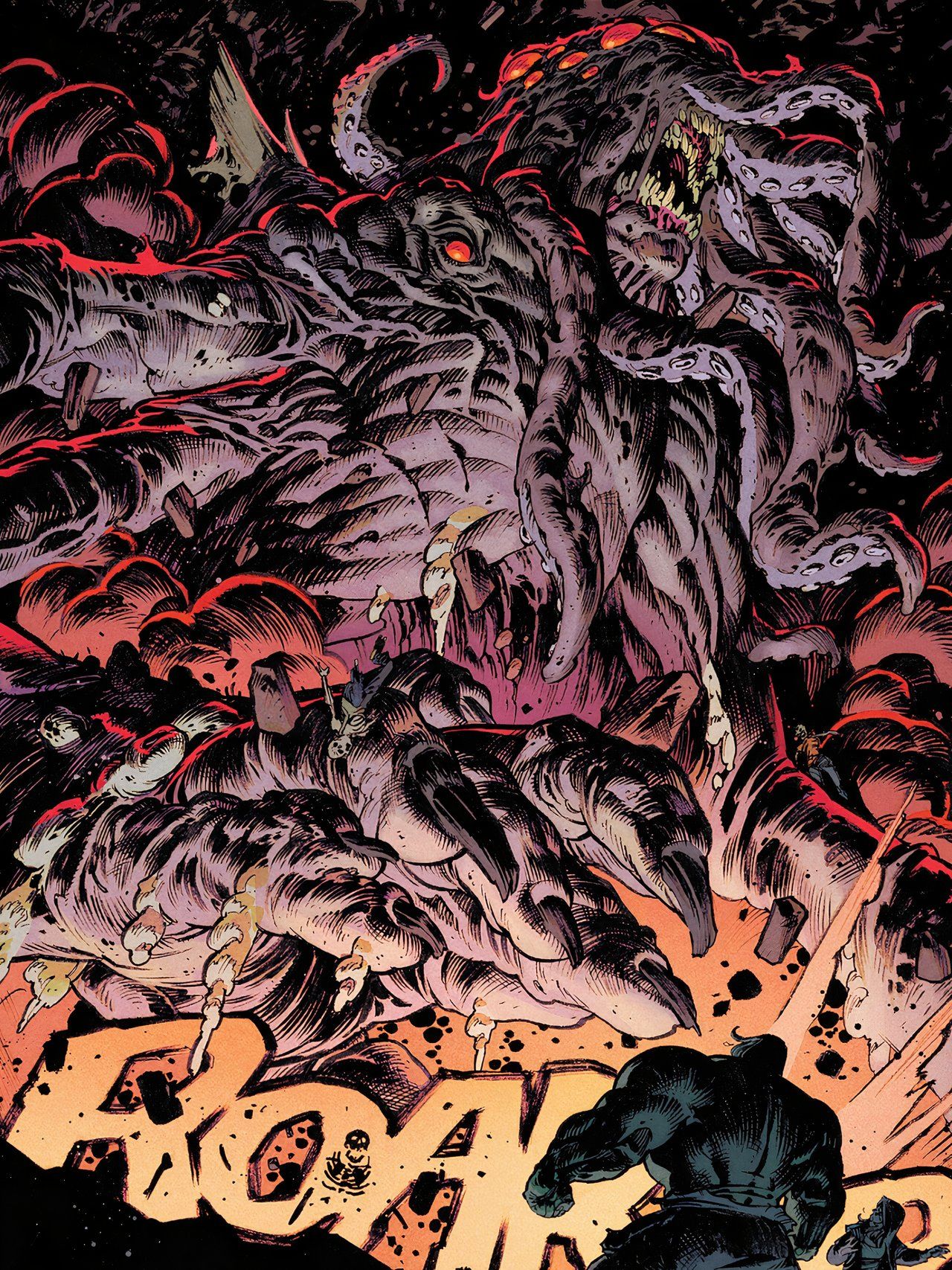
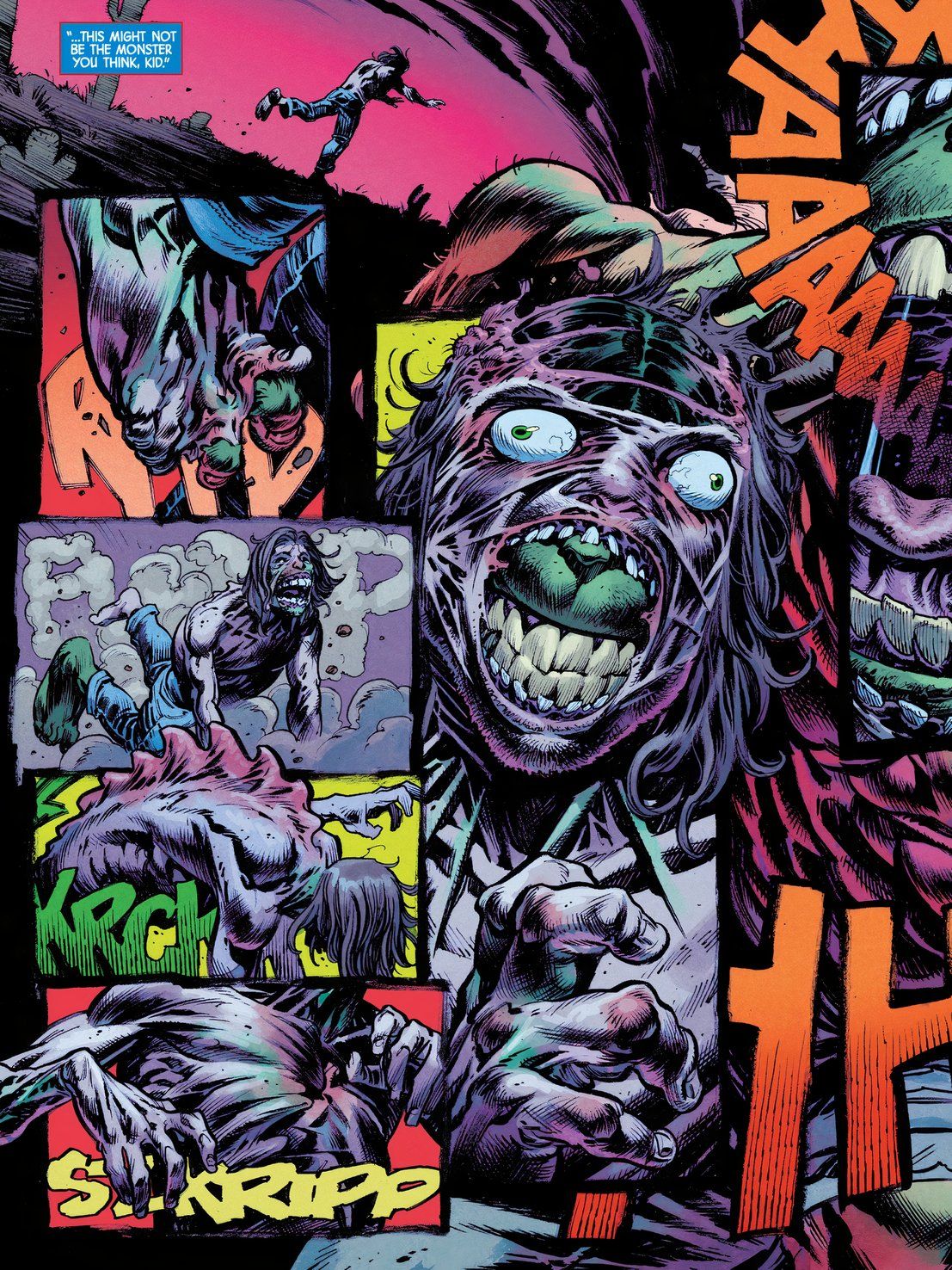
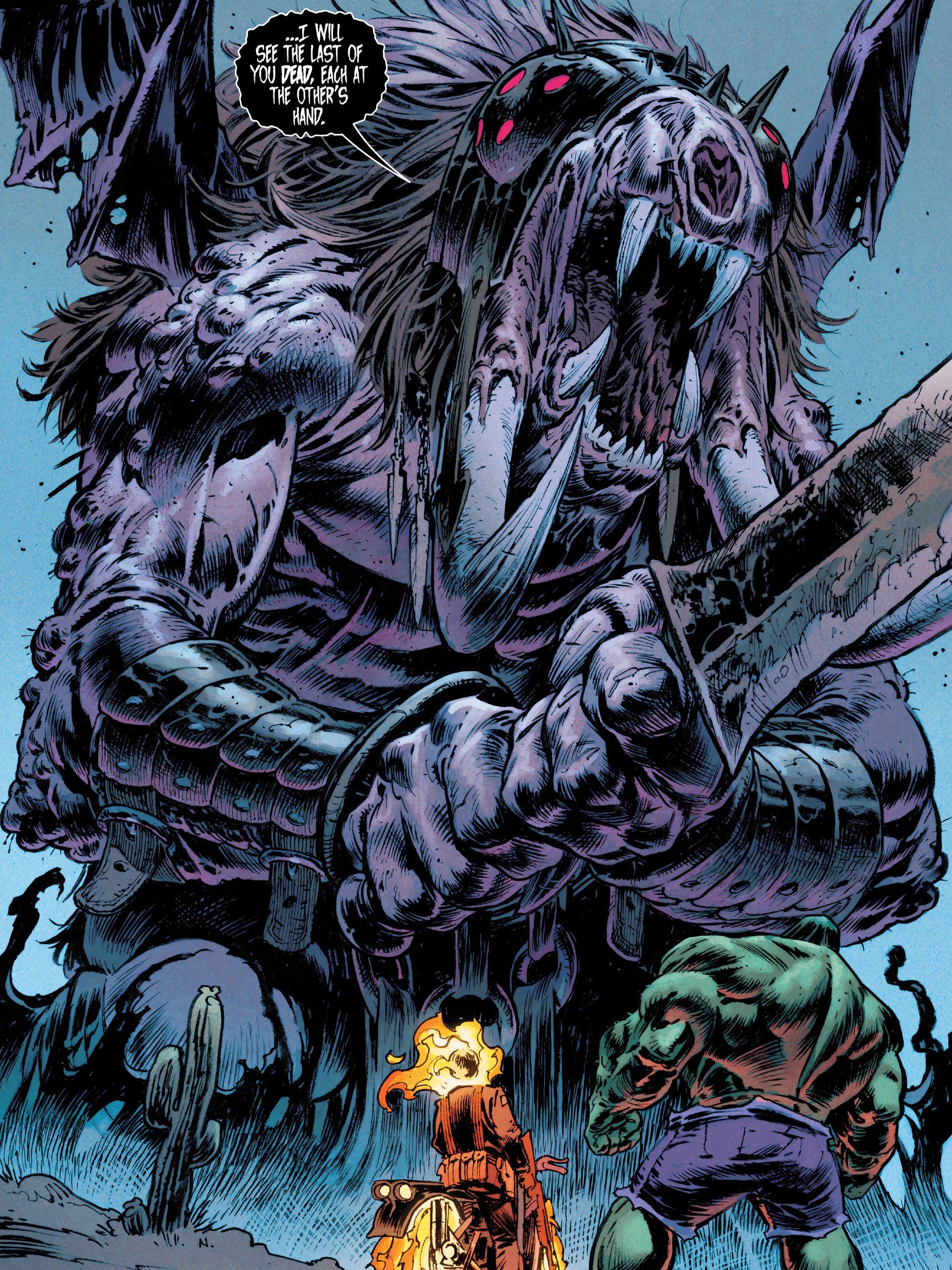
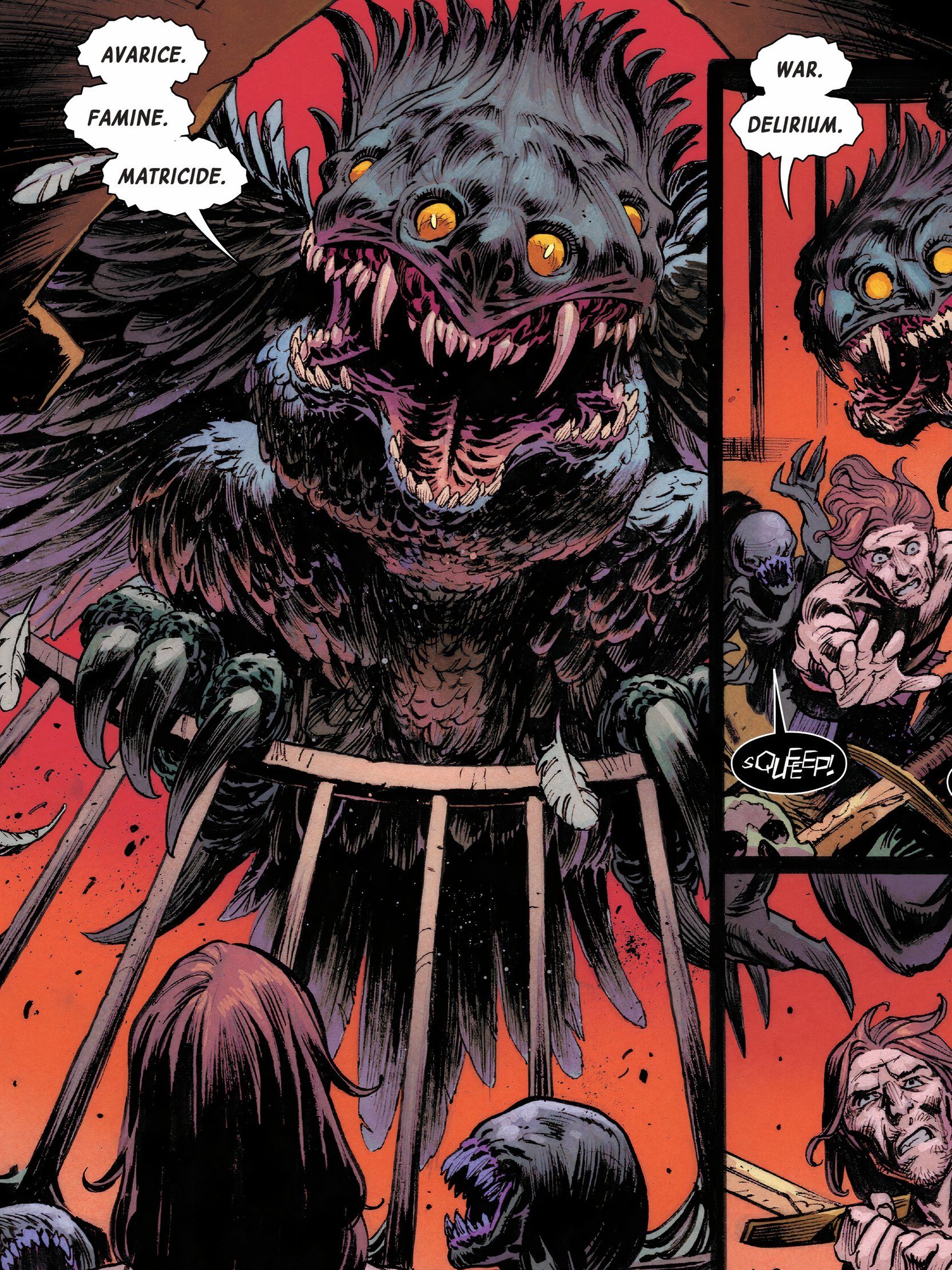
A spiritual successor to the Immortal Hulk series, the Incredible Hulk, by Phillip Kennedy Johnson, Nic Klein, and Matt Wilson, reintroduces the Hulk to the horror genre. However, this time Klein chose to explore a different type of horror. Incredible Hulk Incredible Hulk is a terrifying tale is a terrifying tale that places the Hulk right in the middle of the folk horror and cosmic horror genres. The monsters have become less amorphous, instead embracing the twisted visage of monsters from folk tales and urban legends.
Klein leans heavily on size as a means of displaying terror. Normally, the Hulk is the biggest monster in the room. However, the series’ boss-like enemies tower over the Hulk. It would be remiss to talk about this series without mentioning its colorist, Matt Wilson. Incredible Hulk’s matte painting style gives the series an aged feel. Just like the horrors the Hulk is forced to face, the series’s coloring exudes a sense of weathered age and an artistic era long past.
8The Darkhold
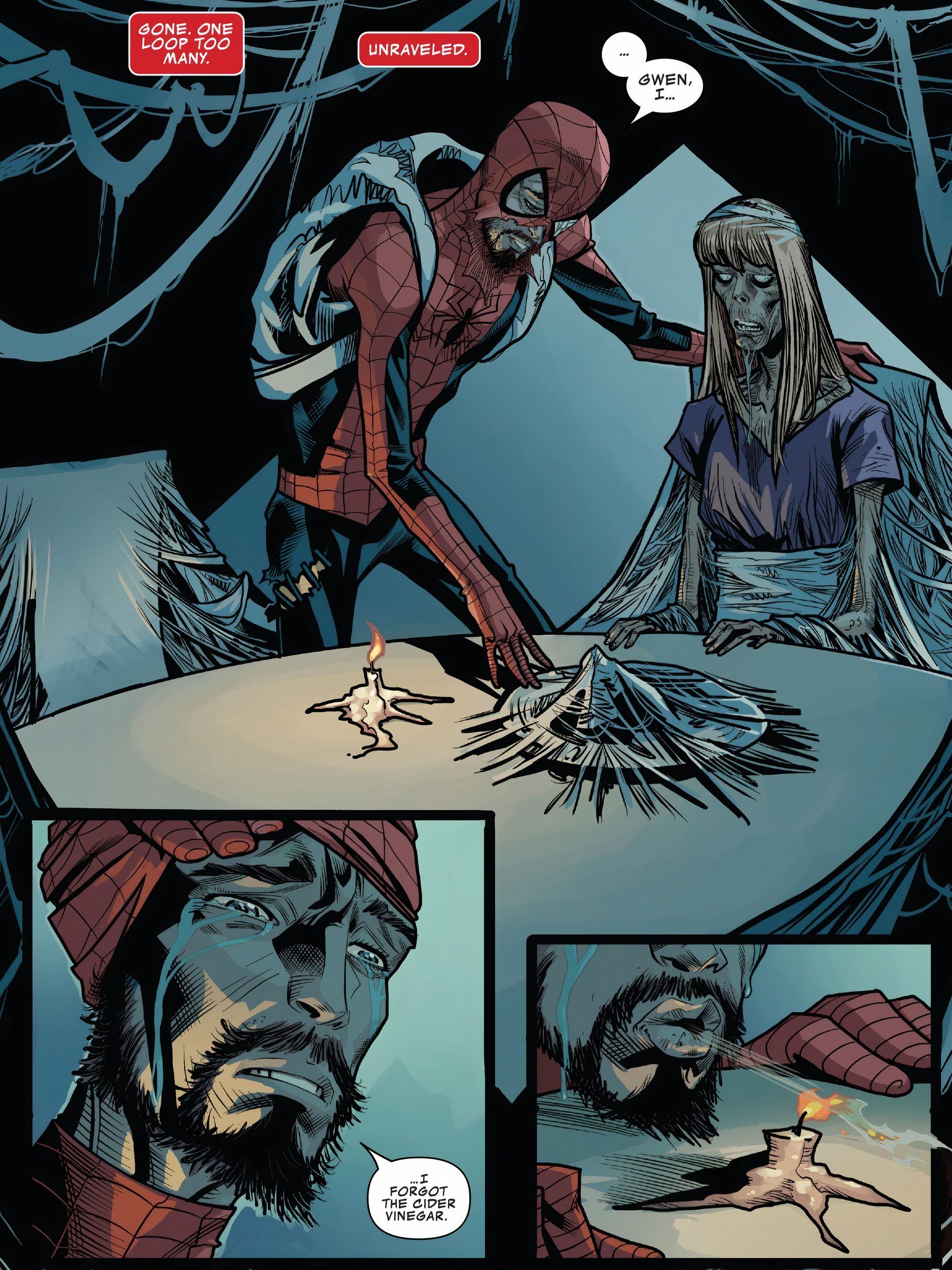
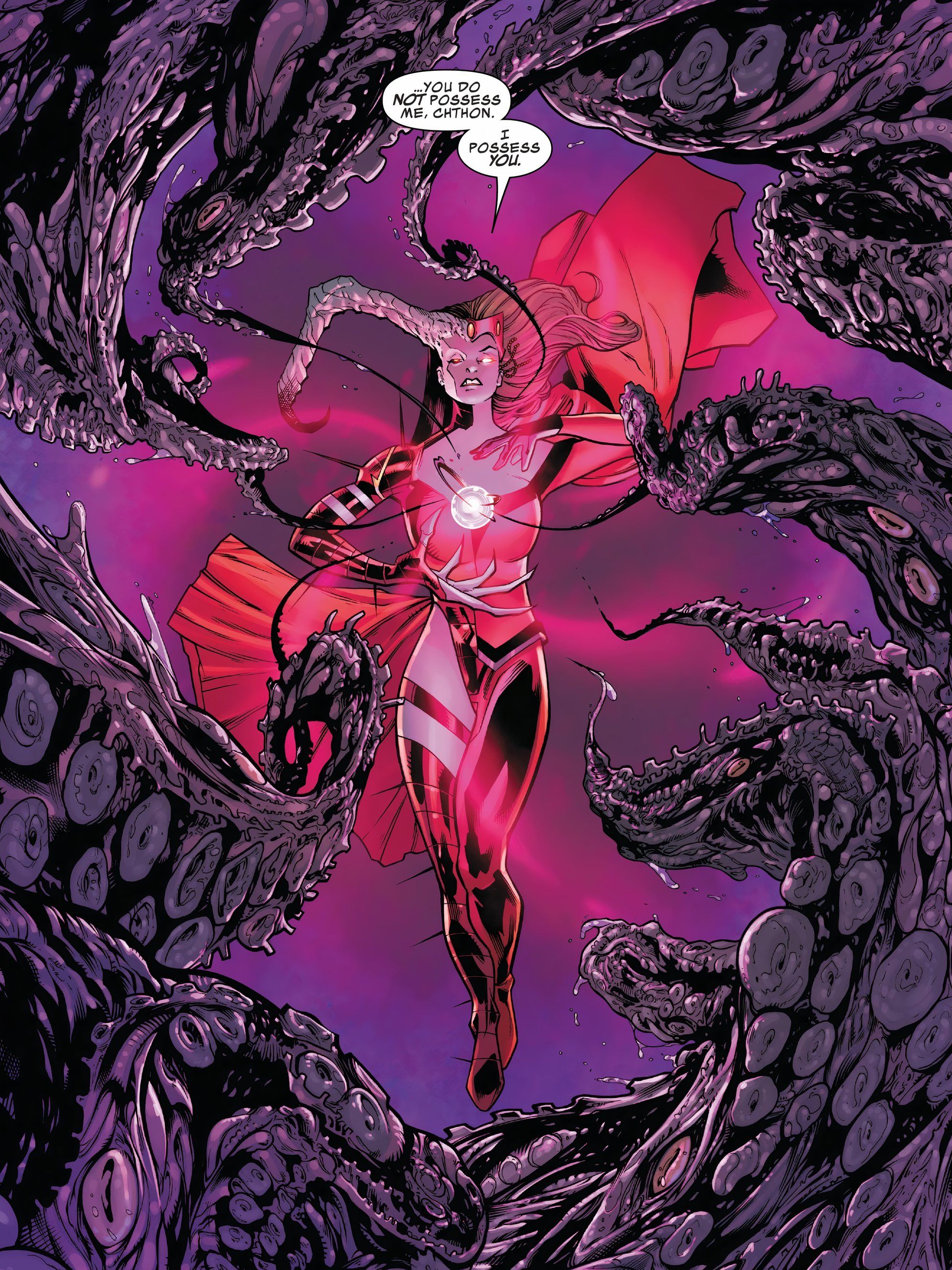
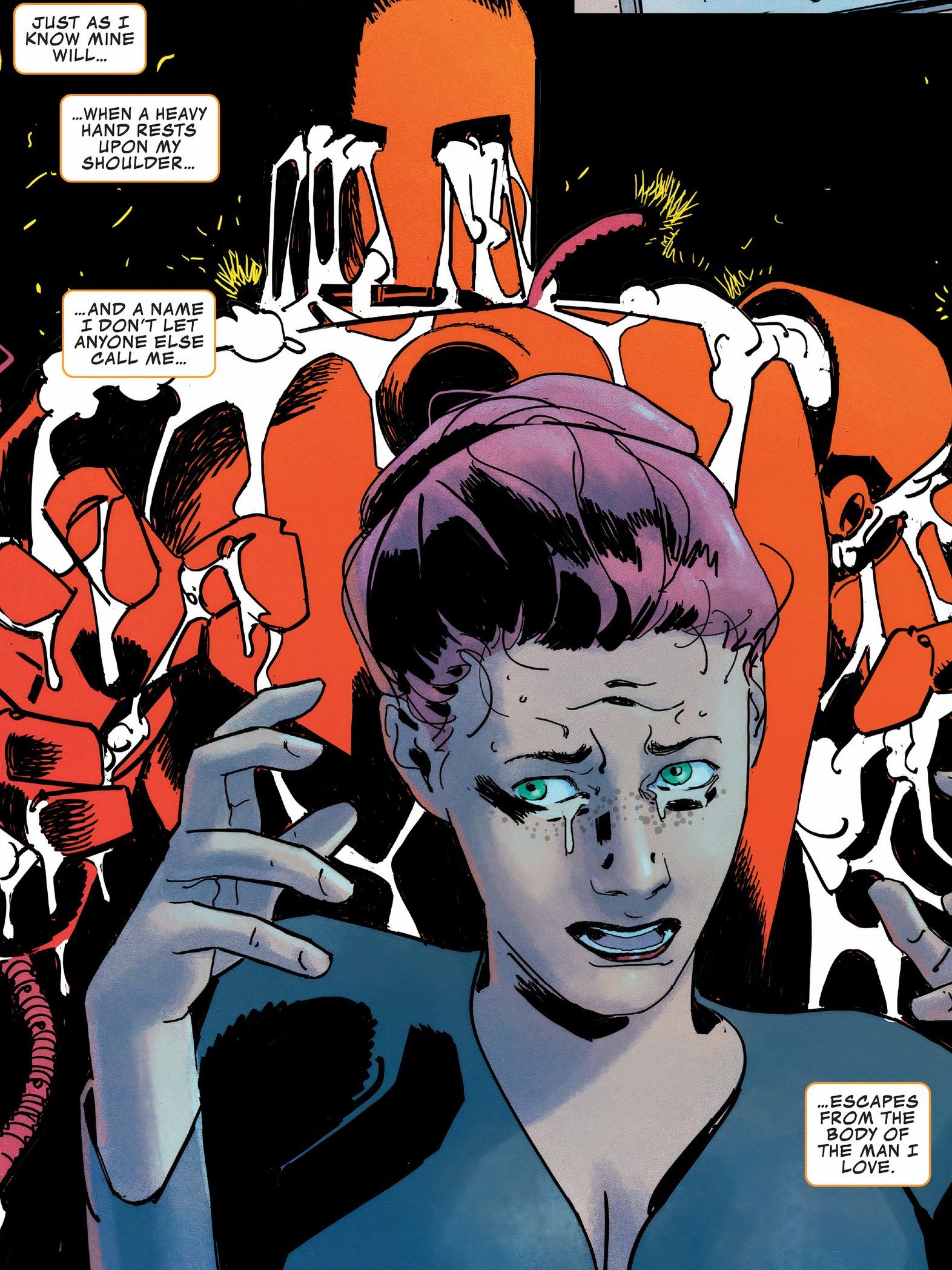
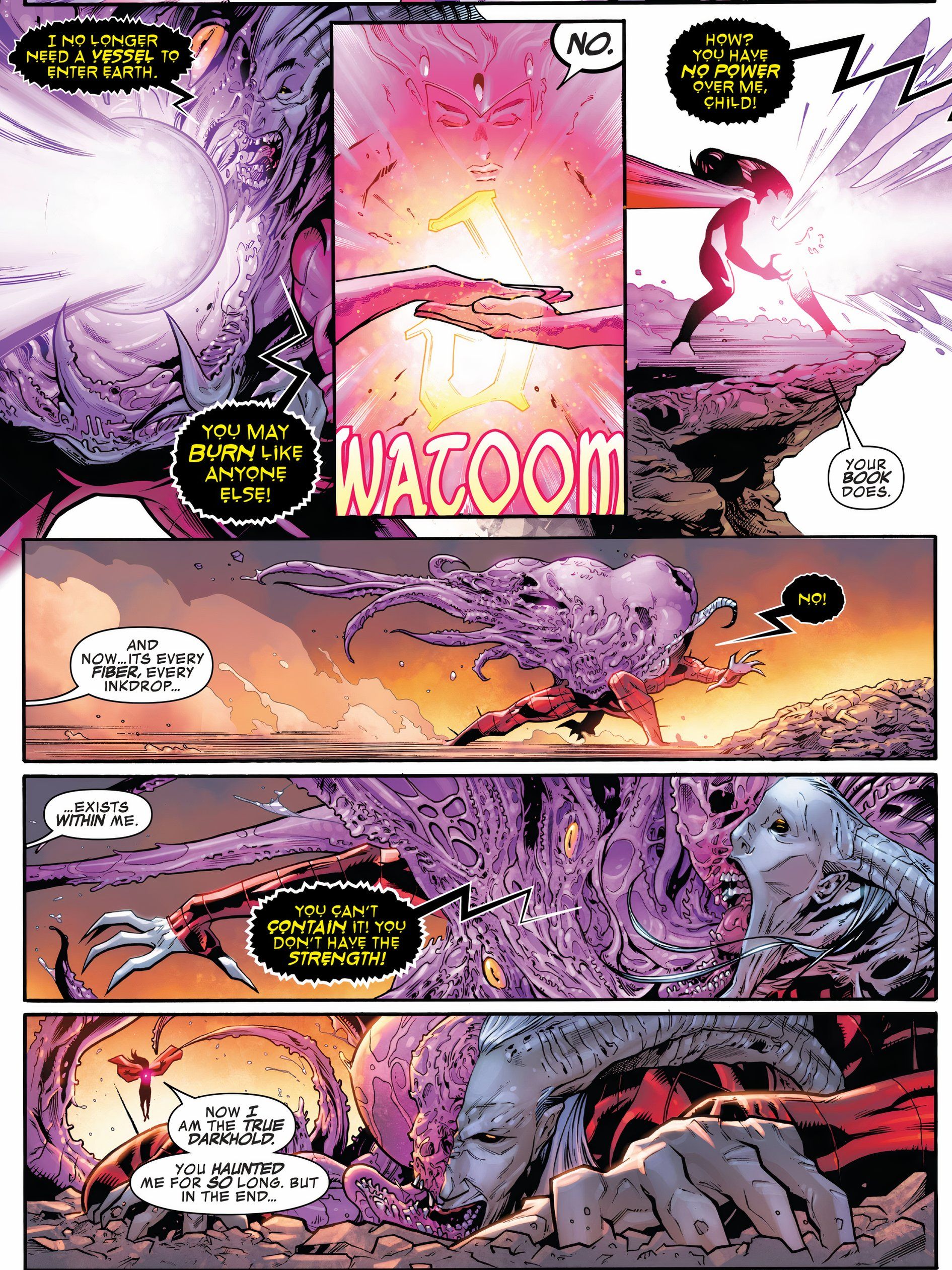
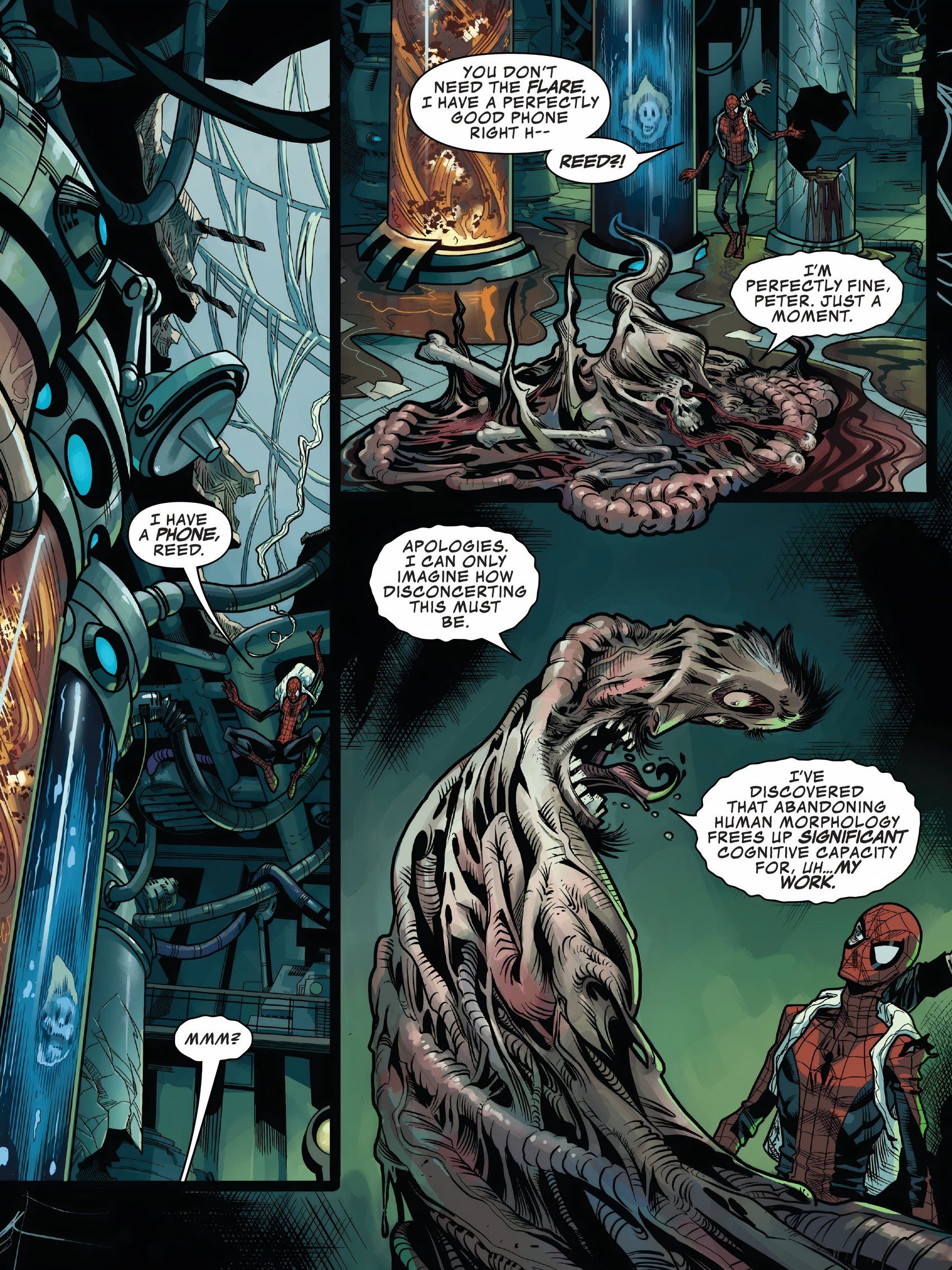
Whenever Marvel embraces connected anthologies, it always becomes a great opportunity to highlight various writers and artists while keeping the reader engaged with an overarching throughline. The Darkhold explores six stories split between six different styles and artforms. While not every issue maintains the same level of horror as the next, the overall collective gives enough to satisfy any type of Marvel horror fan. “Tales of Suspense,” by Ryan North, Guillermo Sanna, & Ian Herring, and “Tensile Strength” by Alex Paknadel, Diógenes Neves, and Jim Charalampidis, especially deliver an unsettling horror experience.
“Tales of Suspense” makes use of a 1960s retro-futuristic style of art that, while visually simple, stylistically accentuates the story’s slow build toward its shocking climax. Meanwhile, “Tensile Strength” employs more modern takes on zombie and body horror, that immediately establishes its grotesque tone. Overall, the entirety of The Darkhold provides readers with a soft array of what Marvel’s horror comics are capable of and is another piece of Marvel’s continuing promise to bring more terror into its comics.
9Ghost Rider: Road to Damnation
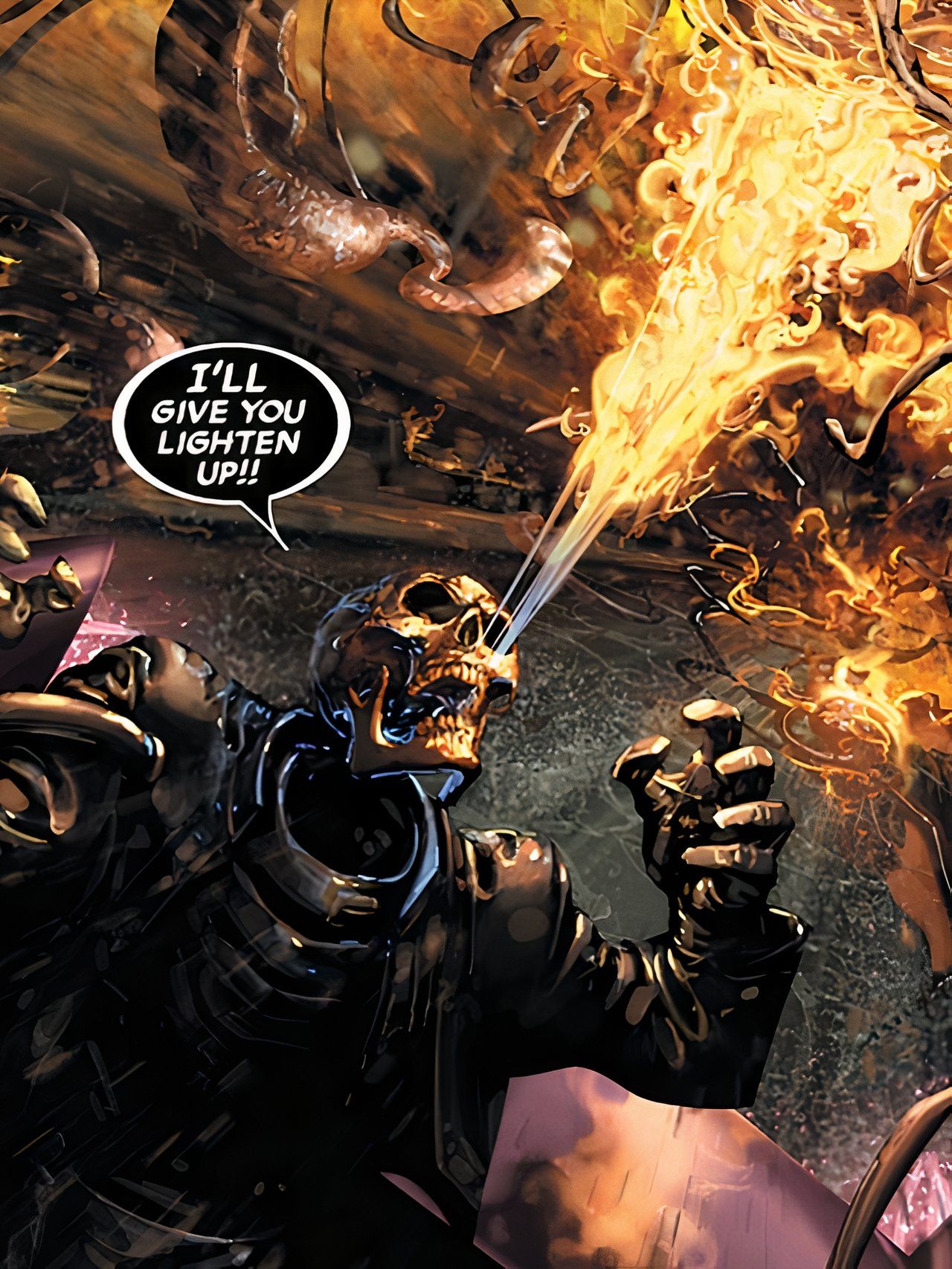
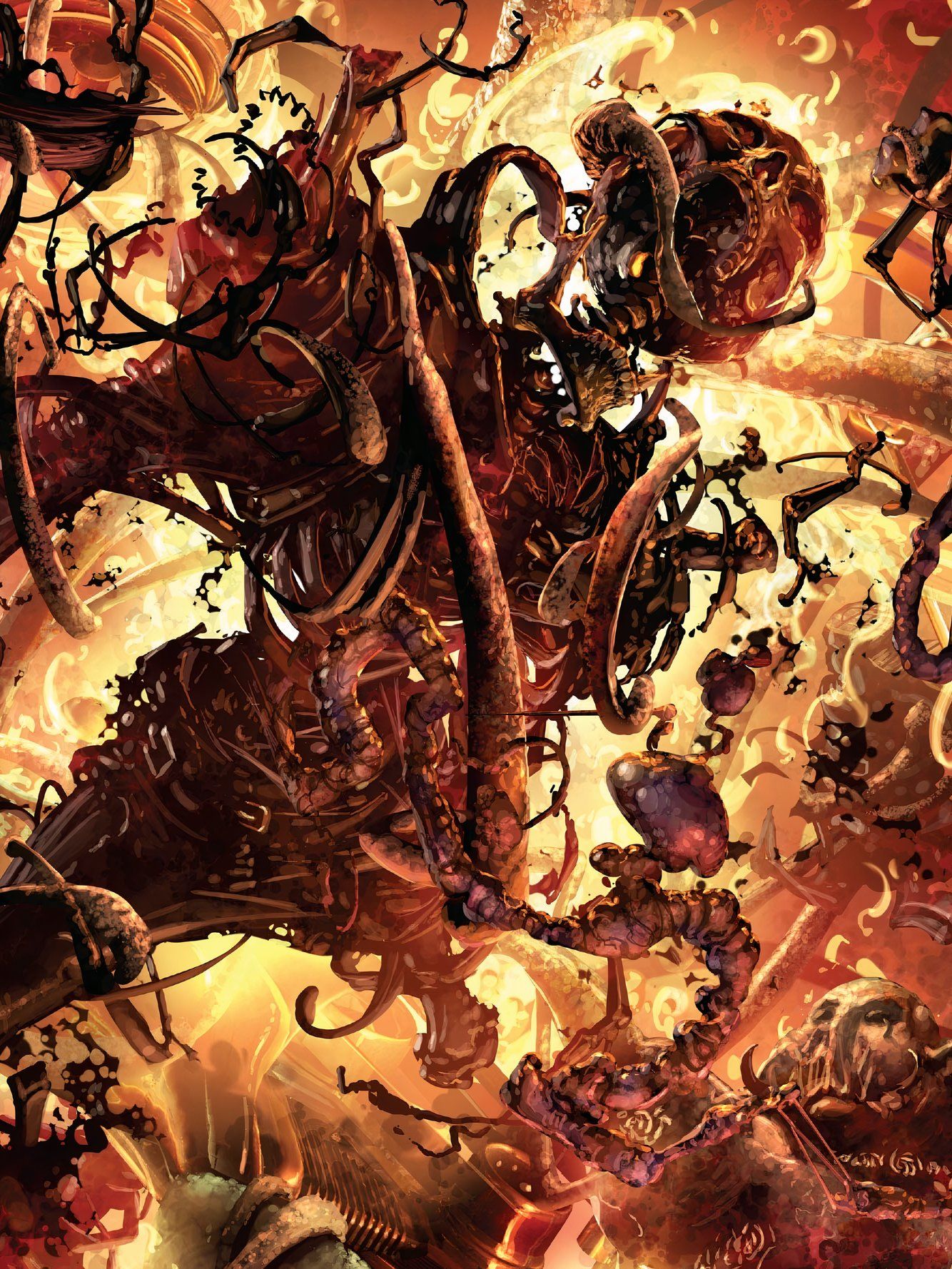
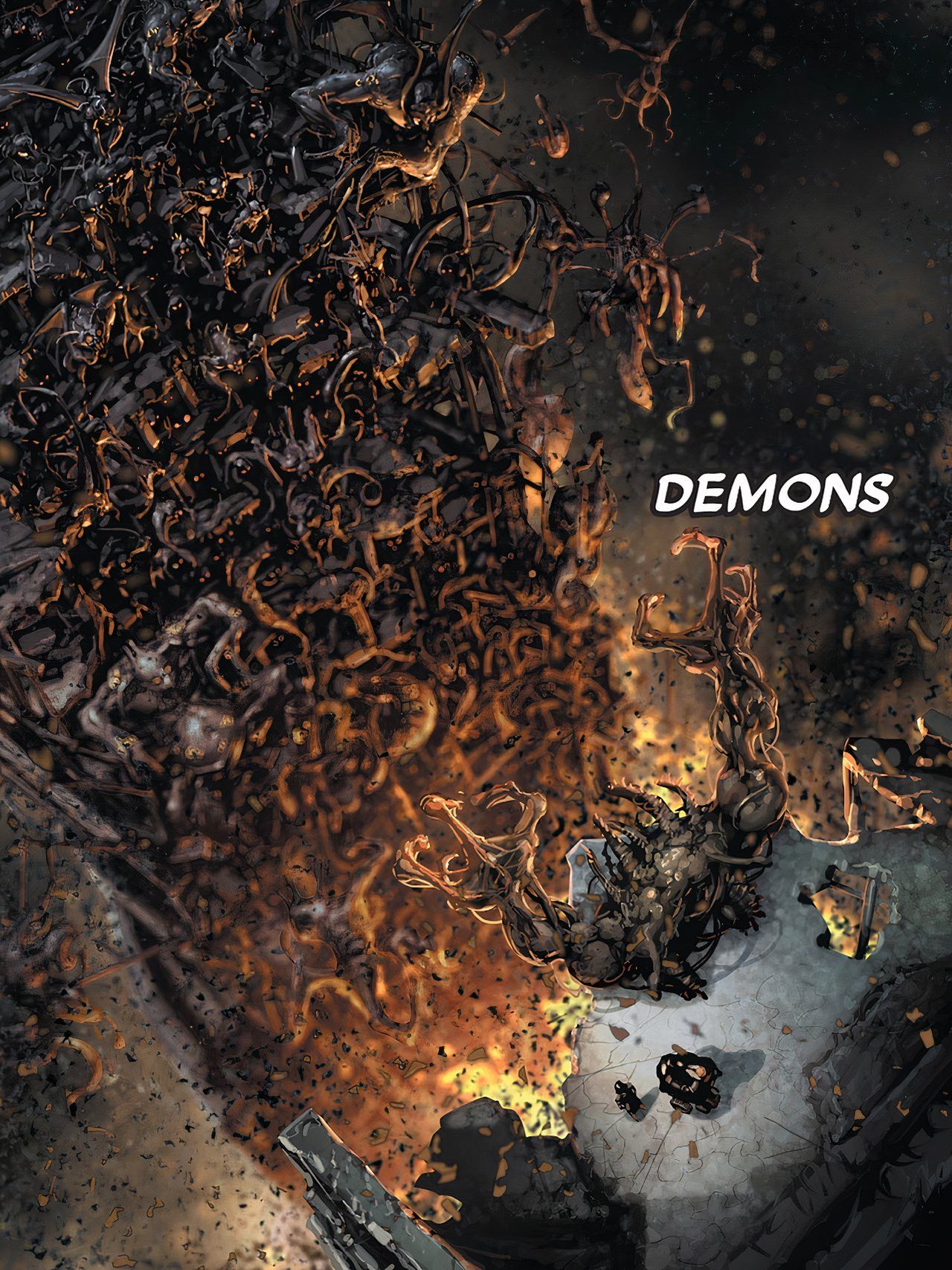
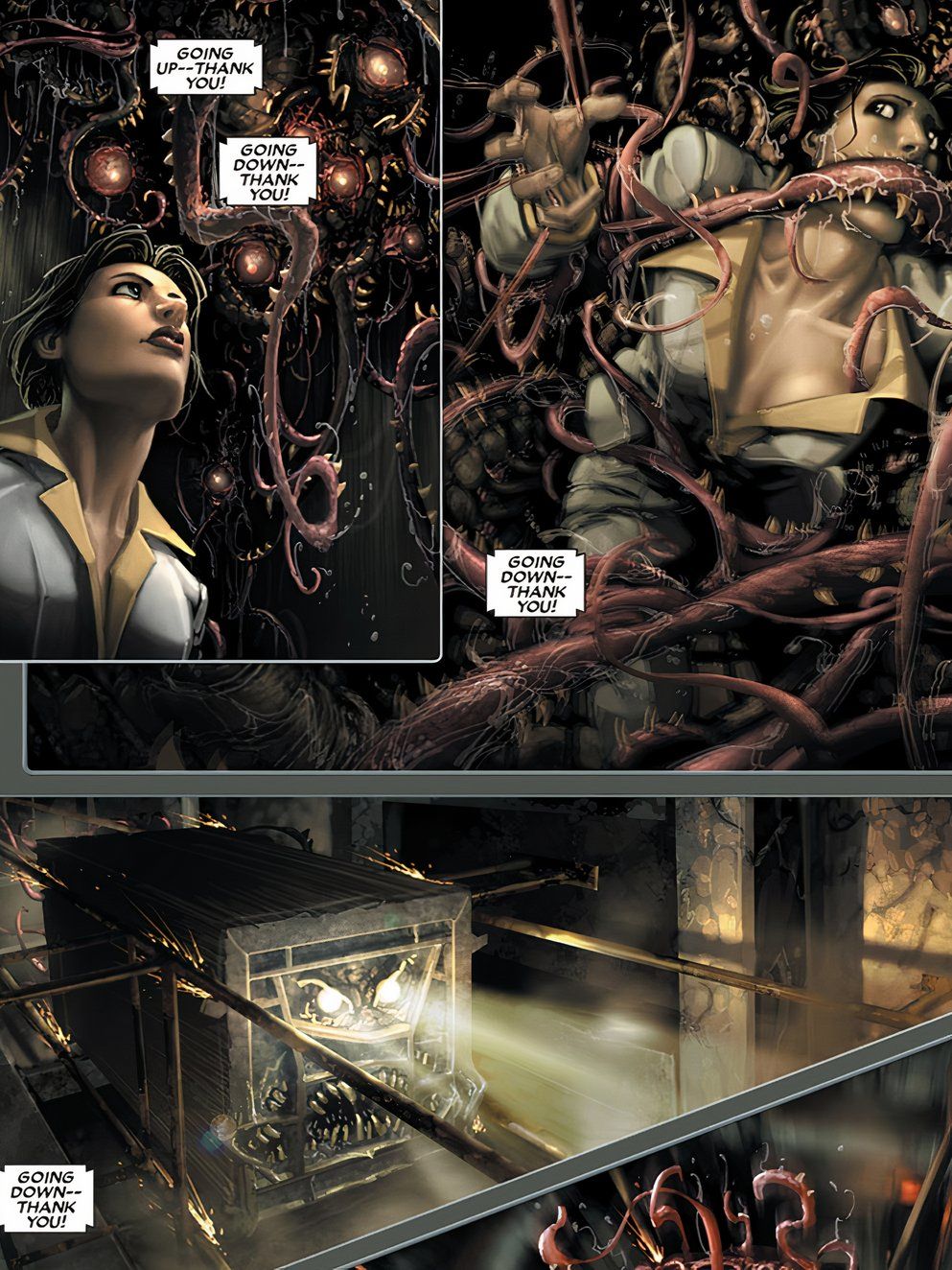
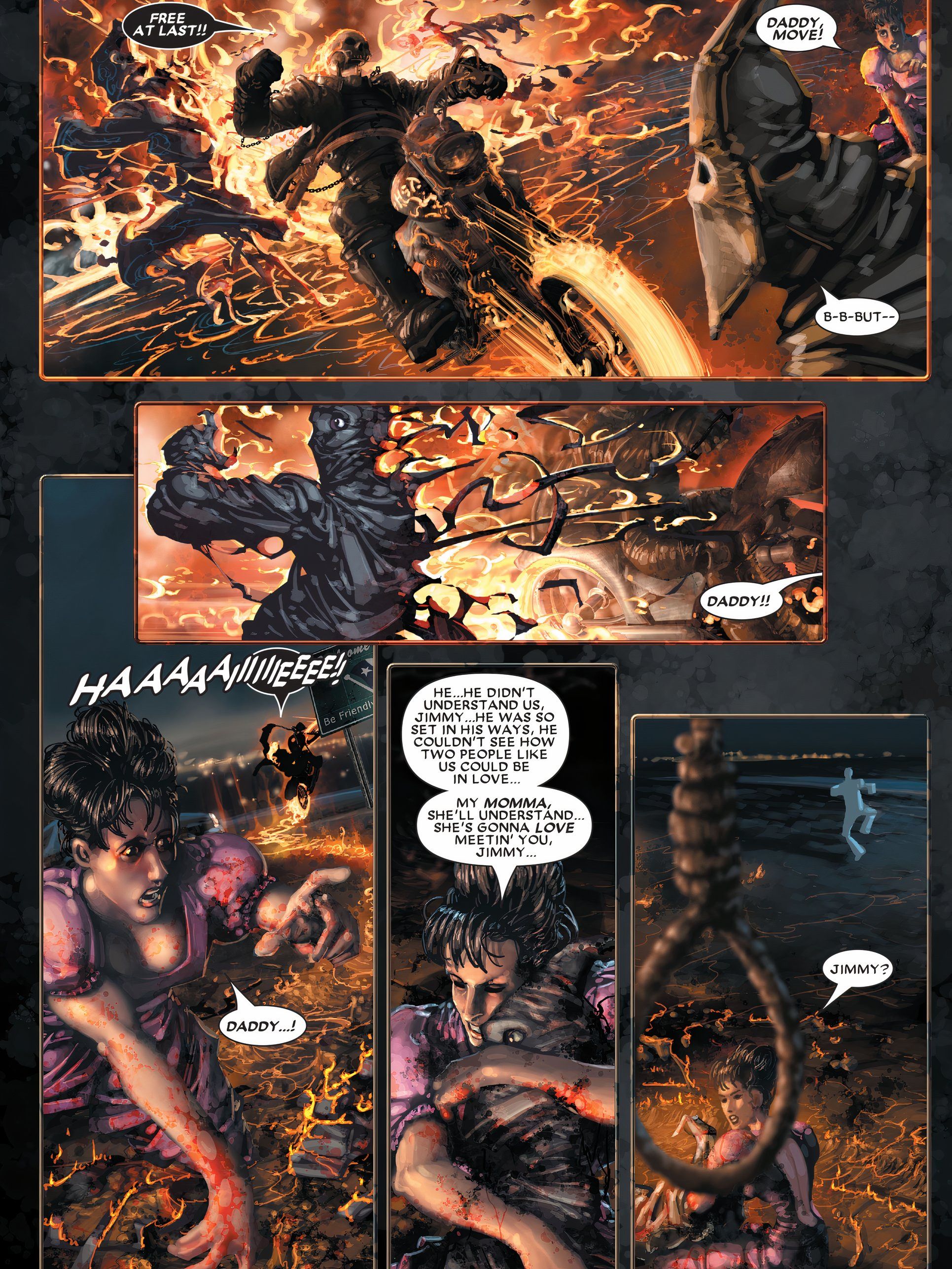
The Road to Damnation arc features some of Ghost Rider’s most overly saturated and headache-inducing artistic chaos that the character has ever seen; but it works. Another series that leans into the use of dynamic shading and ambient light, the comics are rich with dark shadows broken up the Ghost Rider’s constant flaming aura. The pictures almost feel 3D, making the on-page horrors feel actively present in the reader’s space.
Garth Ennis’s writing helps establish a crueler environment than is normally used in Ghost Rider stories, but Clayton Crain’s art and coloring are what make the series stand out. It cannot be understated how realistic, yet horrifically uncanny, Crain’s work makes the comics. Embracing significantly bolder adult tones, both in its writing and its art, the 2006 Ghost Rider series almost stands as its own independent piece of art, separate from Marvel’s other works. Similar to MAX Comics, the Marvel Knights imprints pulled many of Marvel’s heroes toward darker and “edgier” directions, but this Ghost Rider series was completely unafraid to push the bounds of Marvel’s allowance of unsettling adult horror.
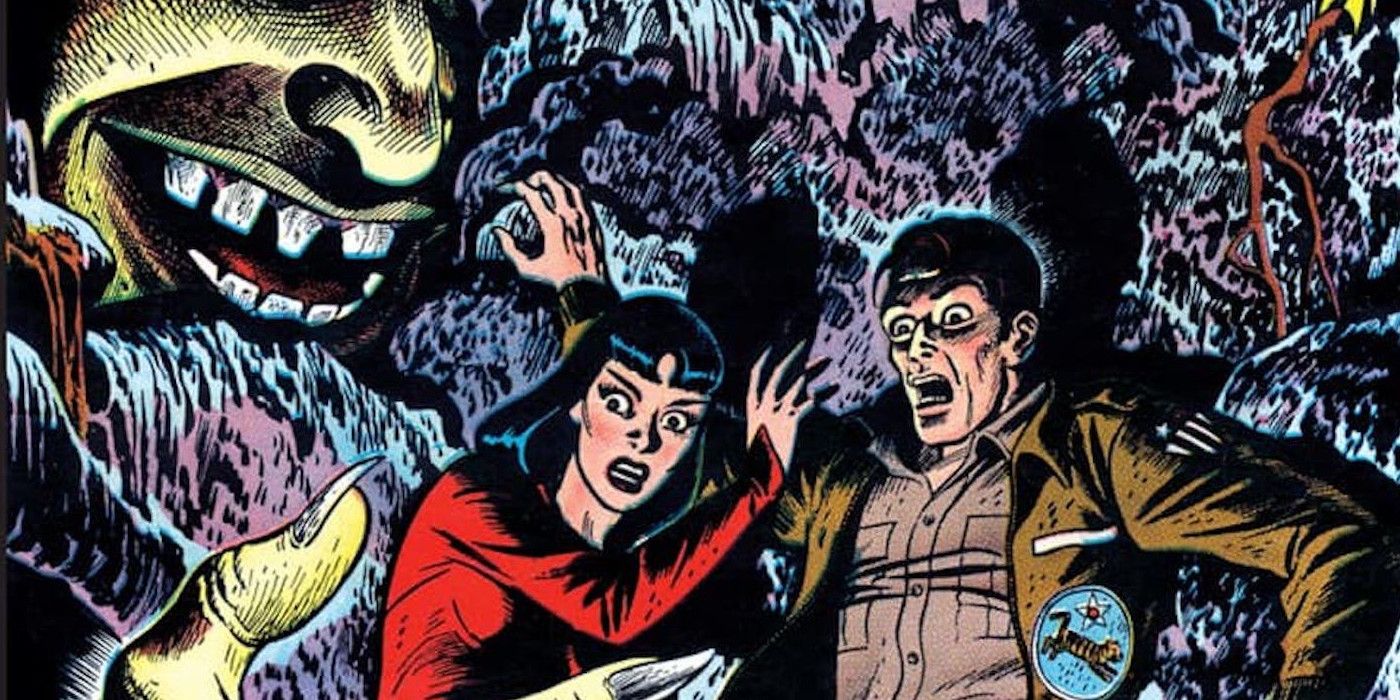
Marvel’s Early Horror Returns To Print in ADVENTURES INTO TERROR (Exclusive Preview)
Fantagraphics is bringing back Marvel’s early horror comics in the new Adventures Into Terror, and ScreenRant is pleased to bring fans a first look.
10Sub-Mariner
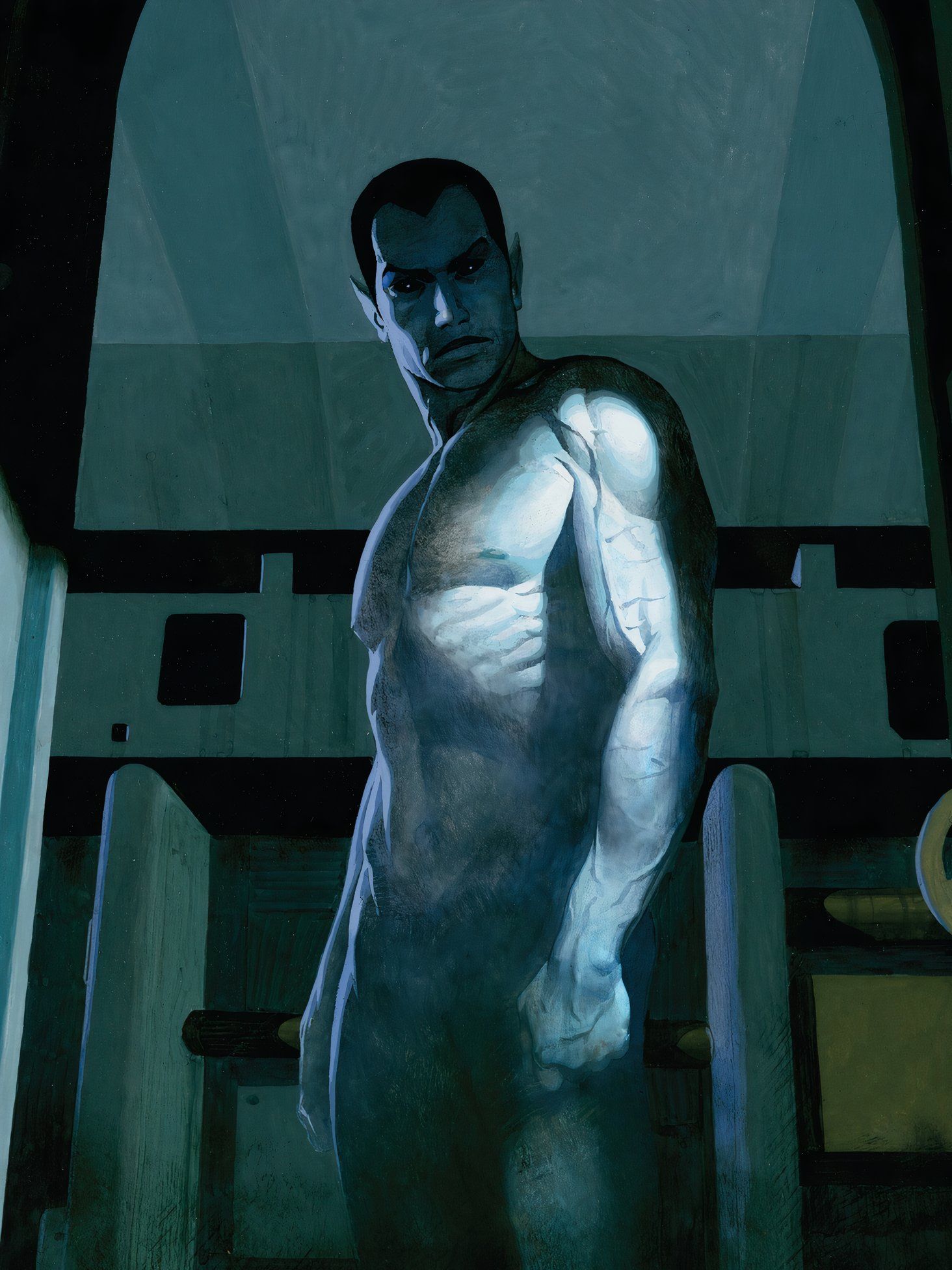
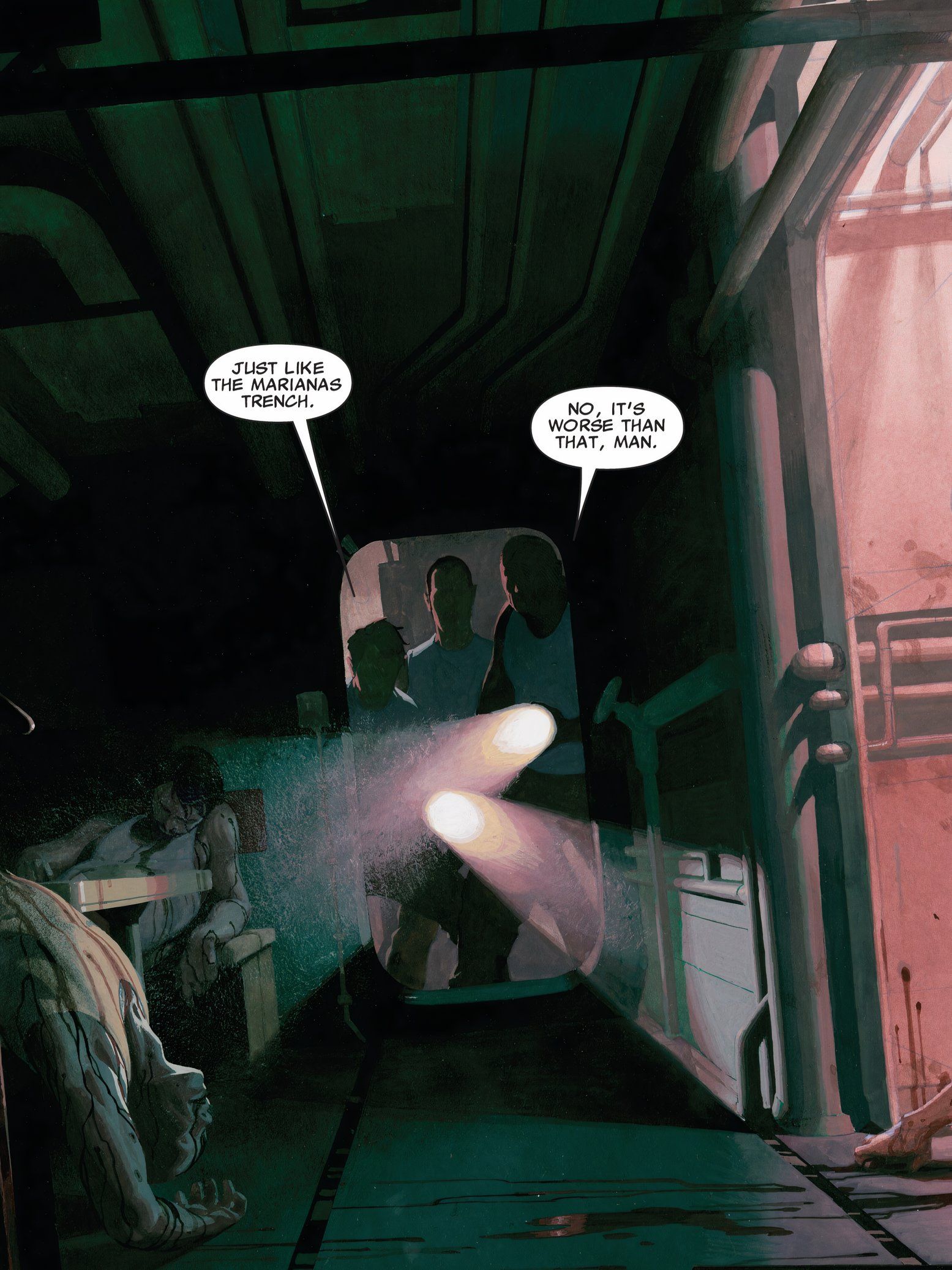
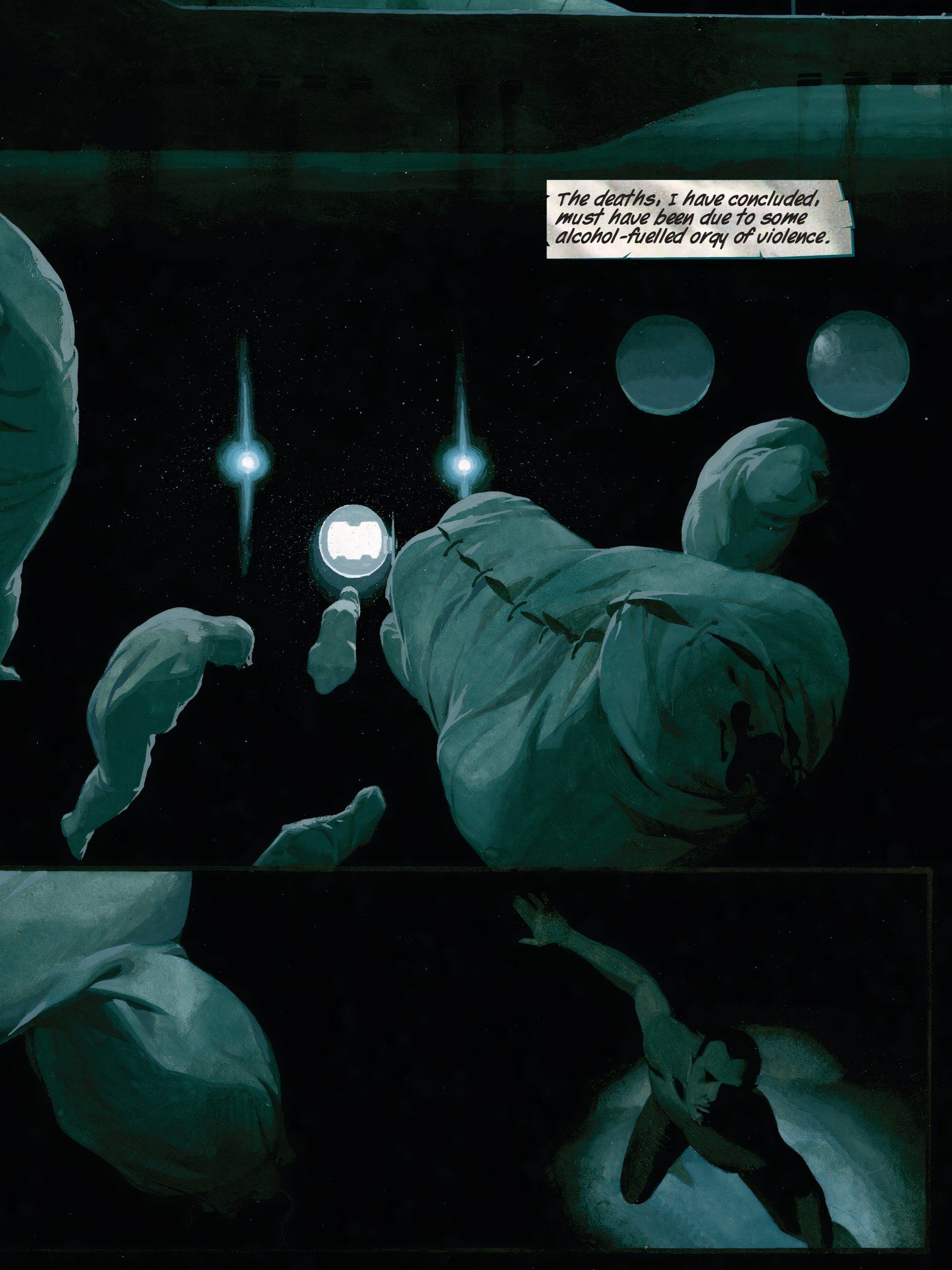
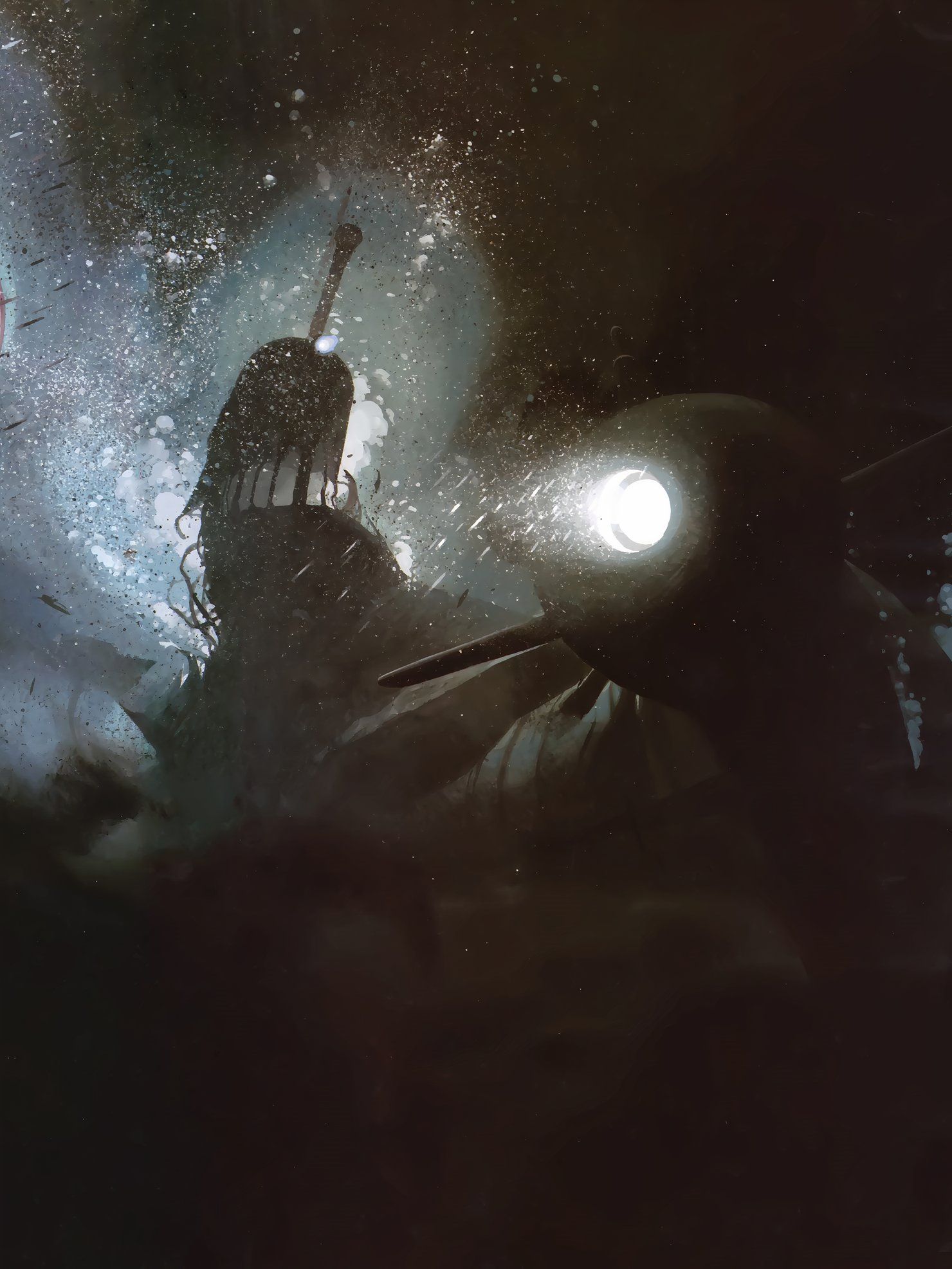
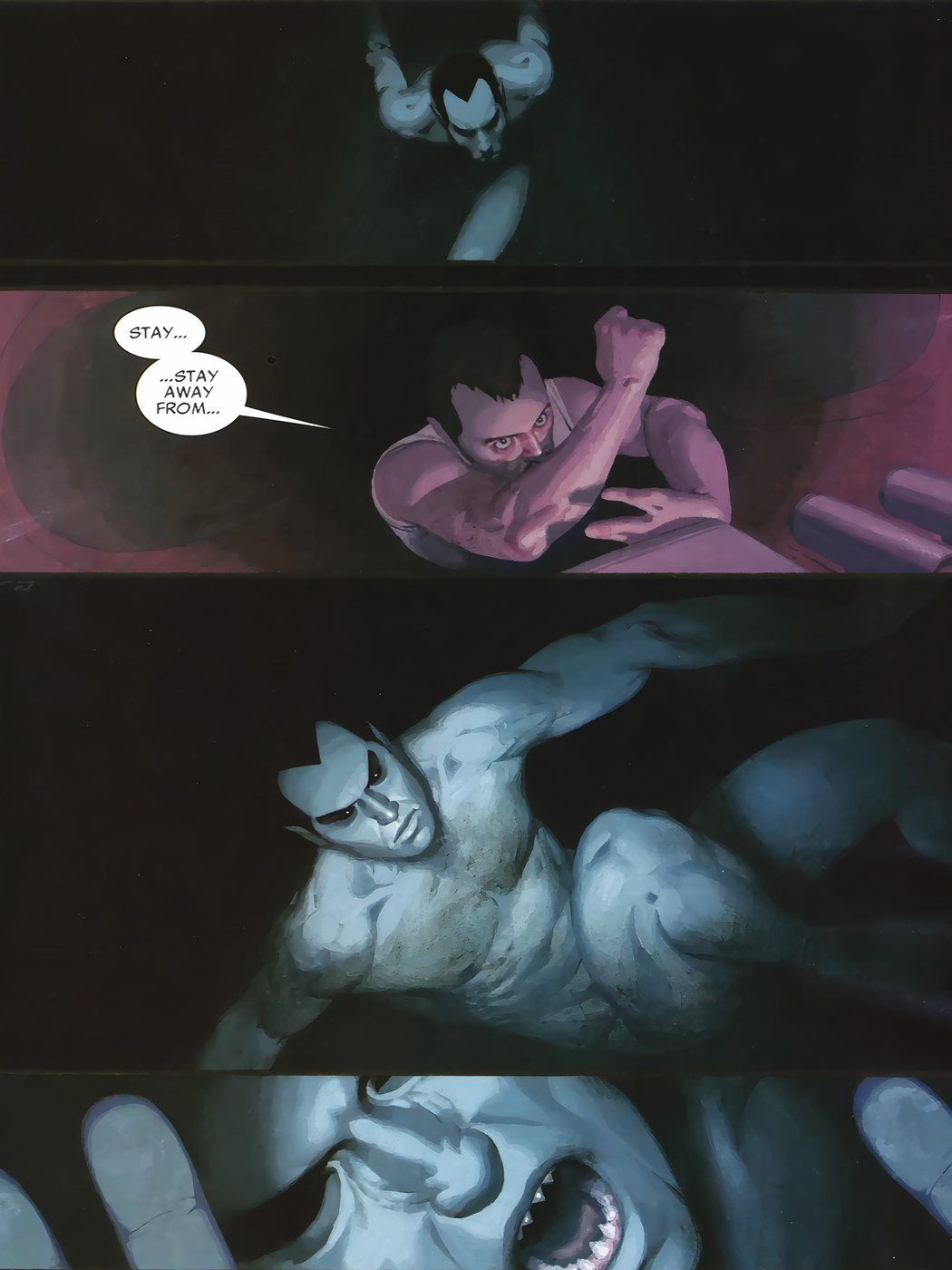
One of Marvel’s most stylistically distinct series to date, Sub-Mariner: The Depths, by Peter Milligan and Esad Ribić, is another addition to the Marvel Knights imprints. By far, this series is Marvel’s most uncanny and unsettling visual experience to date. Uniquely leaning into the same stylistic direction as the Alien franchise or 2020’s Underwater, this series places readers in a compact, isolated environment, far from any sense of humanity. Trapped underneath miles of water, a team of submariners fight for survival while being hunted by the demon of the deep, Namor.
Despite being the focal topic of the series, this abnormally emotionless version of Namor is rarely seen. Instead, the true horror is built into the anxiety represented in the compact nature of the characters’ environment and the fear that gradually builds throughout each issue. Esad Ribić does a fantastic job at placing readers into the claustrophobic confines the submariners are trapped in, especially in his simple use of darkness as a means to perpetuate the series’ feeling of panicked isolation. When Namor finally does show up , his horror is more the product of anxious tension than it is through outright spectacle.
Credit: screenrant