
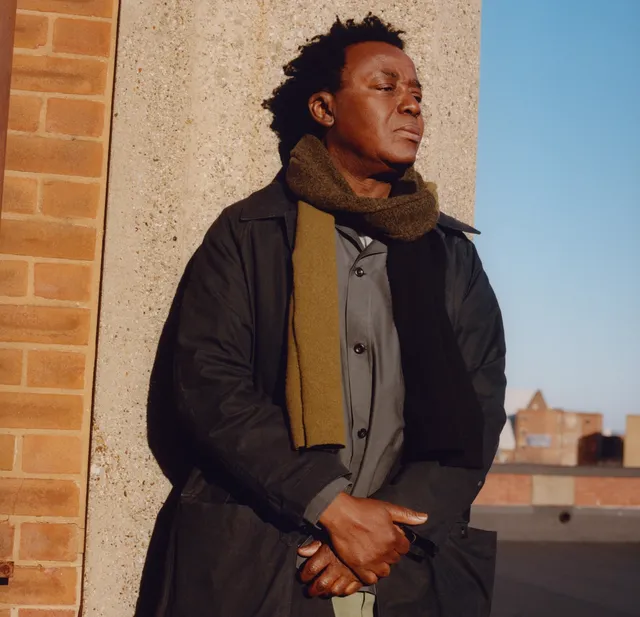
John Akomfrah is known for his dramatic, richly layered multiscreen video installations that use archive material and newly shot footage to challenge the conventions of film-making, and explore issues including racial injustice, colonialist legacies, migration and climate change. Based in London since childhood, Akomfrah first gained recognition making experimental documentary films as part of the influential Black Audio Film Collective, which he co-founded in 1982; and he still works collaboratively today. In 2019 he participated in the inaugural Ghana pavilion at the Venice Biennale and last year he received a knighthood for services to the arts. For the British pavilion, commissioned by the British Council, he has made eight interconnected screen, sound and time-based works under the collective title of Listening All Night to the Rain.
How do you feel about representing Britain at the Venice Biennale?


When I was first told, I was absolutely thrilled. And then what followed was panic, because I’ve been going to Venice for decades and I’ve seen quite a few British pavilions and I thought, “Jesus, what more can I add to this?”. Then it dawned on me that the point about having all that insight and experience and knowledge is to have a conversation with that history, with the things I’ve seen and admired, and to have a total conversation with the pavilion.


Occupying the pavilion is inevitably intertwined with ideas around nationalism. Has this played into your new work?
The business of a national identity and who will it include and exclude has been an ongoing concern [of mine] and this work is not any different. But I’ve never been interested in bashing or pointing fingers, that was never the aim of any of the projects. They were about reflections on the national past and where things were uncomfortable you tried to mention them, because without doing so, people like me can’t feel part of it. You need to create the pathway through the national space for yourself, to be able to feel comfortable walking through it, with it, and in it.
So I’m still preoccupied with the mainstays: what are the histories, the questions, the narratives—ecological, political and philosophical—that need addressing at this moment in our evolution? I’m still trying very much to connect the earlier questions that I was interested in—race and ethnicity and national identity—and then to see how they in turn intersect with other questions, ecological or otherwise. This work is another step in that direction, another attempt to clarify what the point of these intersections is.
You’ve said that each piece you make expands on aspects of the work that preceded it. Your last major work, Arcadia (2023) reflected on the Columbian Exchange: the transfer of plants, animals, commodities, populations, technologies and diseases between the New World and the Old World from the 15th century onwards. Are there elements from Arcadia that you are exploring further in Venice?
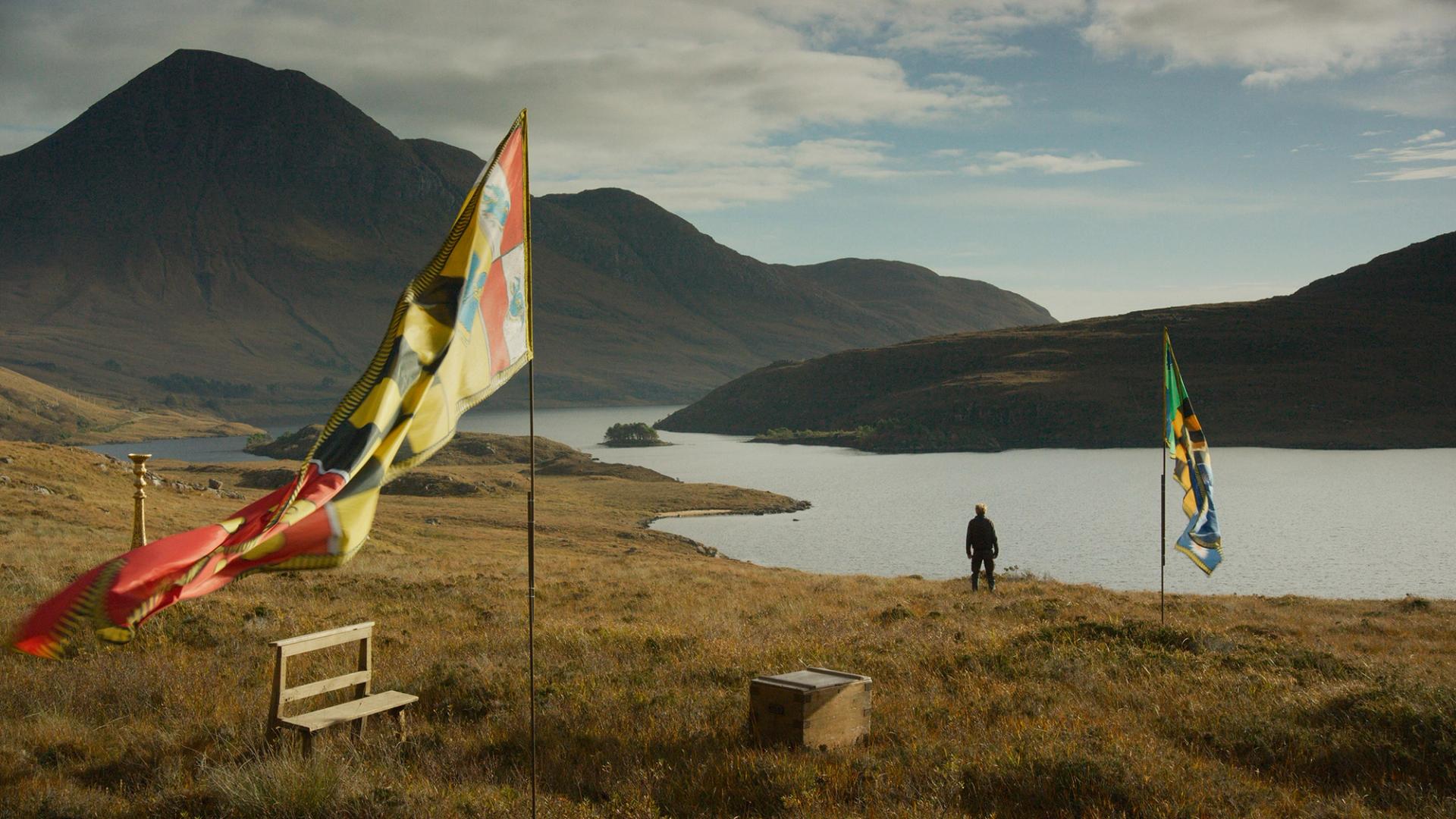
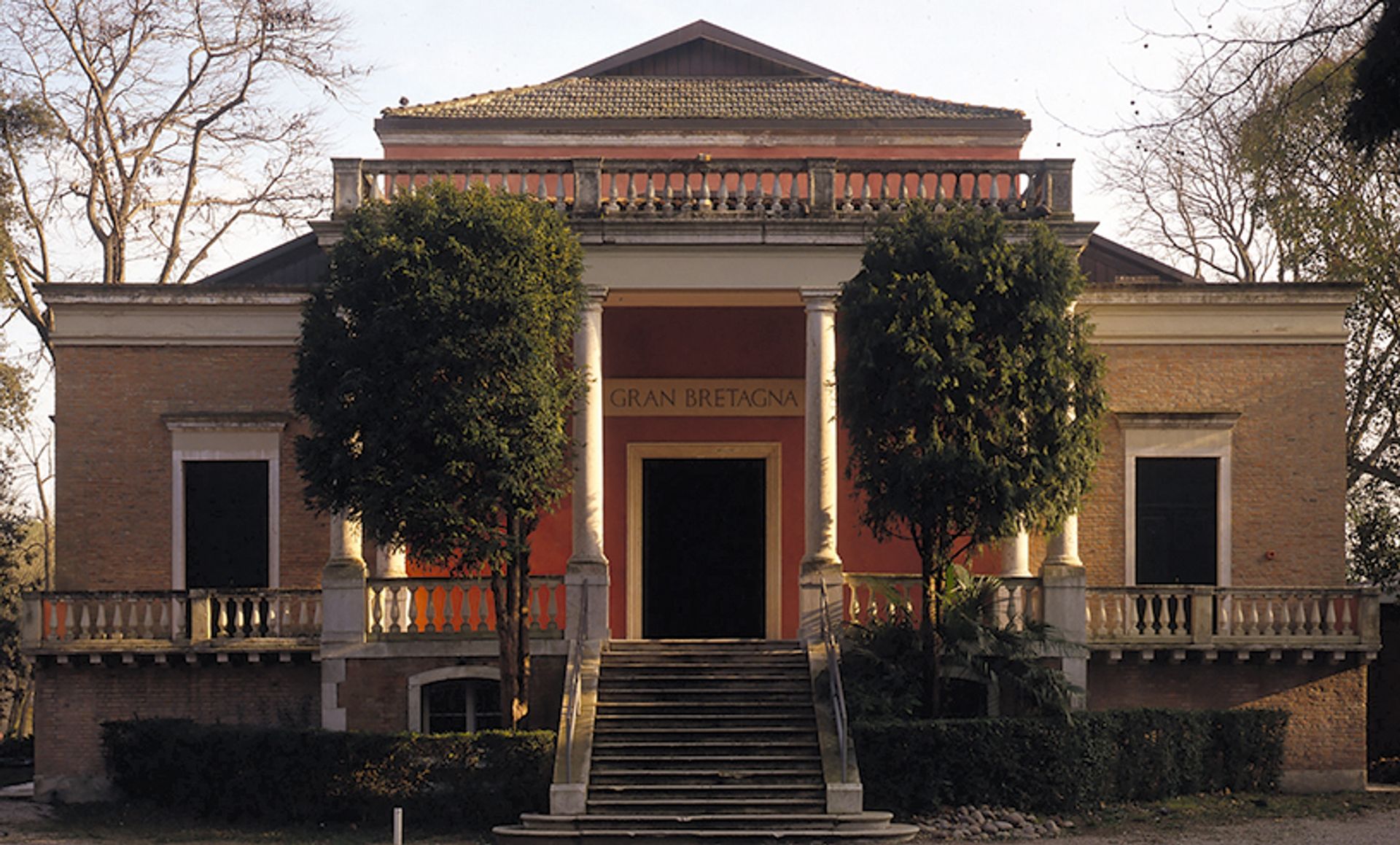
There are lingering questions that snake their way through all the works. But in Venice there are also very specific questions that arise. The business of the winds, what winds do and what both metaphorically and literally is carried on the wind, is what I am obsessed with in this project. And that’s very much connected with Arcadia and the whole Columbian Exchange. This time we aren’t in the 15th, 16th or 17th centuries, but there are historical dimensions. This new set of interconnected works seeks to somehow insinuate itself into every crevice of the [British] Venice pavilion. It is concerned with histories and with questions of identity, but crucially it is concerned with memory: mine and others’.
What’s the thinking behind the title, Listening All Night to the Rain?
The two operative words are “listening” and “rain” and they both feature prominently. They are the cohesive agents for all the pieces. I don’t very often do stuff about poetry—even though I read poetry more than just about anything else—but the title is a phrase from a poem by an 11th-century Chinese poet called Su Shi, also known as Su Dongpo, whose work I love.
Venice is a location that encapsulates so many of your concerns—from its long history as a trading centre to the fact that it is incredibly sensitive to climate change. Has this context fed into the work?
Venice is very much the unseen guest in every one of the chapters in these works: it is the silent partner. And for all the reasons you mention: its centrality as part of the expansion of the mercantile capital world in the 15th and 16th centuries, and of course because the pavilion is there! A fascination with what one would call the “aquatic sublime” is one of the lingering connections that connects the work both to contemporary as well as to historical places.
You’ve described your personal aesthetic as “bricolage”, the combining of different elements that come to hand.
At the beginning of working on this piece I went straight to one of the figures who’s shaped profoundly the way in which I think about working, and that was Kurt Schwitters. I haven’t referenced him directly but Schwitters is a very big influence on the pieces in Venice. Some of the ethical and aesthetic things I picked up from that early art history initiation were to do with how the new comes into being. I believe that somehow the collision of different, non-related elements generates propulsion and fusion. It just animates things a lot more. This insight has become both a mantra and a credo, because it is not just an aesthetic approach but also an ethical one. It’s about how things co-exist and how you get things—and that includes narratives and people—to live together. It’s really about cherishing difference and trying to give difference, in the broadest sense of the term, a role and a value in one’s work.